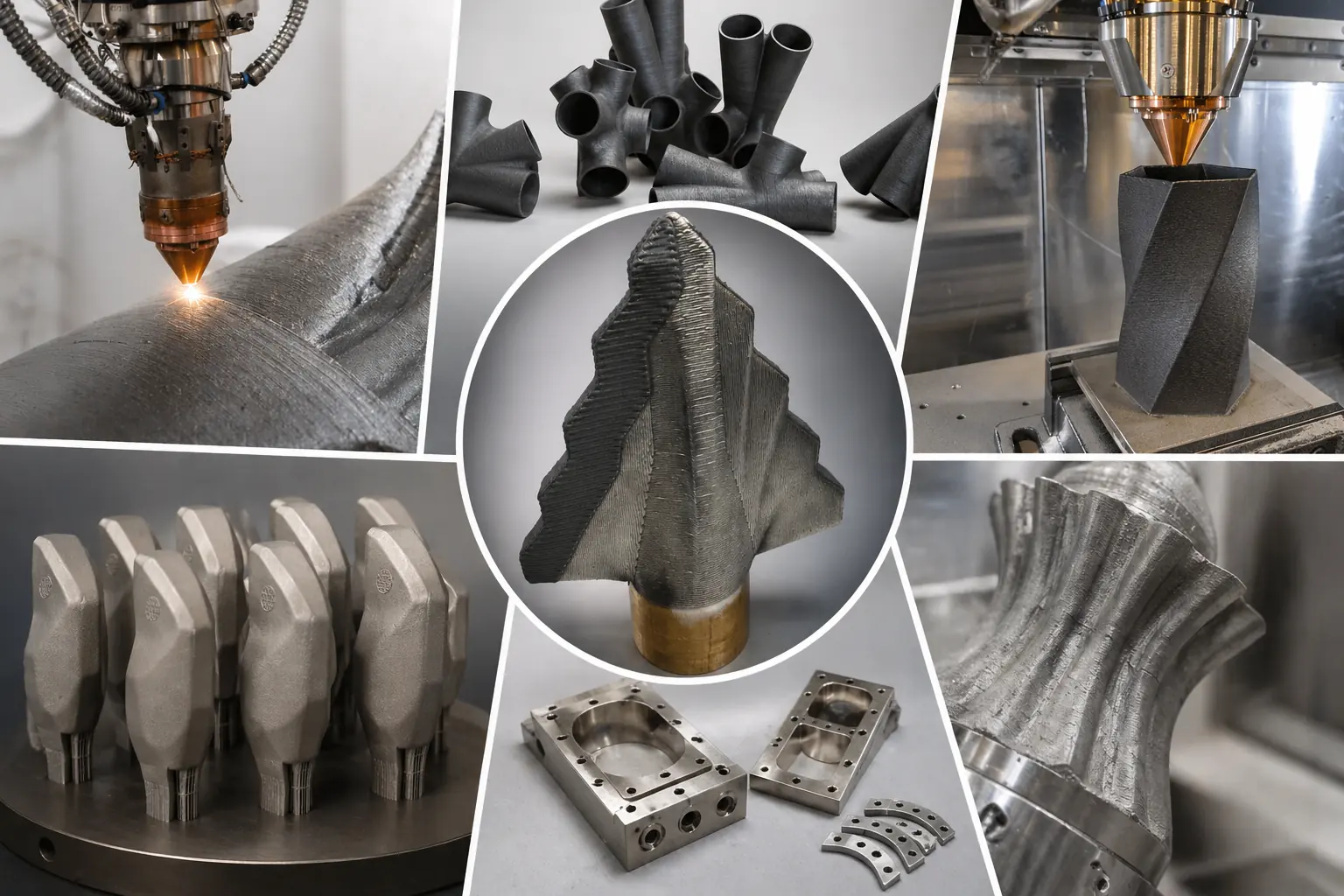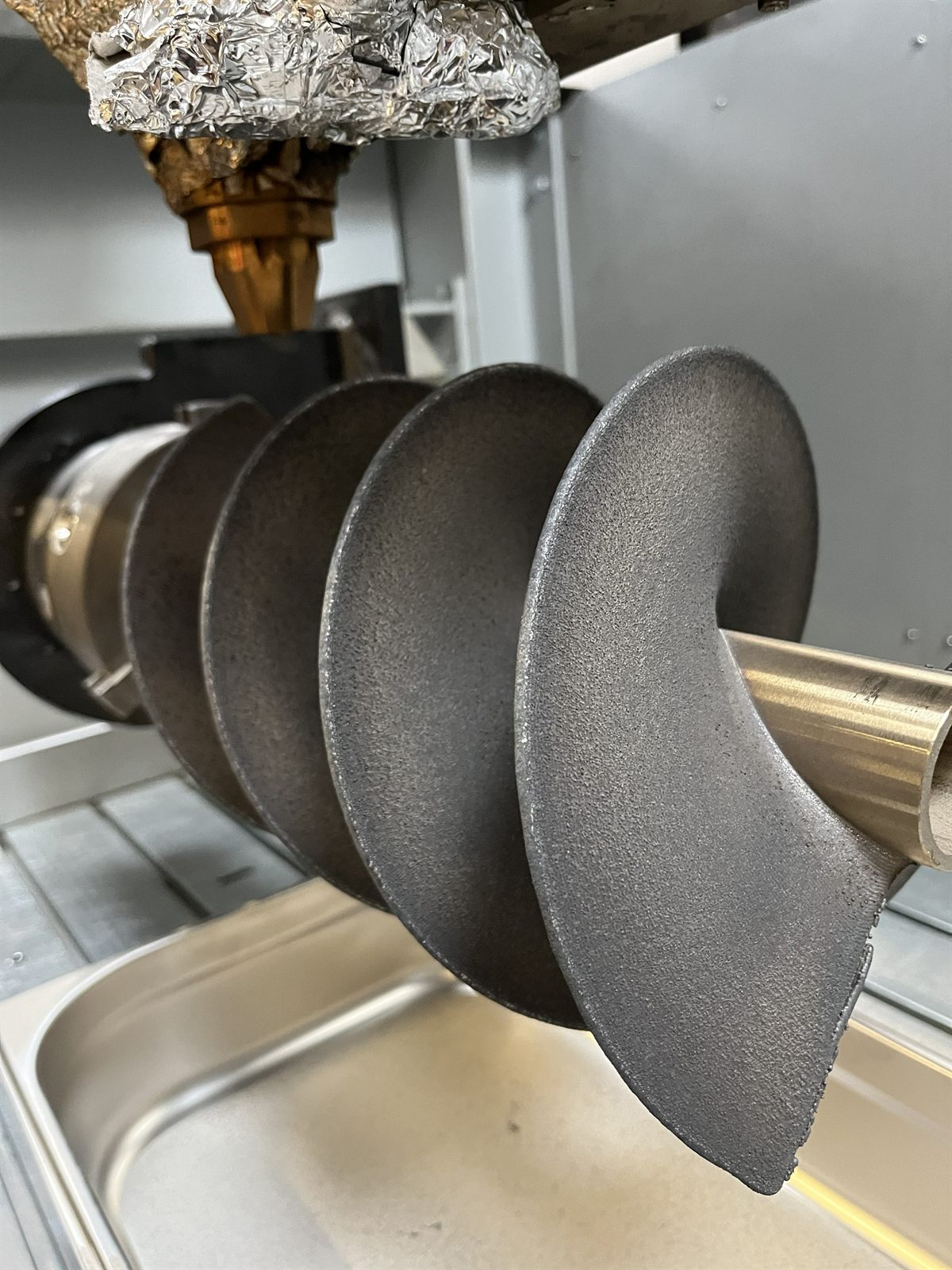
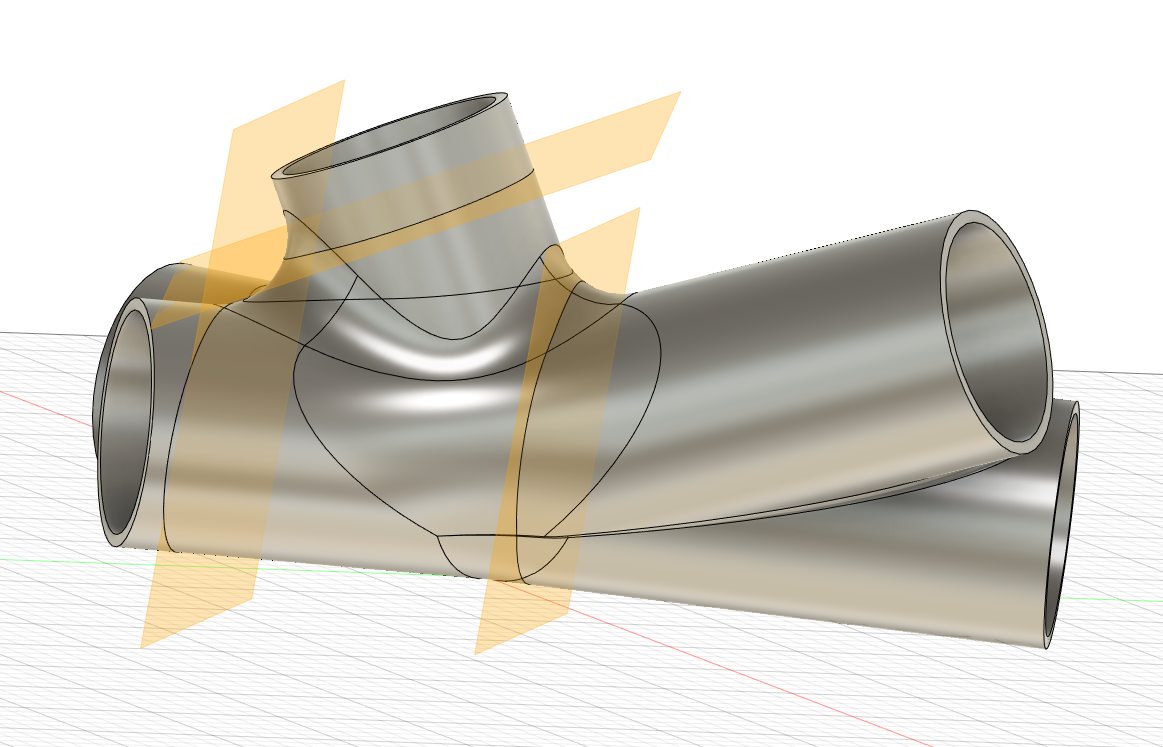
The Duisburg bridge node work shows that design for additive manufacturing is not only about printing a CAD file. Geometry often has to be adapted before LMD can build it reliably, especially when walls, transitions, overhangs, access and inspection all matter.
Case snapshot
| Component family | Architectural / structural node geometry for large-format additive manufacturing |
|---|---|
| Main issue | Not every design is directly printable or inspectable without manufacturing review |
| Route | DfAM review, geometry adaptation, wall and transition strategy, process planning and validation support |
| Related expertise | Exafuse focuses on metal AM and large-format additive manufacturability thinking. |
Why the design had to be reviewed
Large AM parts usually need a manufacturability pass before production. A beautiful design can still create problems if wall thickness, local overhangs, heat build-up, access, path continuity or later inspection are not considered. Exafuse helps translate intent into geometry that can be discussed for LMD, SLM or a hybrid route.
Manufacturability support route
- Review CAD and the functional design intent.
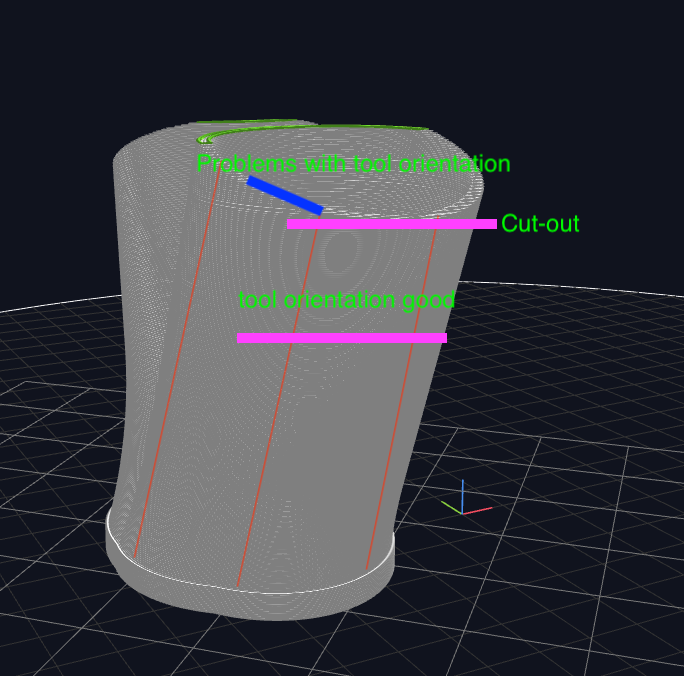
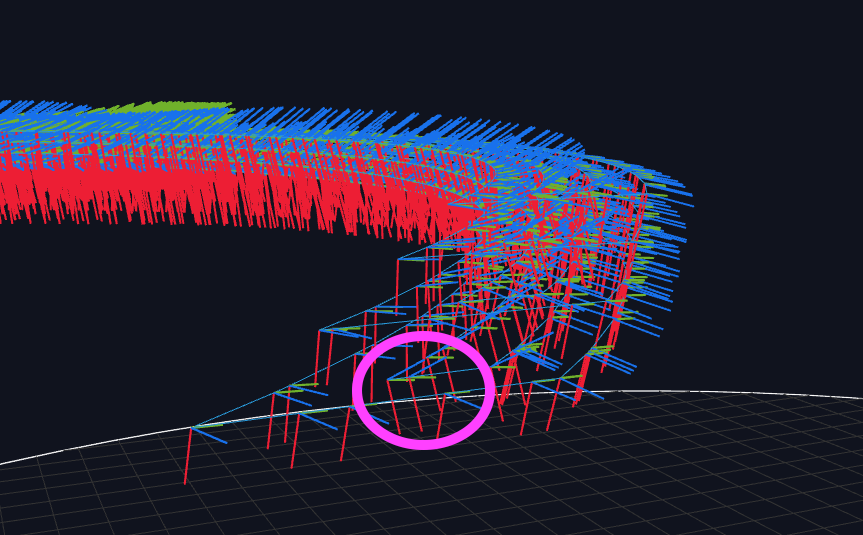
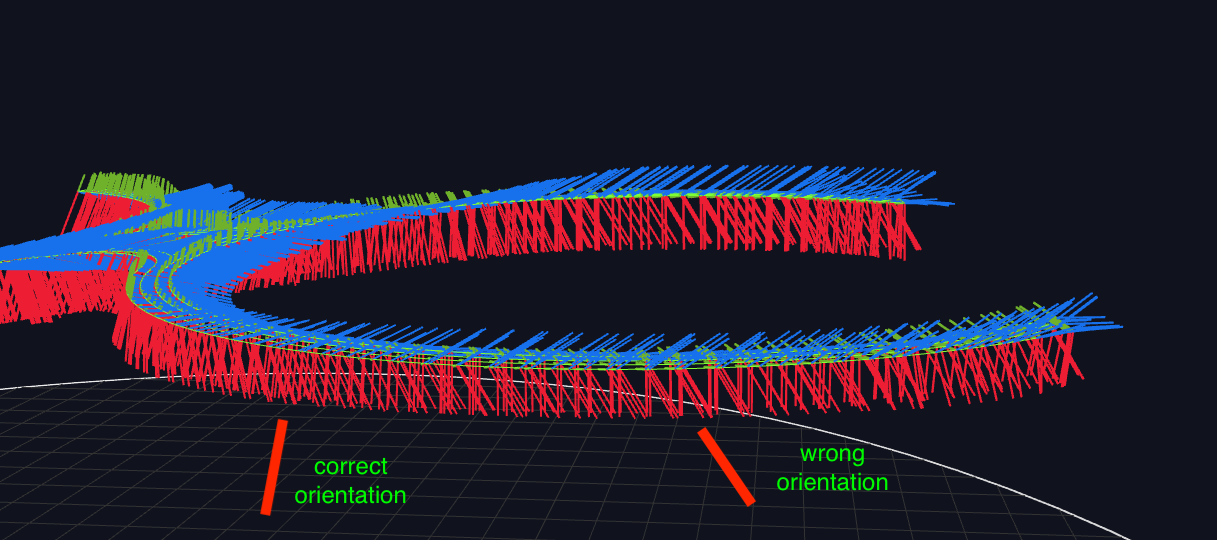
- Identify regions that create LMD access, stability or inspection risk.
- Adapt geometry, walls and transitions where needed.
- Plan build orientation, deposition strategy, finishing and validation scope.
- Use the result to decide whether metal AM is still the right route.
The Exafuse case focus remains metal AM, LMD manufacturability, process access and inspection planning.
What this proves
- Exafuse can support DfAM review before expensive metal AM work starts.
- Bridge-node geometry is a strong public example of why manufacturability matters.
- Design, process, finishing and inspection need to be connected.
What this does not prove
- It does not mean every architectural or structural design is directly printable.
- It does not publish confidential customer geometry, calculations or qualification data.
- It does not replace engineering approval, structural certification or final validation.
What to send for DfAM review
- CAD model, drawings and design intent.
- Critical surfaces, load paths, interfaces and required tolerances.
- Target material, size, mass and manufacturing route preference.
- Inspection, documentation and finishing requirements.
- Known design constraints and which features can be adapted.
Structured case facts
| Entity | DfAM and bridge-node manufacturability review case |
|---|---|
| Topic | Large metal AM design review, LMD manufacturability, bridge-node geometry |
| Suitable when | Complex geometry where manufacturing route and design have to be reviewed together |
| Not suitable when | Designs that cannot be adapted and require unsupported certification evidence |
| Relevant service | Metal AM |
| Relevant proof | Duisburg bridge LMD case study |
| Claim boundary | Manufacturability support, not final engineering approval. |