Service route

Qualify fit by geometry, material, surface function, finishing and inspection before a quote conversation.

Service / Laser cladding

Protect working surfaces with metallurgically bonded metal layers.

Use this route when the project starts from wear, corrosion, oxidation, sliding contact, hot wear or a defined surface zone that needs a better material response.

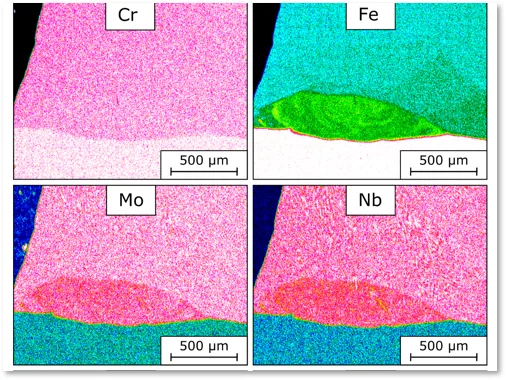
Dilution and element distribution view for LMD validation context

Cladding fit

The coating route starts with the failure mode, not with a preferred powder.

Start with the surface duty: wear, corrosion, oxidation, sliding contact, temperature and the required finishing route. Alloy family, layer strategy, heat input and inspection only make sense after the failure mode is clear.

Use whenWear, corrosion, oxidation or tribology is concentrated on known zones of the part.
Strong examplesForging tools, shafts, rollers, valve seats, pump parts, hydraulic surfaces and localized wear zones.
Not ideal whenA non-metal coating is required, distortion limits cannot be managed or no acceptance criteria exist.
Material logic Fe-, Ni-, Co-based and carbide-reinforced options are selected by duty, substrate and validation needs.

Failure mode route

Choose the coating route from the surface function, not from a powder name.

Wear, corrosion, oxidation, sliding contact and impact duty lead to different alloy, layer and inspection decisions. That is why the route starts with the failure mode.

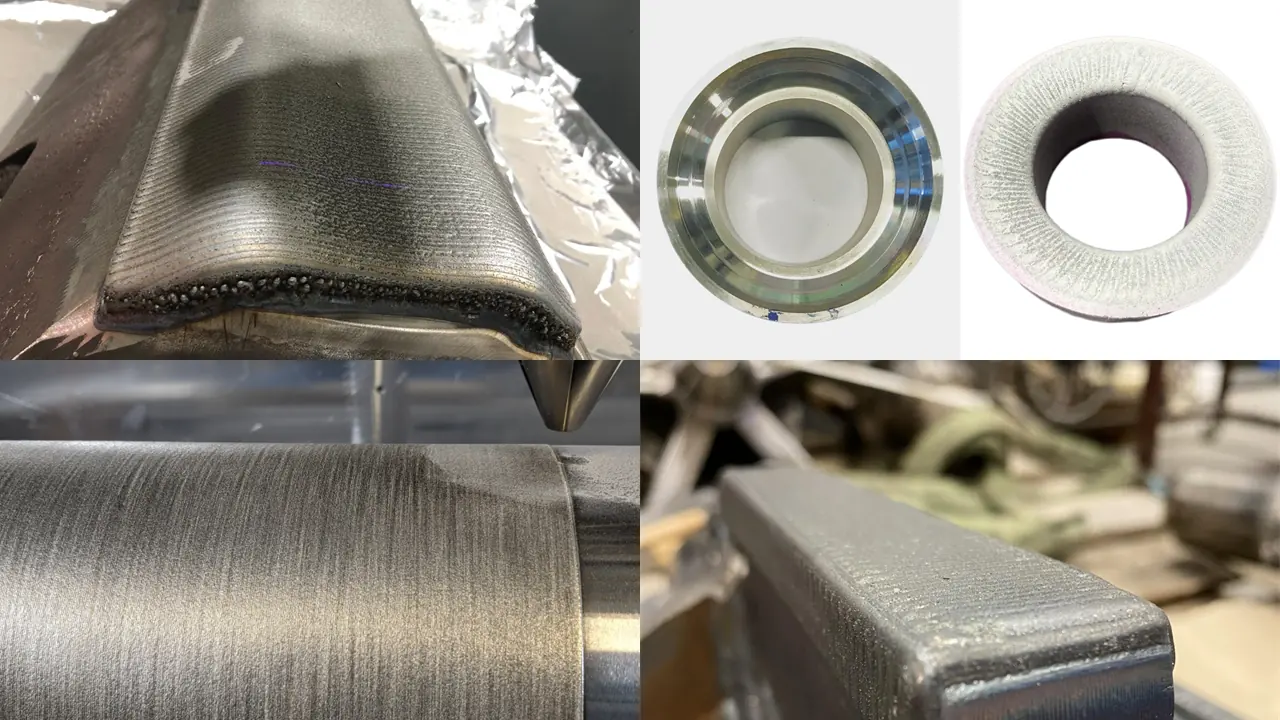
Laser cladding surface protection component

Surface function

The same alloy family can behave differently depending on substrate, heat input, dilution and finishing.

  • Start with failure mode and operating environment.
  • Review substrate, dilution, heat input and finishing together.
  • Define coating evidence by part, surface and acceptance criteria.

Build-and-coat proof

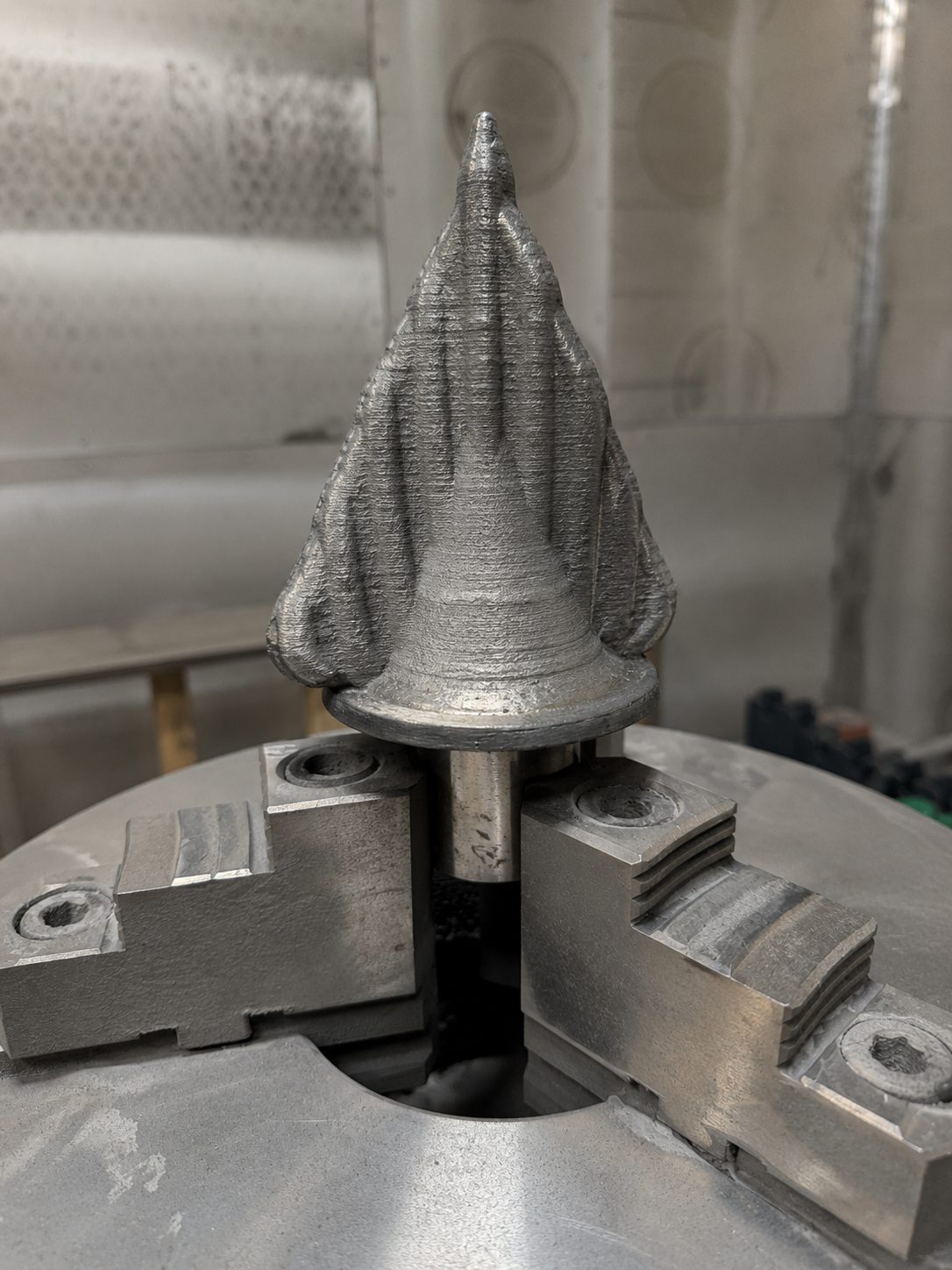
130 mm drill: build, functional coating, finishing and inspection in one route.

The drill shows LMD as a build route and a laser-cladding route. The useful point is not the coating alone, but the connection between geometry, surface function, finishing and evidence.

130 mm drill during Laser Metal Deposition build and coating workflow

Build and coat

130 mm drill: build, functional coating, finishing and inspection in one route.

  • LMD build-up of the base geometry
  • local functional coating with a wear-related target
  • plan finishing and release evidence per part

Copper-substrate proof

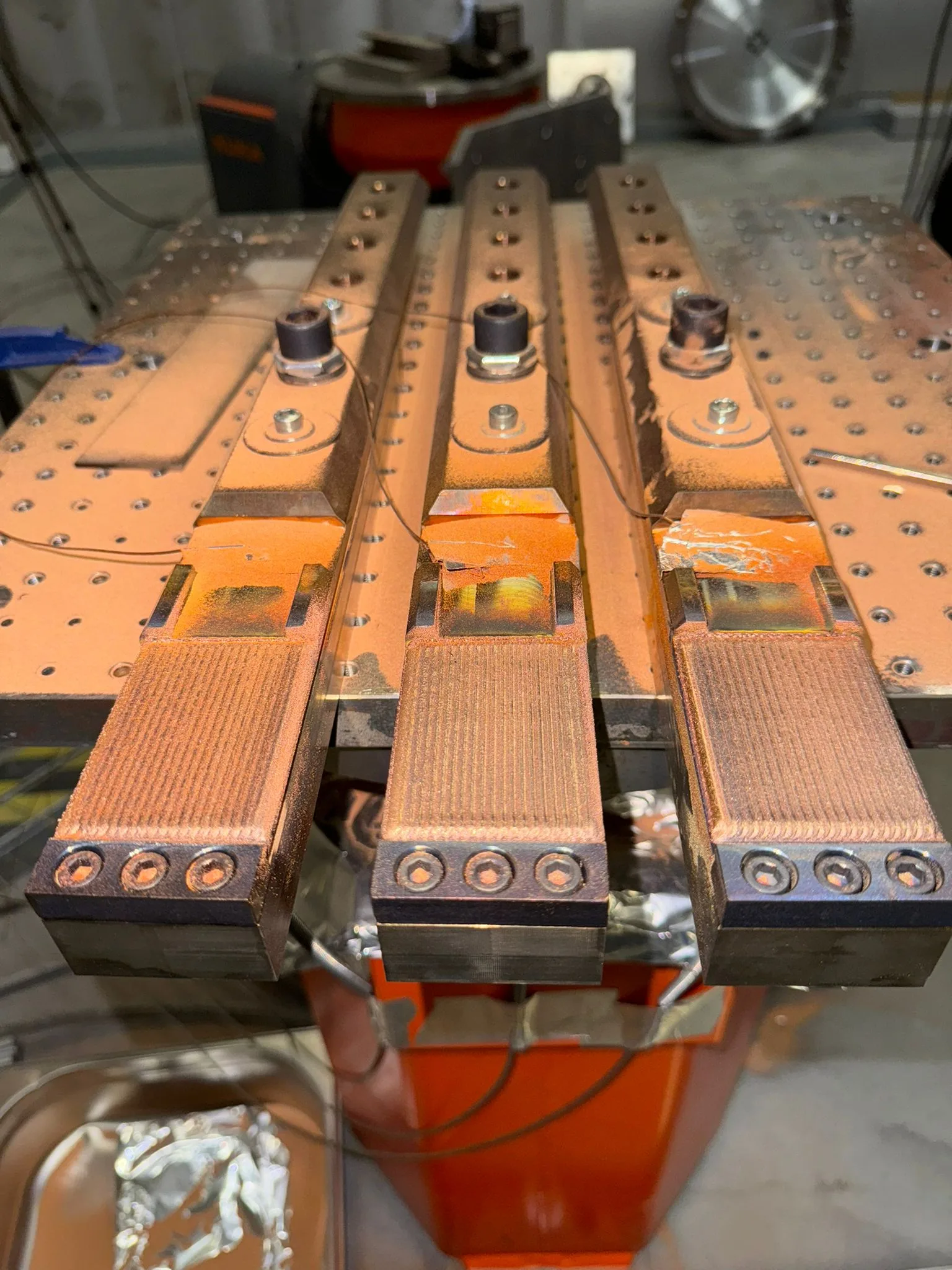
Rotor wedges show why copper substrates need their own coating logic.

Copper alloys create different absorption, temperature-control, dilution and coating-uniformity questions than many steels. This proof is a useful entry point for temperature-managed coating decisions.

Turbo-generator rotor wedges after copper-alloy Laser Metal Deposition coating

Copper substrate

Rotor wedges show why copper substrates need their own coating logic.

  • Review substrate integrity and heat input together
  • Plan temperature control and coating uniformity
  • Define inspection and repeatability early

Valve seat ring proof

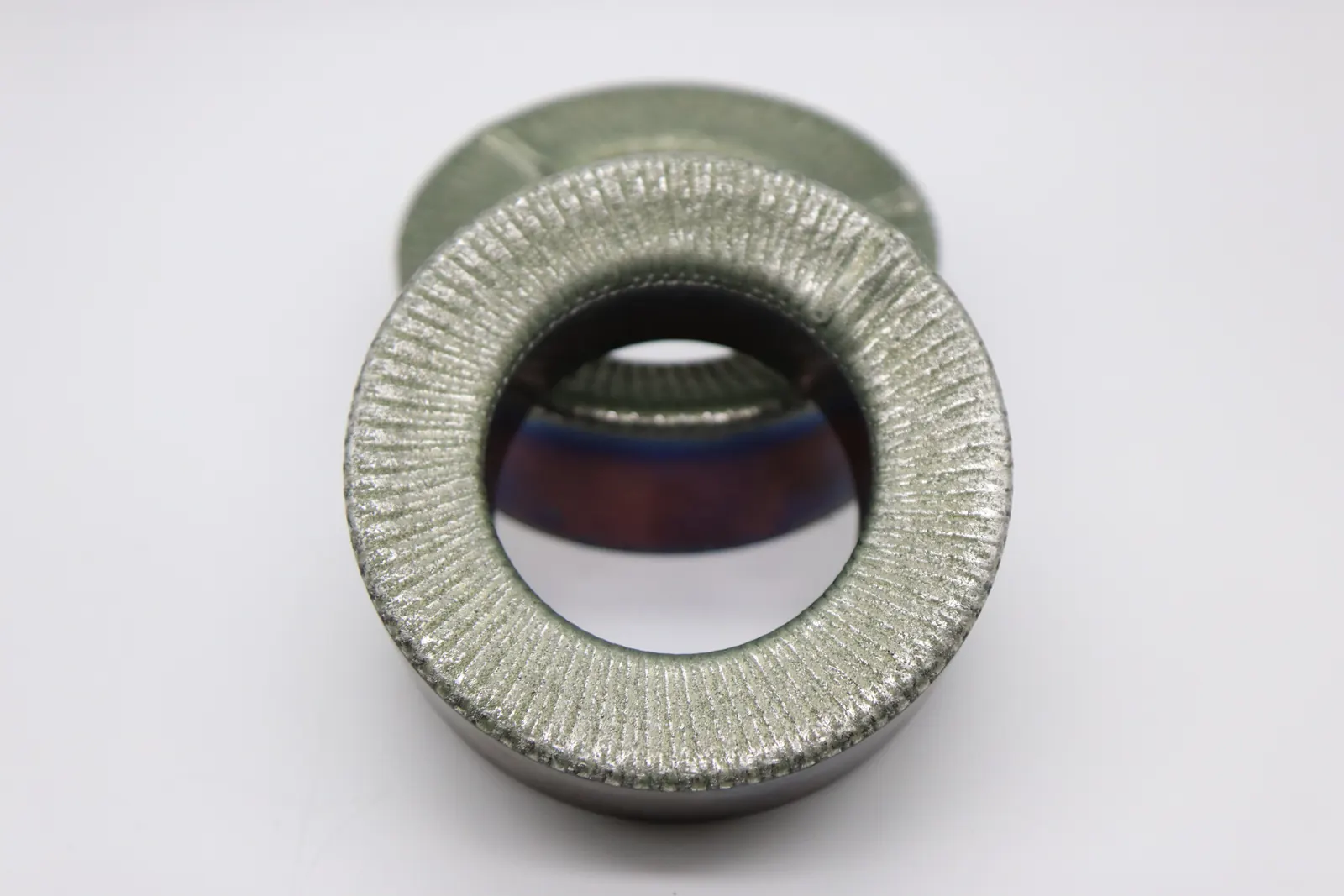
Hard wear layers need heat management, finishing and crack-risk planning.

The valve seat ring proof shows preheating and LMD coating for a demanding functional surface. The material stays project-specific; the public lesson is the process chain.

Valve seat ring after LMD coating before dye inspection

Hard functional surface

Hard wear layers need heat management, finishing and crack-risk planning.

  • Treat preheating as part of the coating route
  • Review crack risk, dilution and finishing together
  • Keep final release part-specific

High-impact tooling proof

Forging hammers show where repair economics and cladding logic meet.

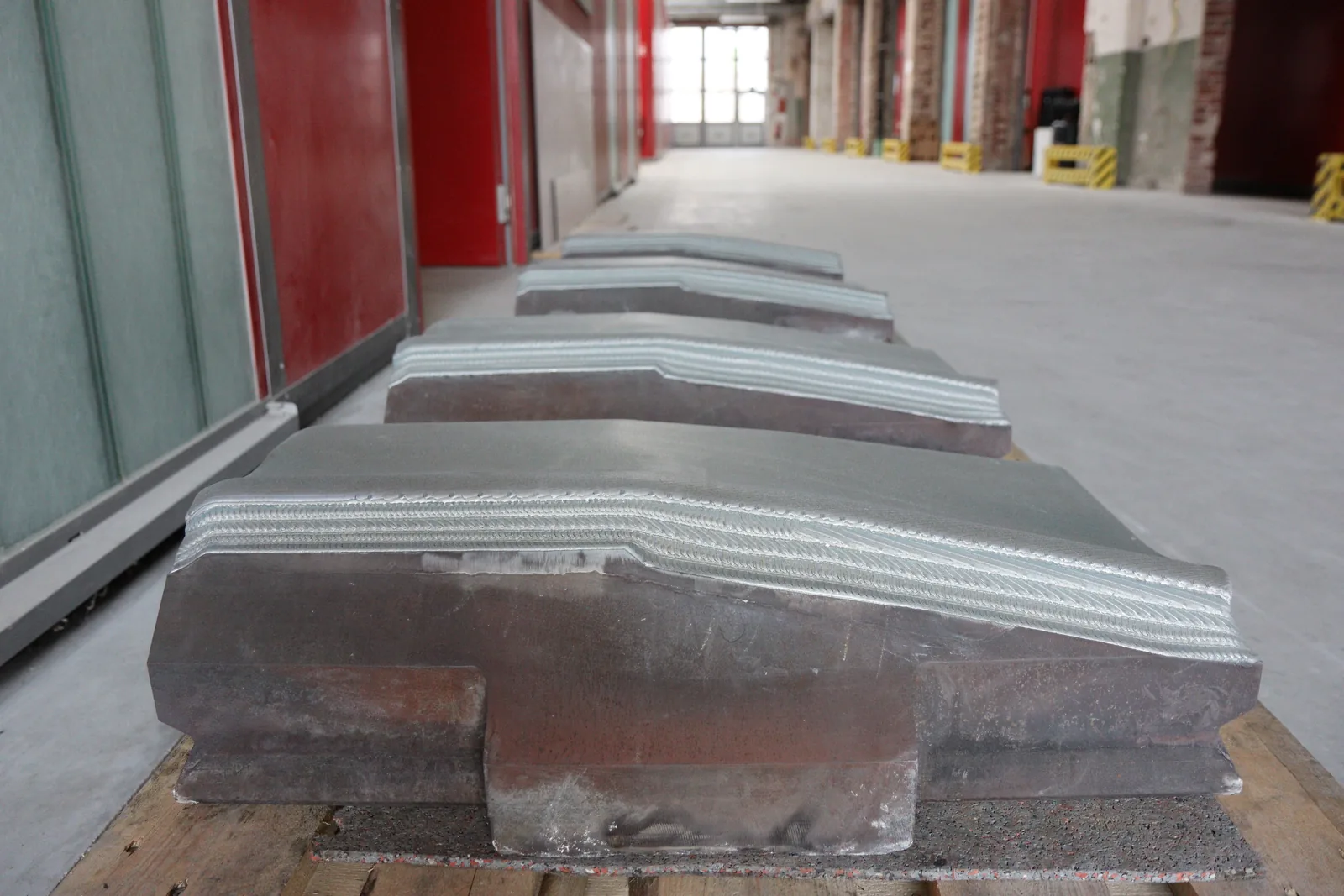
For high-impact tooling surfaces, hardness alone is not enough. Local reinforcement, toughness, bond, finish, crack condition and repair-versus-replacement logic matter together.

Side view of forging hammers showing incremental LMD layers on the working surface

Impact tooling

Forging hammers show where repair economics and cladding logic meet.

  • repair the local wear zone instead of replacing the whole part
  • review alloy, toughness and crack risk together
  • clarify finishing and inspection before deposition

Article snapshots

Read the cladding articles connected to this service.

These articles cover when laser cladding beats conventional coatings, how alloy selection works and how failure modes map to layer and inspection choices.

Proof and FAQ

Coating proof paths and direct answers.

These examples clarify material logic, coating limits and inspection expectations before a coating review.

Coating recommendation

Send the failure mode, base material and surface zone.

Exafuse can review the likely alloy and layer strategy. Final feasibility depends on substrate, geometry, finishing, inspection and service conditions.

Get coating recommendation