Capability screen

Use machine envelope, material family, duty and validation needs to decide what is technically worth reviewing.

Materials

Start with the duty, then choose the alloy family.

For LMD, SLM / LPBF and laser cladding, material selection follows the failure mode, substrate, geometry, temperature, corrosion media, wear mechanism and inspection plan.

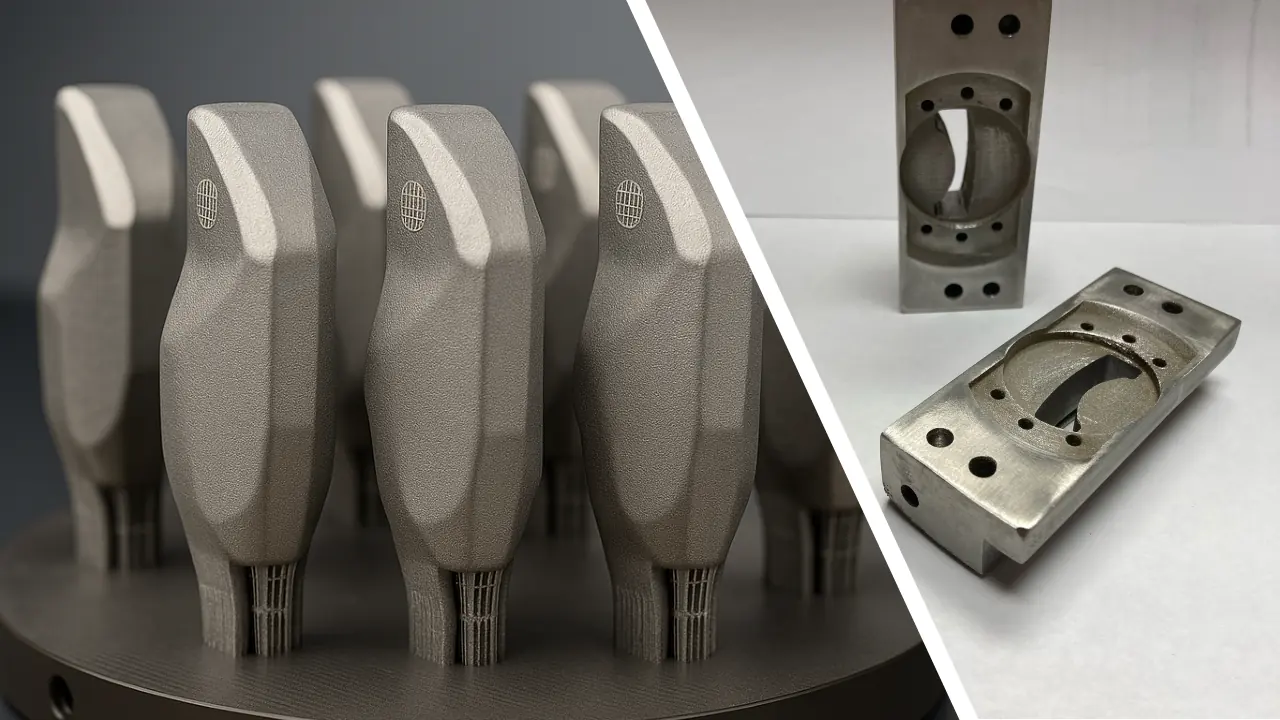
Powder-bed fusion visual for SLM comparison

Material families

The material route follows function, substrate and inspection target.

This overview keeps the materials page calm. The first decision is not the powder name; it is the part duty and the evidence that will be needed later.

Fe-based and tool-steel routes

Relevant for repair, build-up, wear questions and tooling applications when weldability, heat treatment and crack risk are reviewed together.

Ni-based alloys

Relevant for temperature, corrosion and dissimilar-material questions when substrate, dilution, finishing and inspection fit the function.

Co-based and hardfacing routes

Relevant for wear and surface-function work when hardness, toughness, bonding and finishing are evaluated together.

Copper and specialty substrates

Relevant for thermal or electrical-duty applications when absorption, temperature control and layer uniformity are clarified early.

Material capability matrix

Use the alloy list as a starting point, then qualify the route against the part.

The names below show material experience and buying-language coverage. They are not a promise that every grade is stocked, qualified or suitable for every substrate. Exact laser spot size, powder feed, travel speed, layer strategy and heat route stay project-specific.

Family Named examples Typical use discussion Best-fit route
Fe-based, stainless and specialty steel 316L, 4116, H500, PH-14, FeCrV15Ni6 General stainless build-up, steel repair, selected wear surfaces, corrosion-aware industrial parts and cost-sensitive routes. LMD build-up, repair, modification, selected cladding and SLM / LPBF review where geometry justifies it.
Ni-based and Inconel-class Inconel 625, Inconel 718, C276, C282, C939, Ni-based alloys Corrosion, oxidation, heat exposure, high-temperature strength, demanding wear-corrosion combinations and multi-material thermal designs. LMD manufacturing, cladding, multi-material LMD and compact SLM / LPBF parts after alloy and inspection review.
Co-based and tribology Triballoy 400, Triballoy 800, S6, S12 Sliding contact, galling, hot wear, valve-seat-type surfaces and tribological performance where cost and machinability are acceptable. Laser cladding, local surface reinforcement and repair-plus-protect routes.
Copper and conductivity Cu 99.95%, CuNi3Si and copper-alloy coating discussions Conductivity, cooling function, copper-part repair, copper-substrate coating and compatible material transitions. Project-specific LMD / cladding review with heat management, monitoring and substrate compatibility planning.
Carbide and hard-particle routes Tungsten-carbide-containing systems, WSC and other hard-particle coating routes Severe abrasion, cutting or drilling surfaces, mining and tooling wear, and cases where hardness must be balanced against toughness. Laser cladding and LMD build-and-coat workflows with microscopy, hardness context and crack-risk review where required.

Problem-to-material routes

Start from the part problem, then open the relevant proof path.

These cards connect material families to practical application and evidence routes. The images come from the linked case studies or their assigned proof media.

Material proof

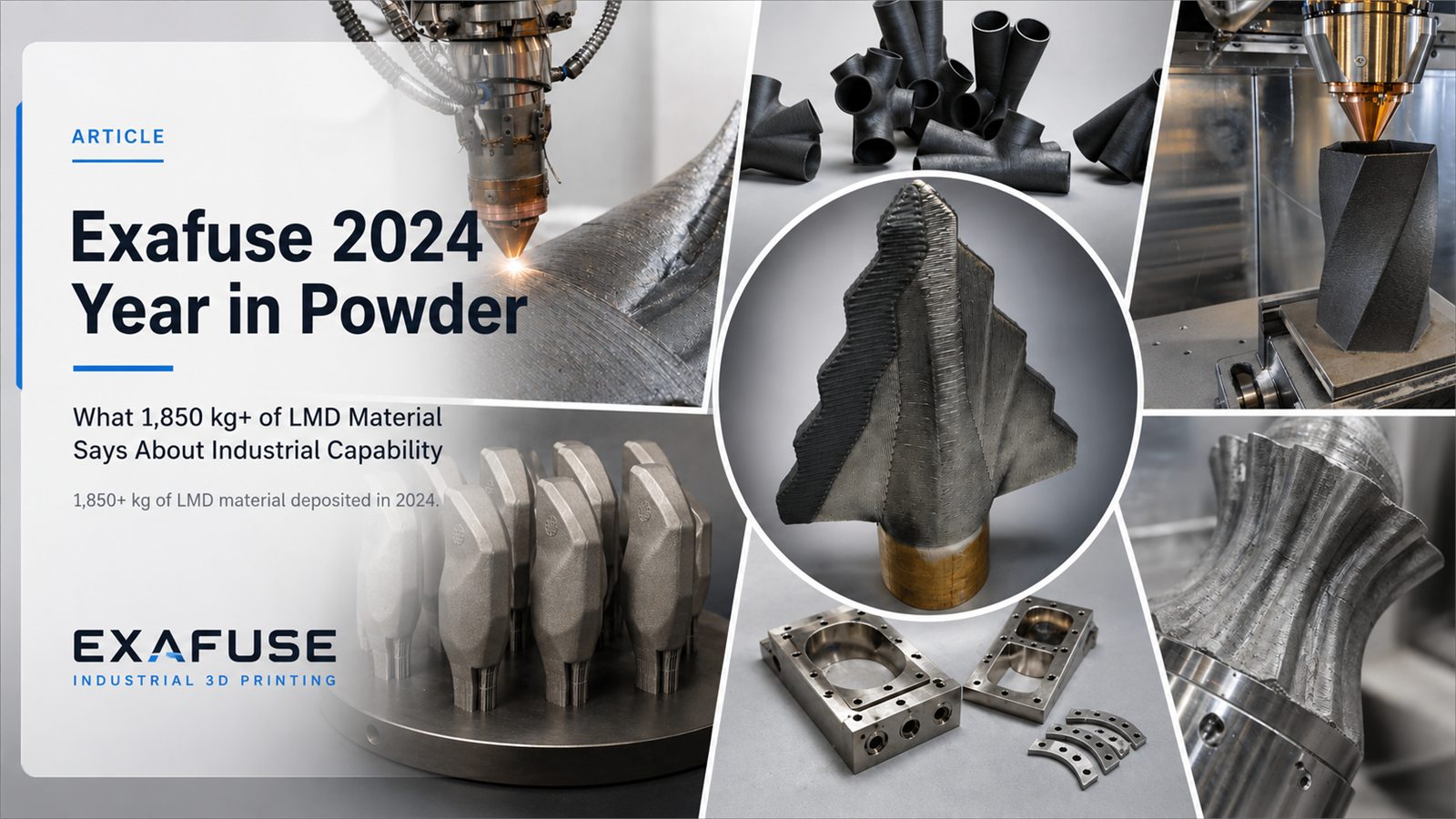
A year in powder shows breadth, not automatic suitability for every alloy.

That is why the materials page needs clear boundaries: alloy family, substrate, function, heat input, procurement, finishing and inspection decide together.

Powder and process review visual for Exafuse metal additive manufacturing year-in-review content

Powder and alloy families

A year in powder shows breadth, not automatic suitability for every alloy.

  • derive material choice from failure mode and function
  • check availability and substrate compatibility
  • define the inspection route before material release

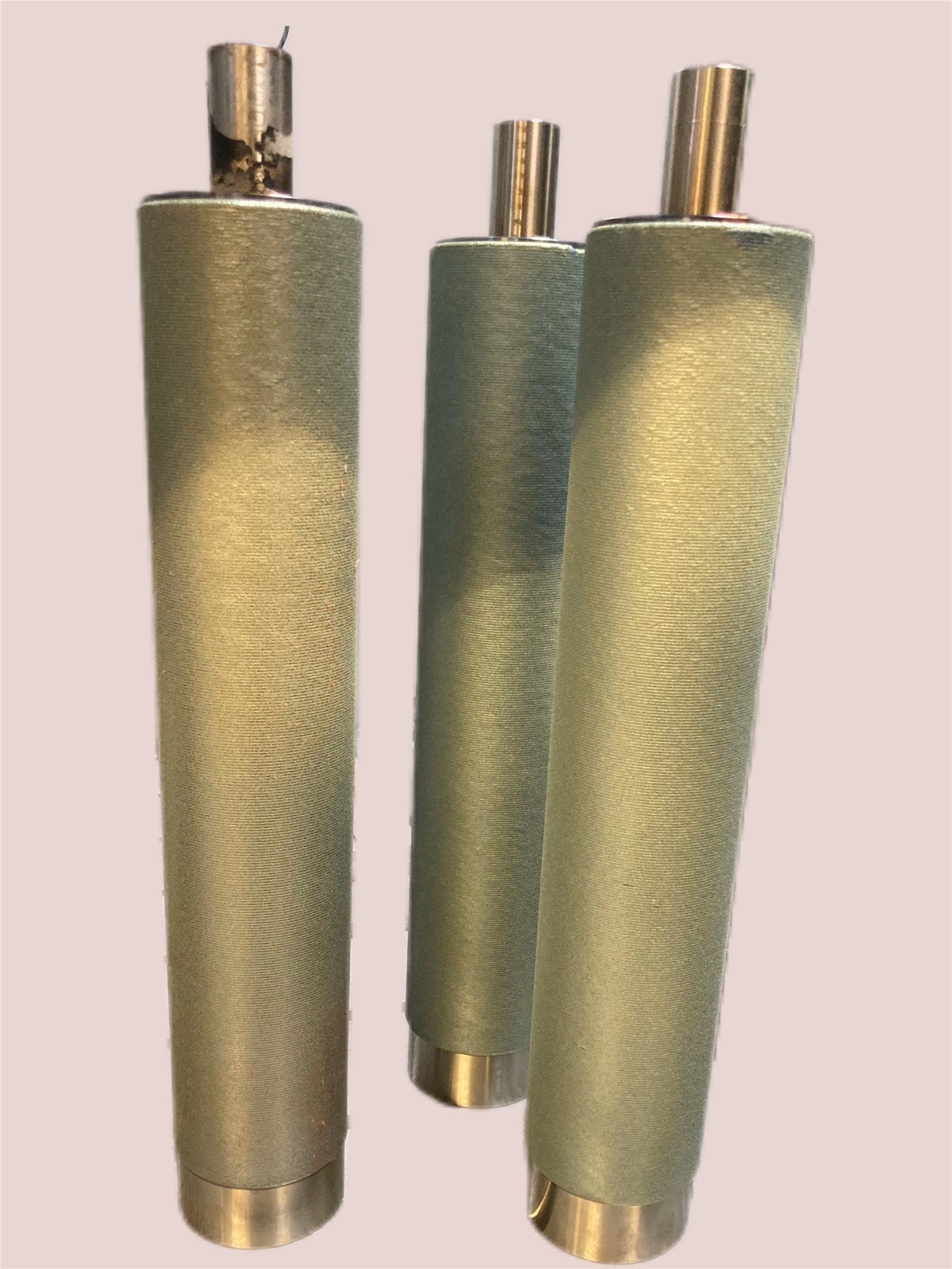
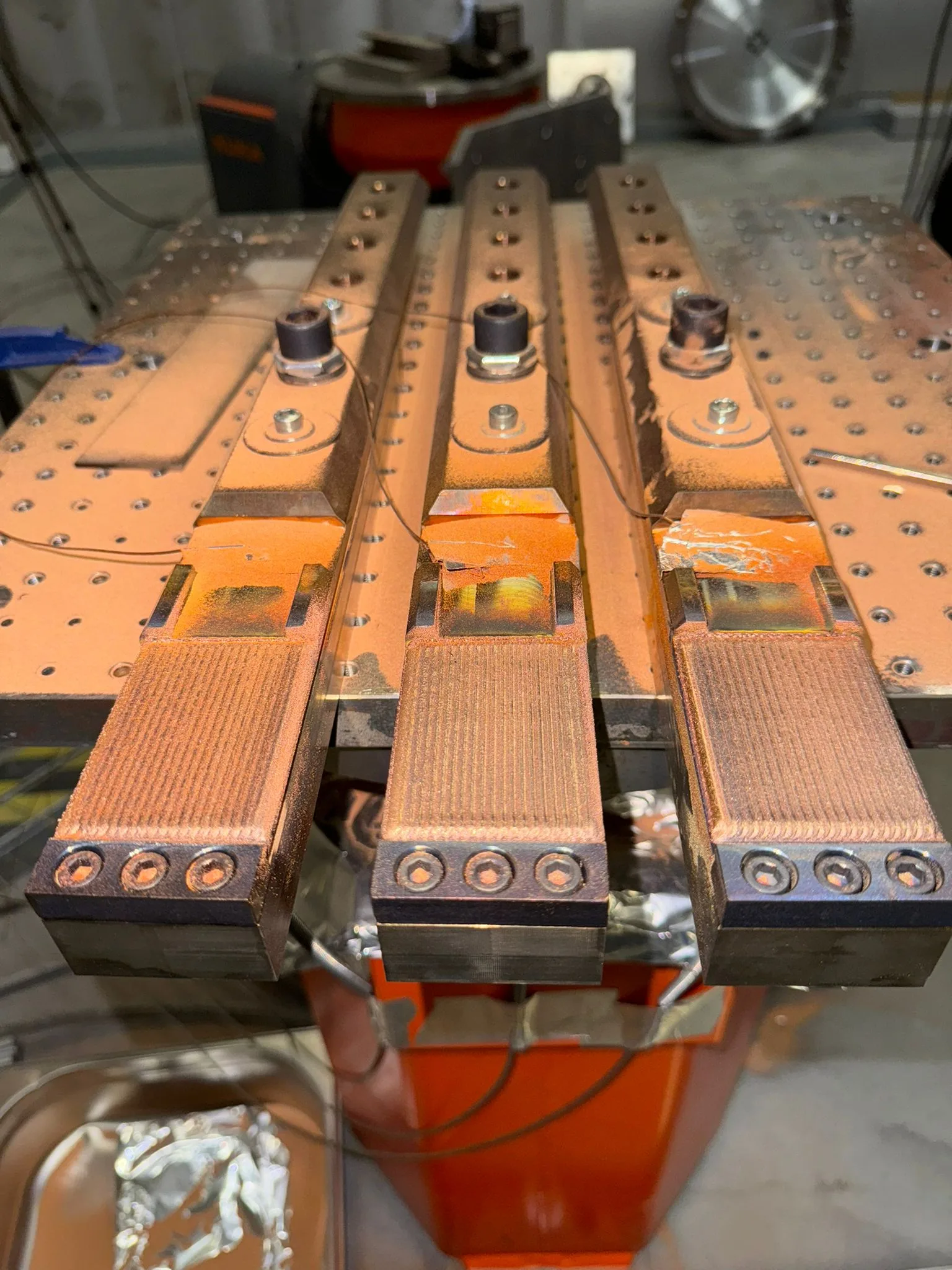
Copper-substrate proof

Rotor wedges show why copper substrates need their own coating logic.

Copper alloys create different absorption, temperature-control, dilution and coating-uniformity questions than many steels. This proof is a useful entry point for temperature-managed coating decisions.

Turbo-generator rotor wedges after copper-alloy Laser Metal Deposition coating

Copper substrate

Rotor wedges show why copper substrates need their own coating logic.

  • Review substrate integrity and heat input together
  • Plan temperature control and coating uniformity
  • Define inspection and repeatability early

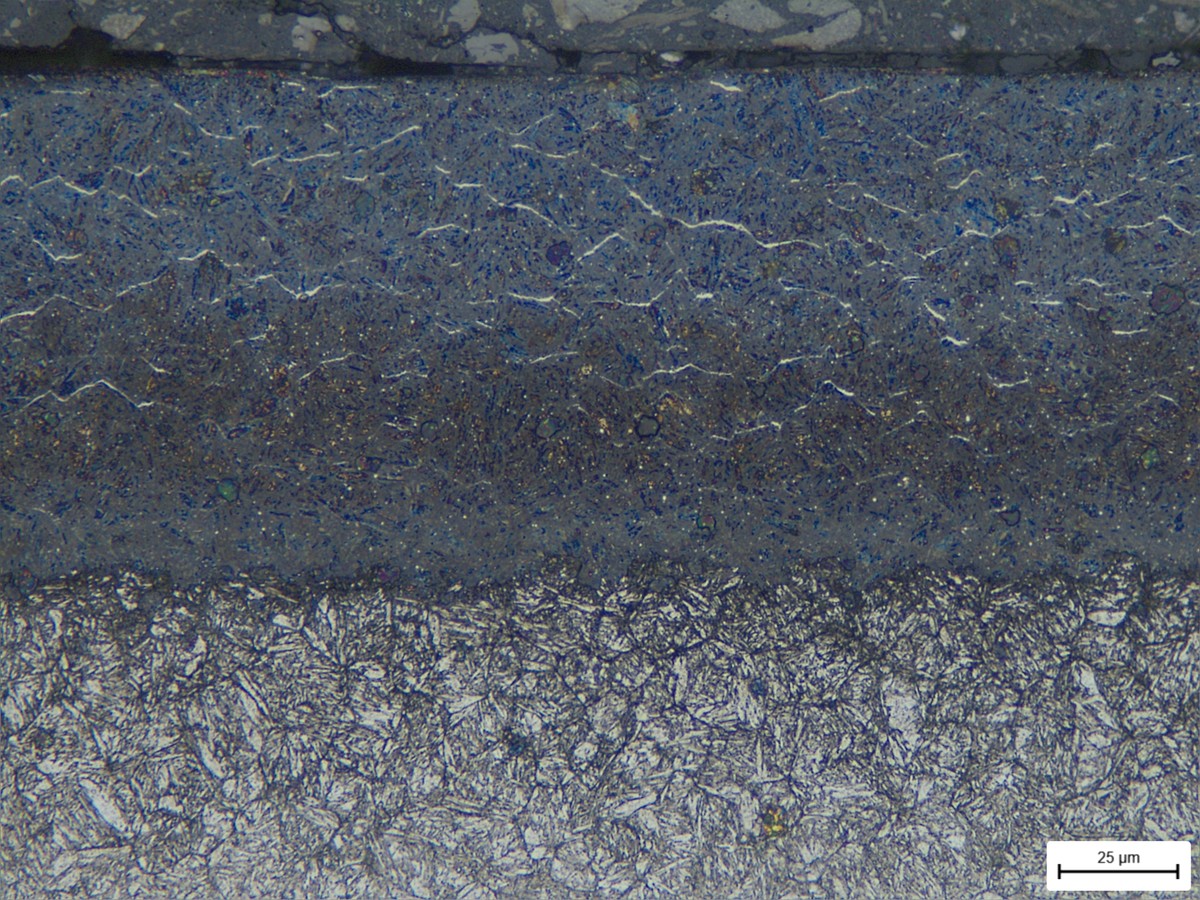
Tungsten-carbide-containing proof

Wear protection needs microstructure, bonding and crack-risk logic alongside hardness.

Tungsten-carbide-containing coatings can be relevant for abrasive wear. The route still depends on matrix, substrate, heat input, finishing and inspection target.

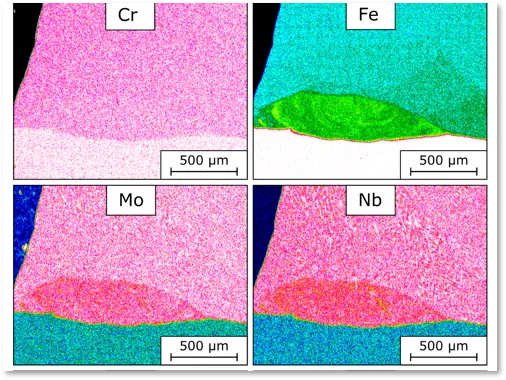
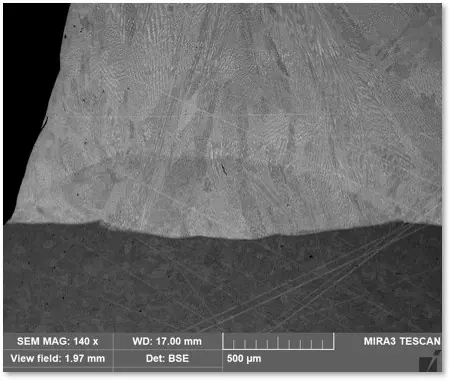
Metallographic cross-section of an LMD hardfacing layer with scale bar

Microstructure and wear

Wear protection needs microstructure, bonding and crack-risk logic alongside hardness.

  • separate abrasive duty from impact duty
  • review matrix, carbide fraction and bonding technically
  • plan crack risk and finishing together

Valve seat ring proof

Hard wear layers need heat management, finishing and crack-risk planning.

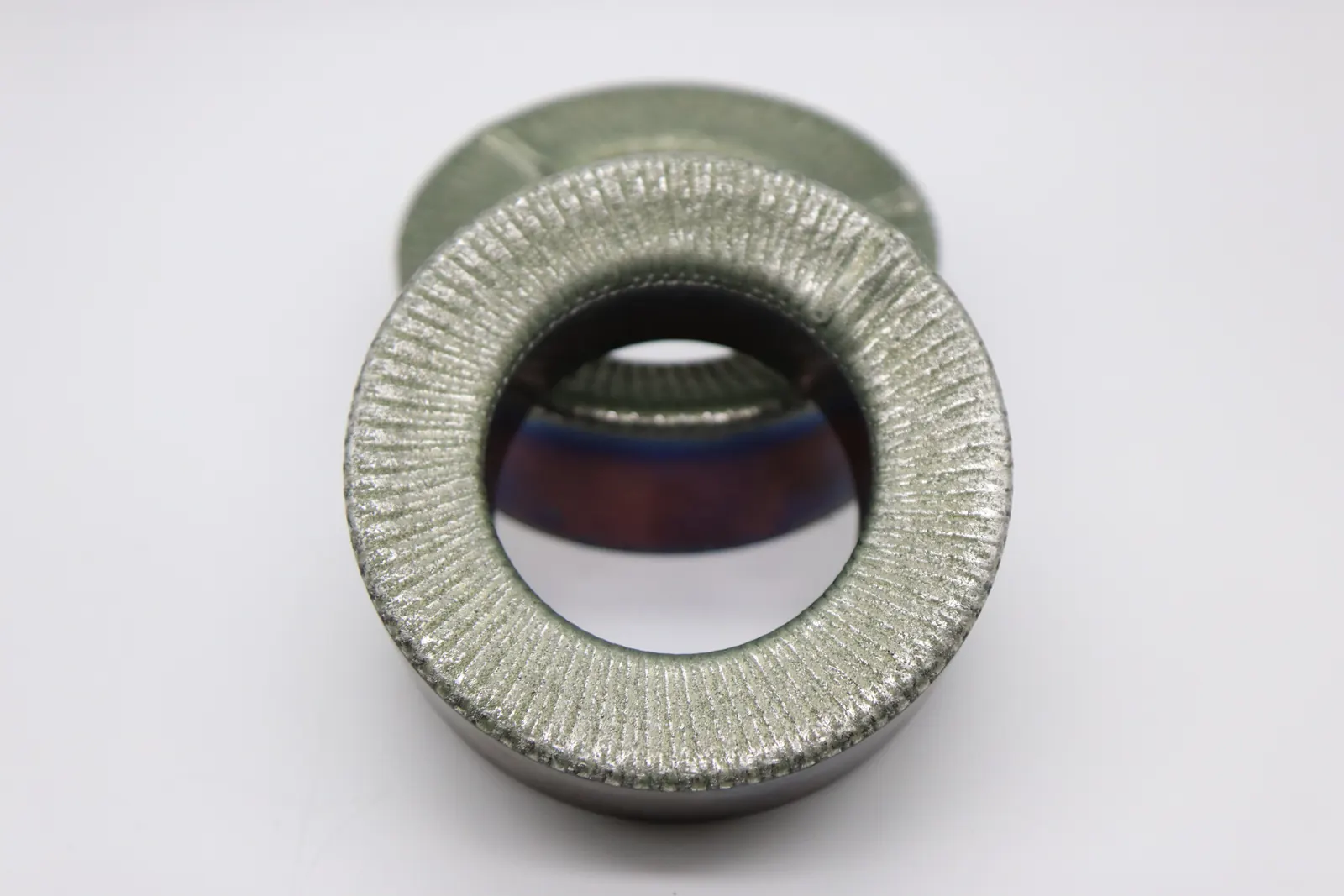
The valve seat ring proof shows preheating and LMD coating for a demanding functional surface. The material stays project-specific; the public lesson is the process chain.

Valve seat ring after LMD coating before dye inspection

Hard functional surface

Hard wear layers need heat management, finishing and crack-risk planning.

  • Treat preheating as part of the coating route
  • Review crack risk, dilution and finishing together
  • Keep final release part-specific

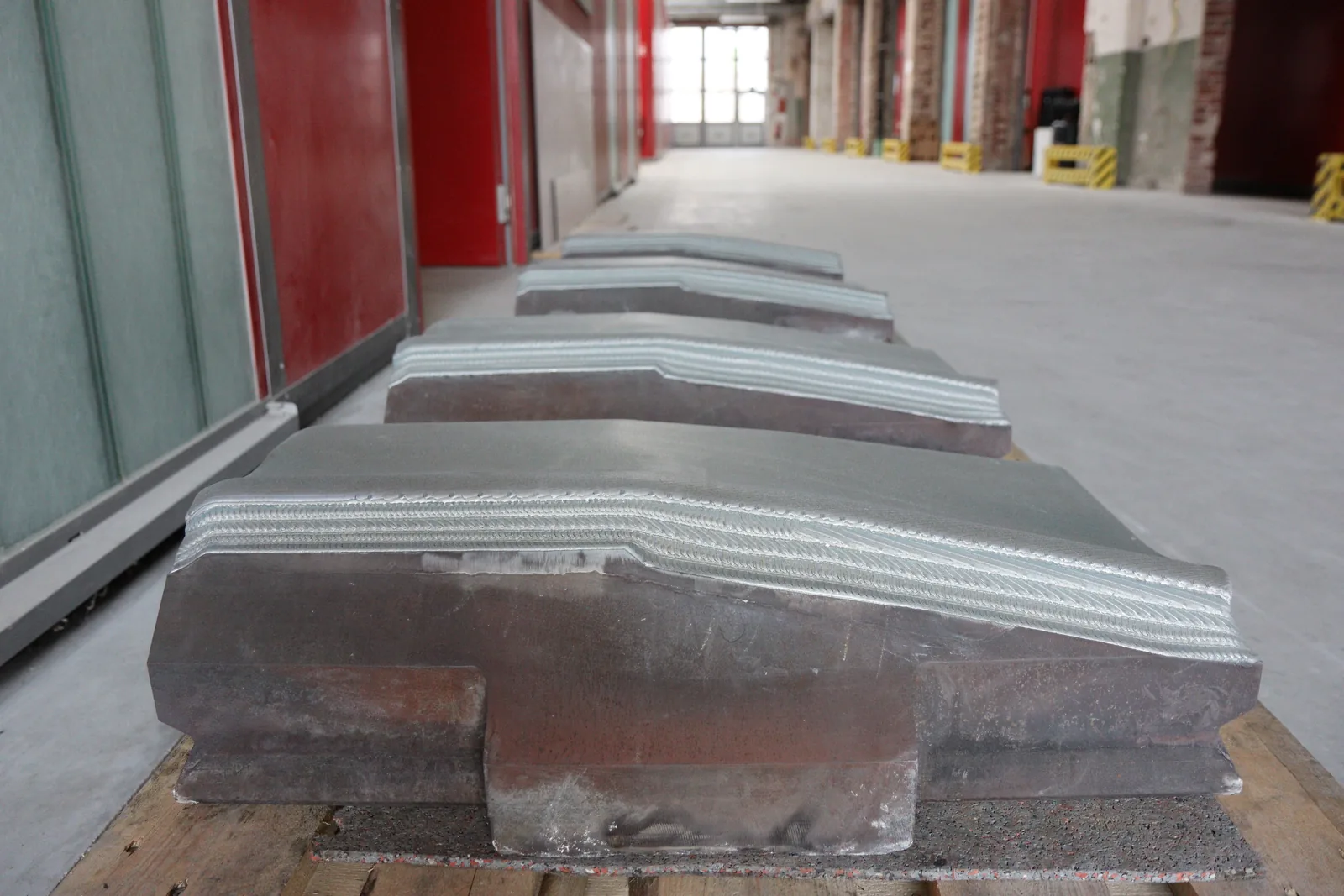
High-impact tooling proof

Forging hammers show where repair economics and cladding logic meet.

For high-impact tooling surfaces, hardness alone is not enough. Local reinforcement, toughness, bond, finish, crack condition and repair-versus-replacement logic matter together.

Side view of forging hammers showing incremental LMD layers on the working surface

Impact tooling

Forging hammers show where repair economics and cladding logic meet.

  • repair the local wear zone instead of replacing the whole part
  • review alloy, toughness and crack risk together
  • clarify finishing and inspection before deposition

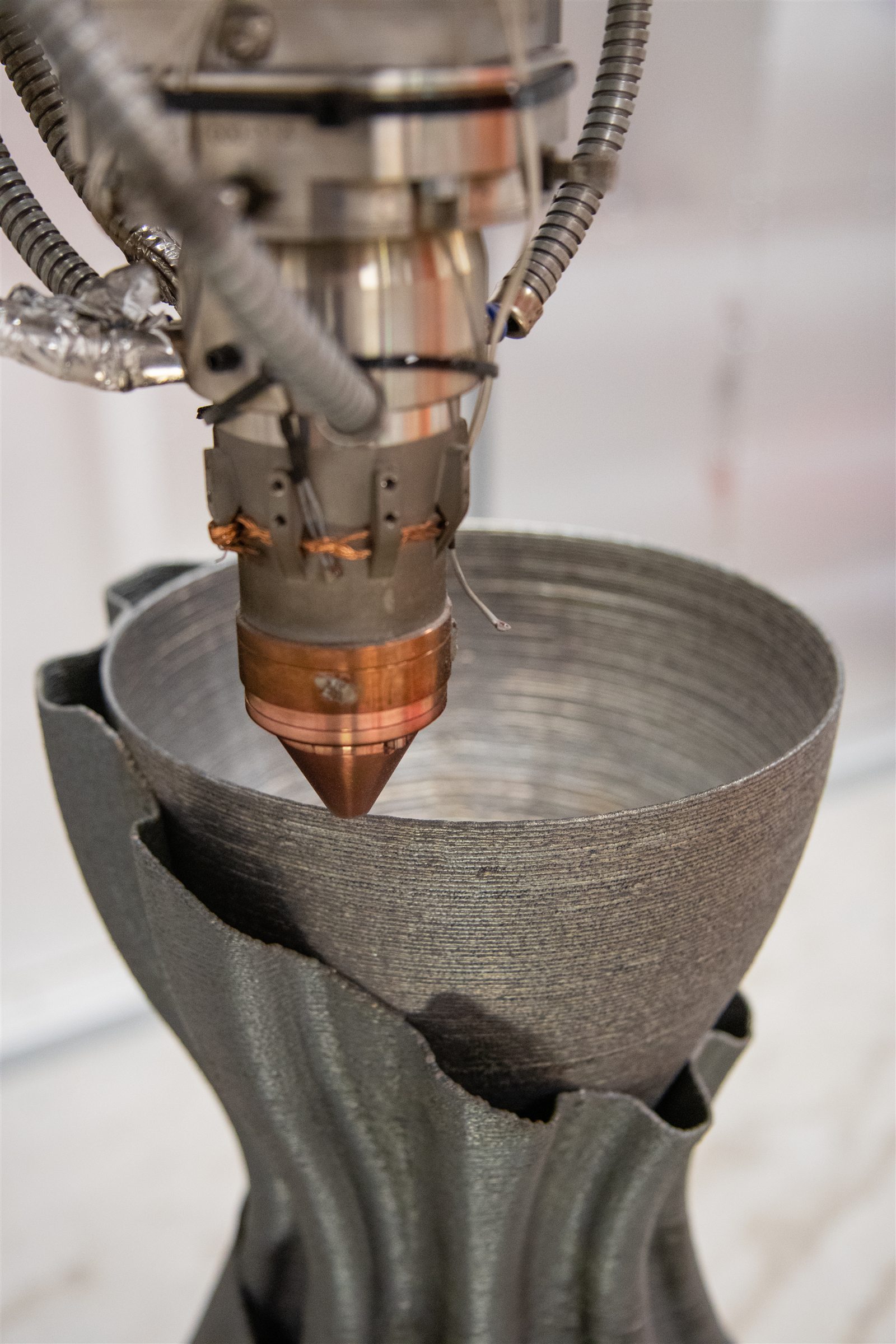
Multi-material proof

750 mm water-cooled nozzle with two Ni-based material zones.

The nozzle case is a strong signal for material zoning, thin-wall LMD planning and long build stability. It does not replace part-specific release for other geometries.

Close process view of a 750 mm multi-material LMD nozzle demonstrator

Material zoning

750 mm water-cooled nozzle with two Ni-based material zones.

  • Use Inconel 625 and Inconel 718 in defined zones
  • Plan thin walls, cooling ribs and heat input together
  • Evaluate long builds through process stability

SLM / LPBF design logic

Powder-bed parts need material choice and geometry planning in the same step.

SLM / LPBF is strong when compact geometry, fine detail or internal channels carry the value. It is less suited when the question is local repair, large build envelopes or surface-only coating.

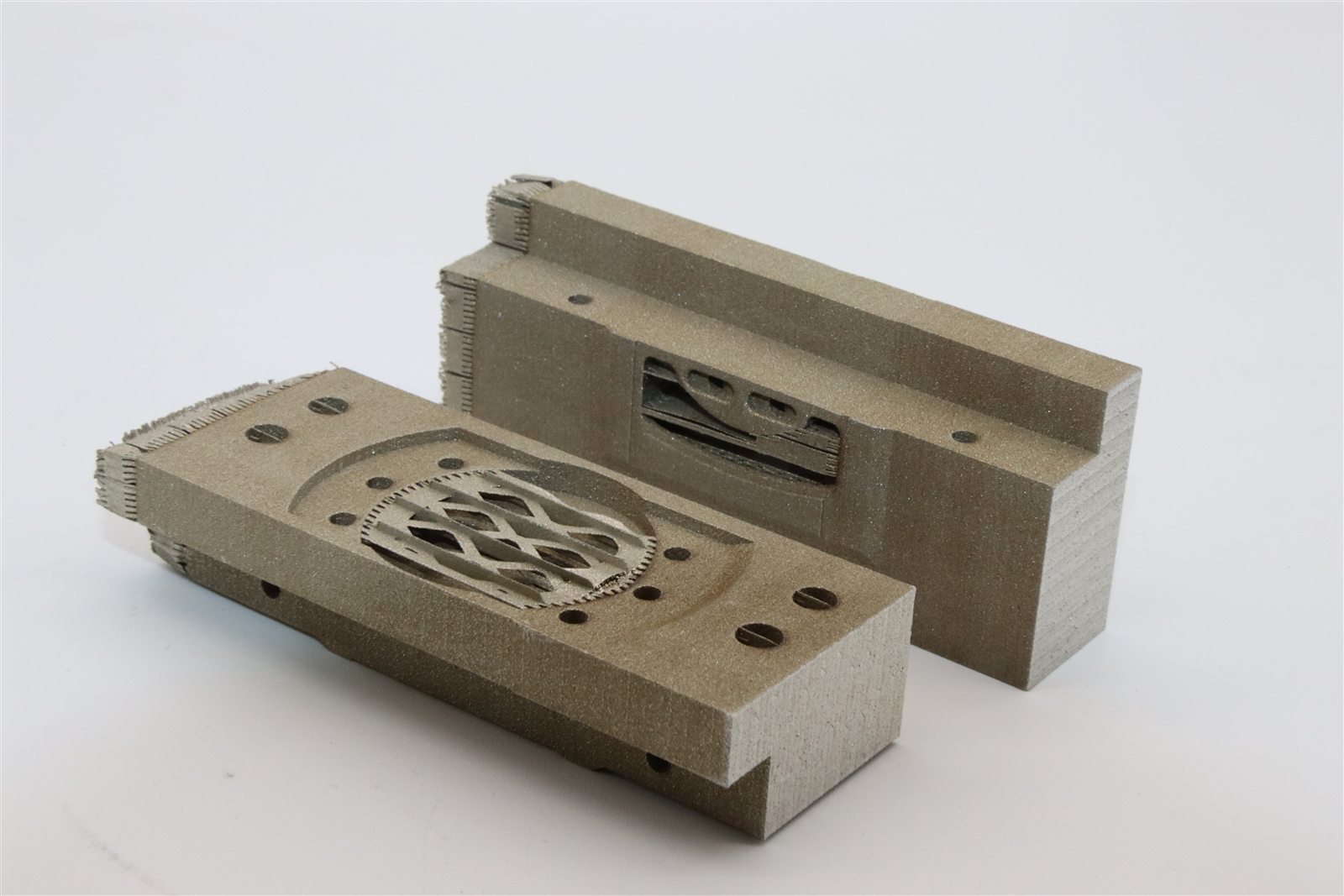
Powder-bed fusion visual for SLM comparison

SLM / LPBF

Powder-bed parts need material choice and geometry planning in the same step.

  • plan build orientation, supports and residual stress
  • connect material, powder route and post-processing
  • cross-check LMD for large or local deposition tasks

Selection map

Four checks keep the material decision technically clear.

These cards lead to the relevant detail pages. Each route starts with the part problem and ends with the evidence and finishing needed for a reliable decision.