
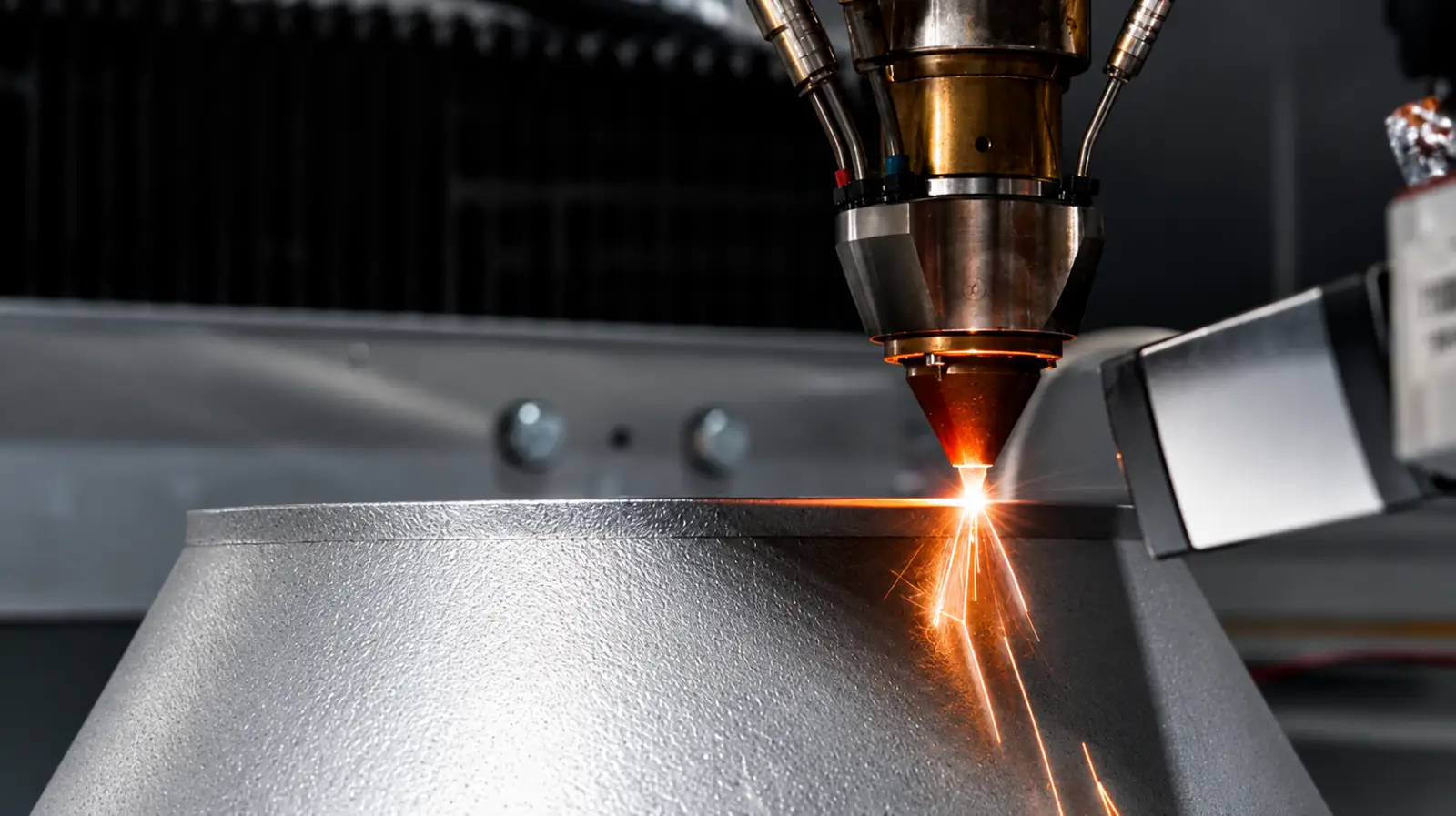
Industrial additive manufacturing / LMD / SLM / route selection
Industrial additive manufacturing for high-value metal components.
Build, repair, modify or protect metal parts with the right additive route: LMD/DED-LB/M, SLM/LPBF, hybrid manufacturing, repair or laser cladding.
Not sure where to start?
Find the right Exafuse route for your part.
Answer a few practical questions and get directed to the service, article cluster, estimator, RFQ builder or feasibility request that matches your goal.
Core services
Choose the process by the job your part has to do.
Choose between LMD, SLM and hybrid additive routes by the job your component must do, then plan finishing and inspection around that route.
Metal AM
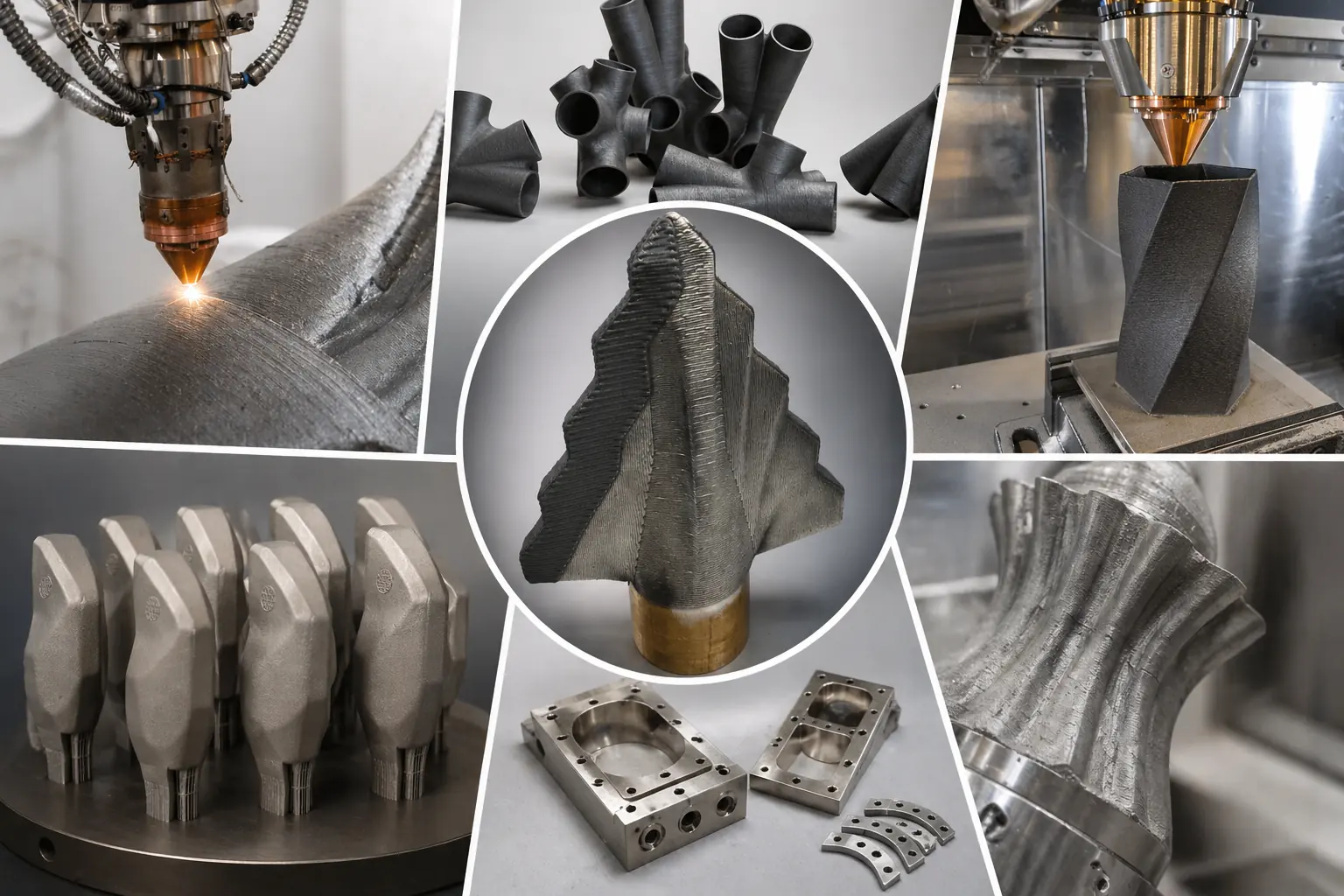
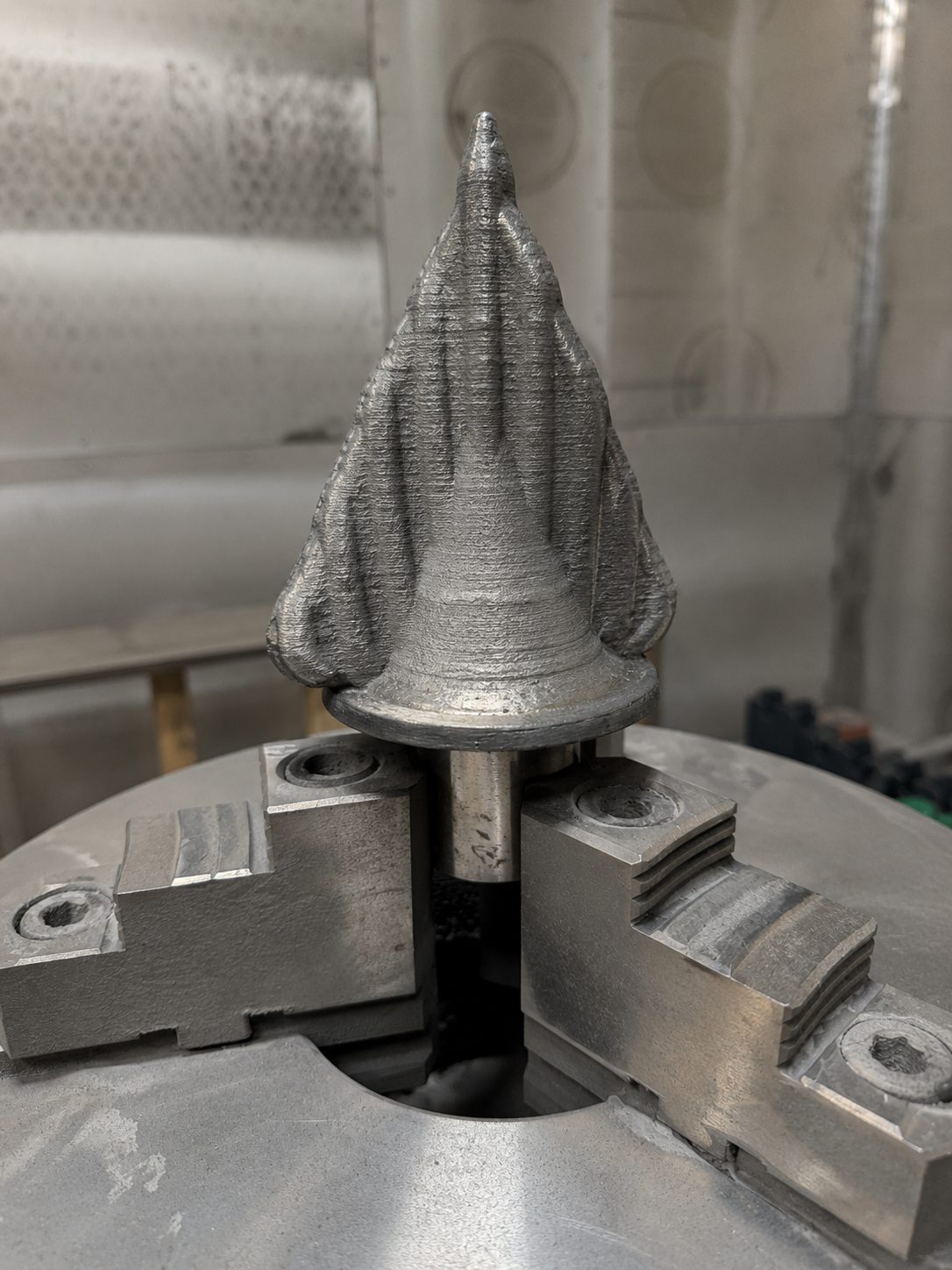
Manufacture metal parts with LMD, SLM or hybrid routes
For large components, compact detailed geometries, prototypes, hard-to-machine alloys and additive-friendly redesigns.
Explore manufacturing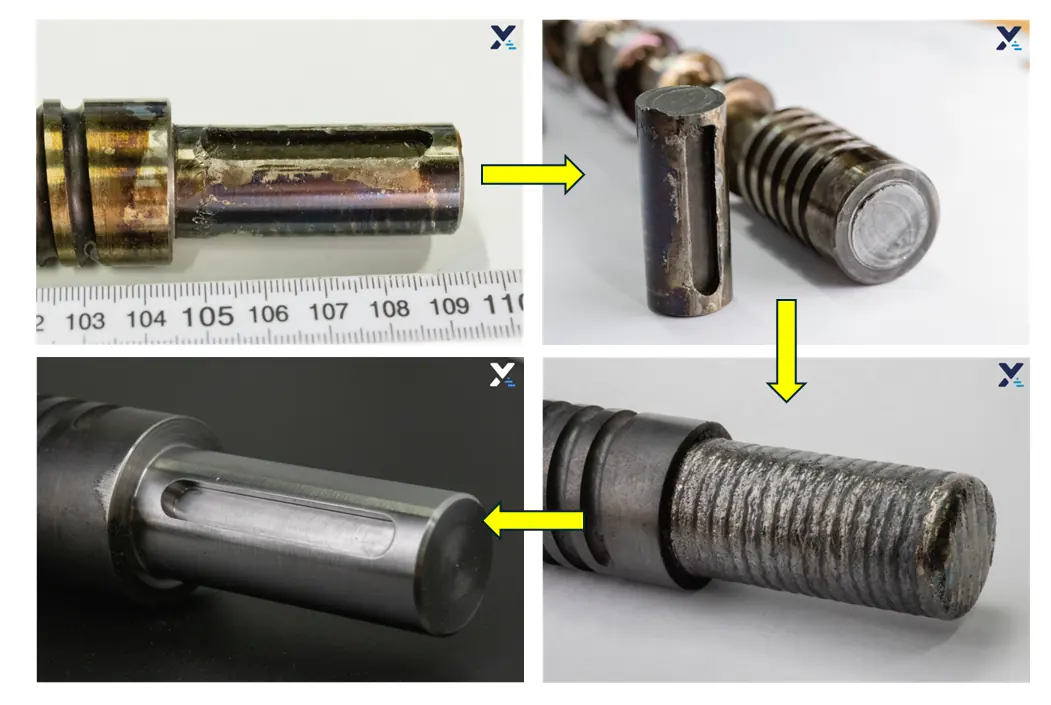
Repair and modification
Restore geometry and function
For localized wear, missing material, machining errors, redesign features and high-value parts worth evaluating before replacement.
Explore repair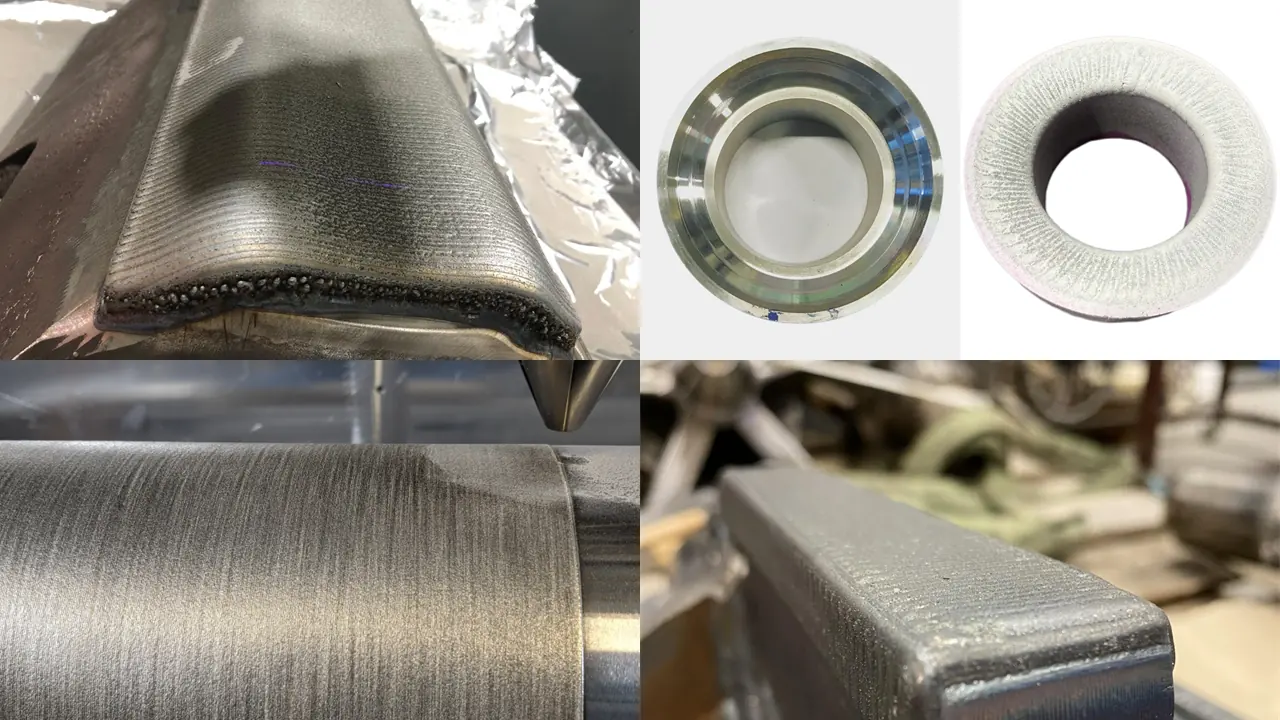
Laser cladding
Add protective metal layers
For surfaces exposed to abrasion, corrosion, oxidation, high temperature or sliding contact.
Explore claddingProcess-selection roadmap
LMD for scale, SLM for detail, hybrid when the part needs both.
Additive manufacturing is not one generic print button. Buyers need a clear route: deposition for large, local or repair work; powder-bed fusion for compact fine detail; a hybrid approach when performance and cost point to a combined workflow.
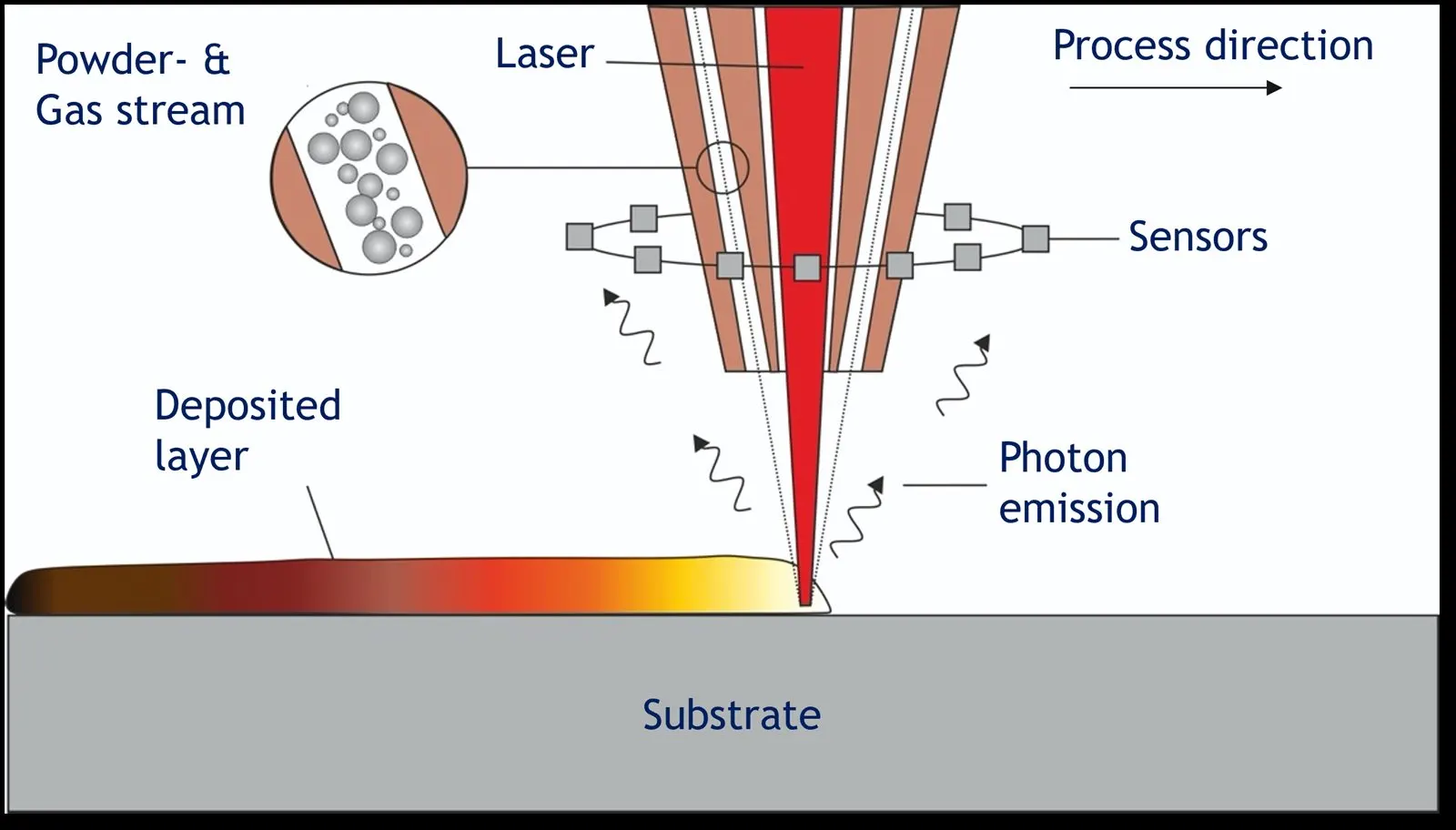
Laser Metal Deposition (LMD)
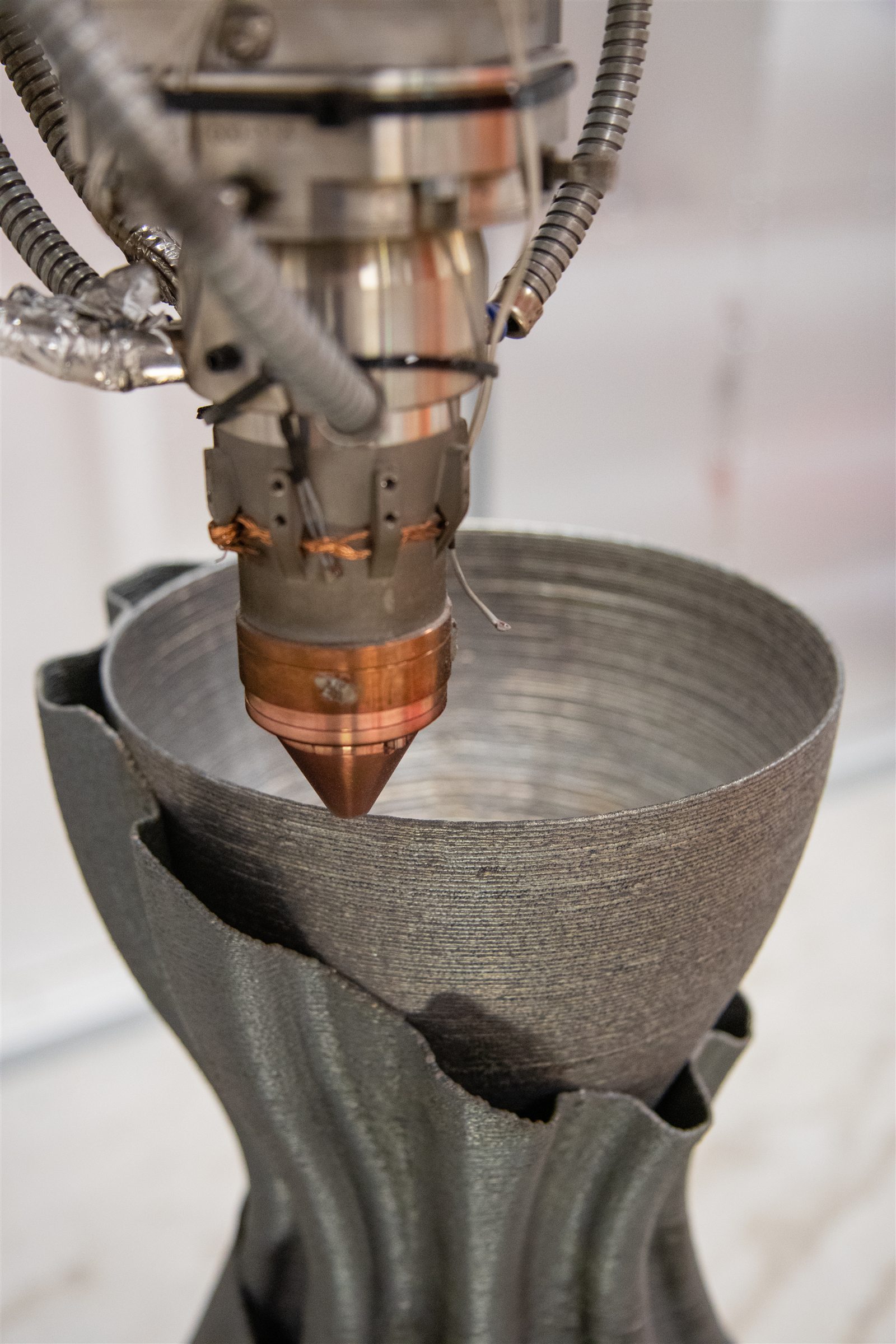
Powder is fed into a laser-created melt pool and deposited on an existing substrate or free build surface. Strong for large parts, repair, local feature addition and laser cladding.
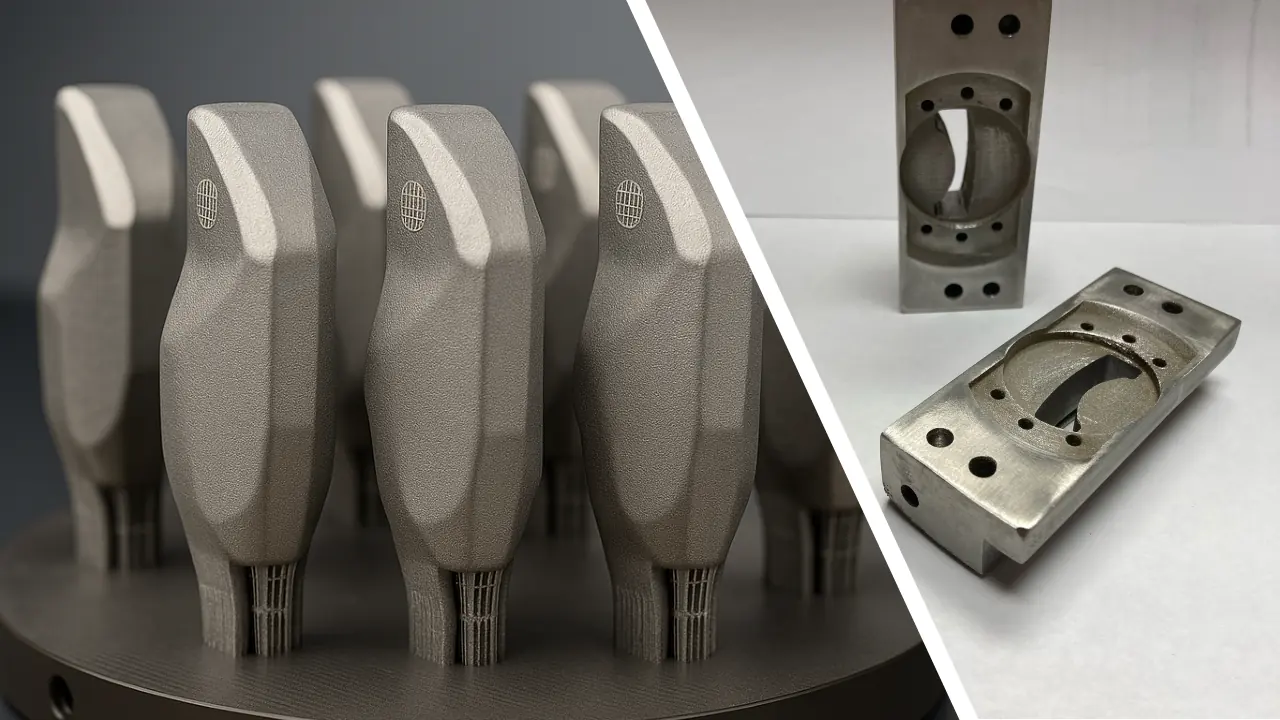
Selective Laser Melting (SLM)
A laser selectively melts metal powder in a powder bed layer by layer from CAD data. Strong for compact, intricate parts where fine geometric detail is the value driver.
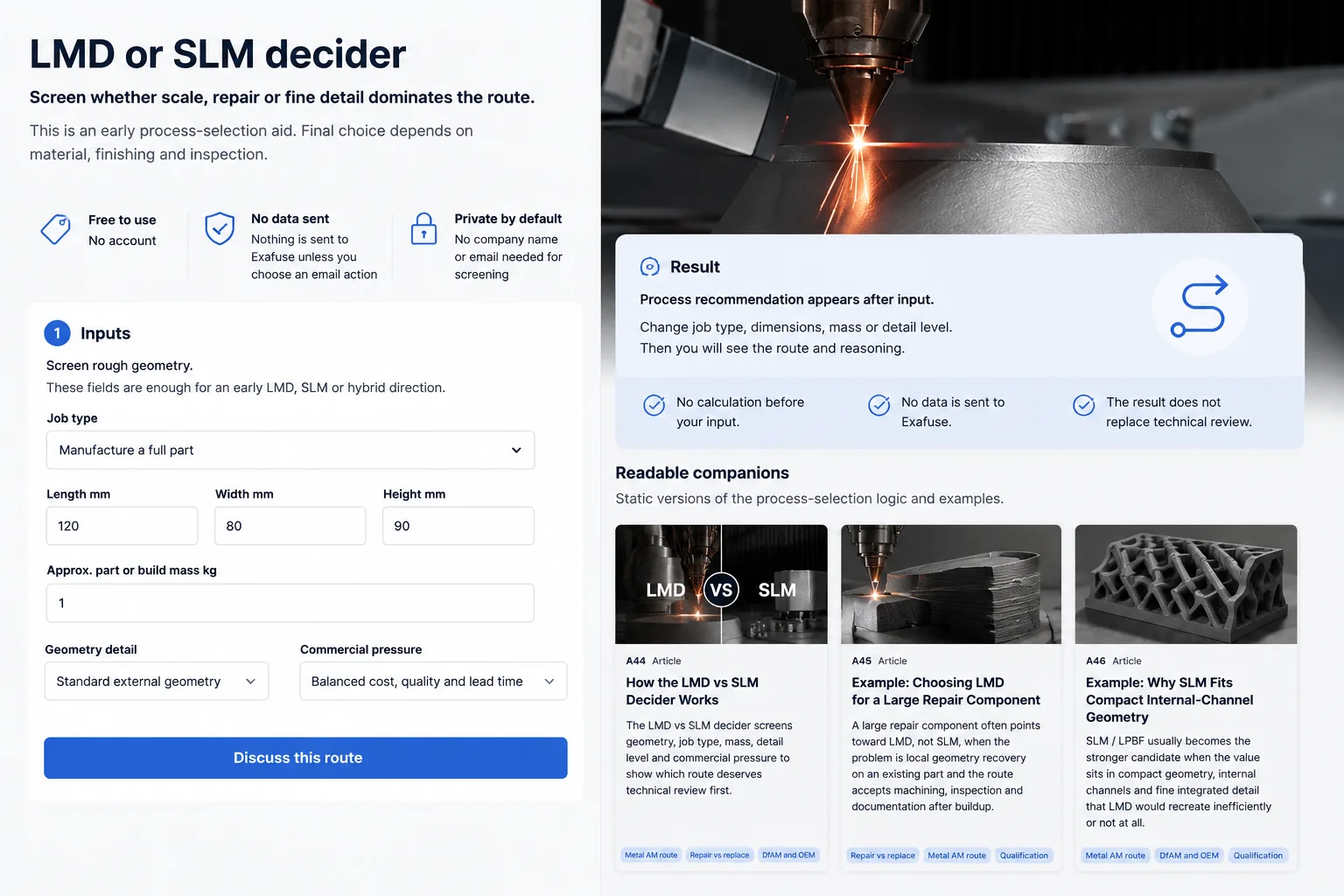
Hybrid additive route
Use the speed, scale or repair logic of LMD and the resolution logic of SLM where required. The decision starts with part function, size, detail, finishing and qualification risk.
Why Exafuse
Proof-backed guidance for engineers, maintenance and procurement.
Use the case studies, technical guides and tools to trace each claim to the closest part type, material route, inspection question and request data before contacting Exafuse.
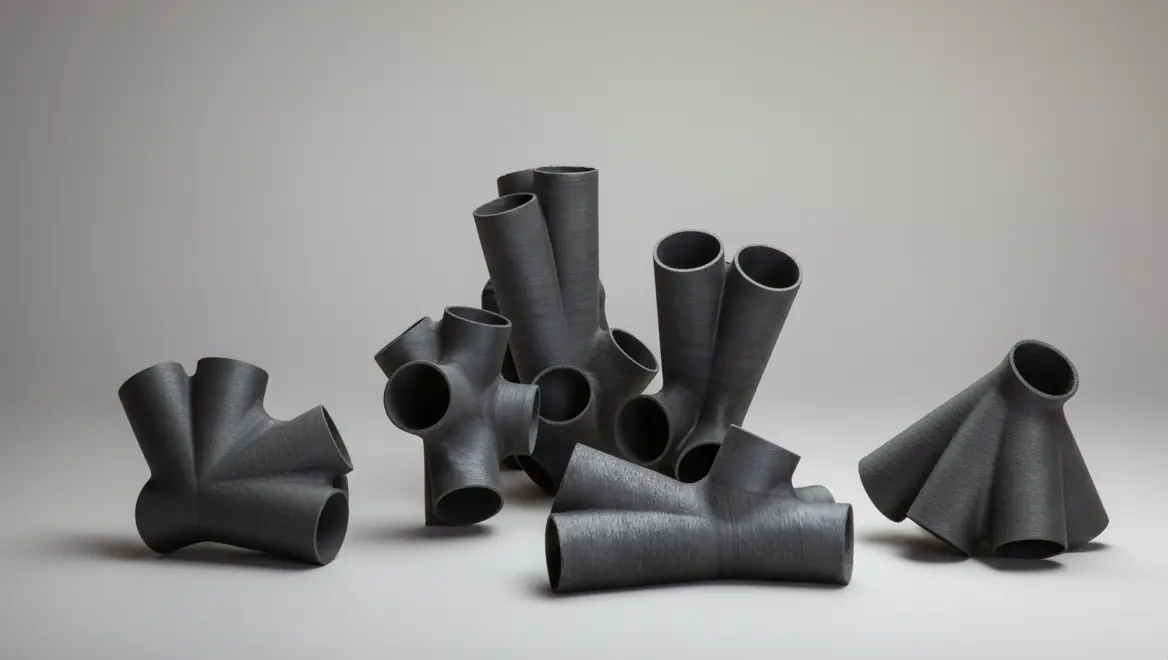
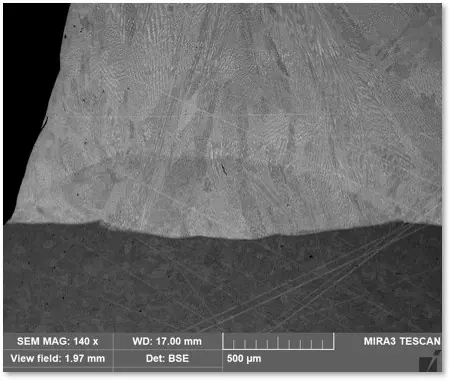
Capability after route choice
Machines, finishing, inspection and data make the process choice practical.
The process choice decides whether LMD, SLM or a hybrid route is sensible. The capability layer then shows the machines, post-processing, quality planning and data support Exafuse brings into the technical review.
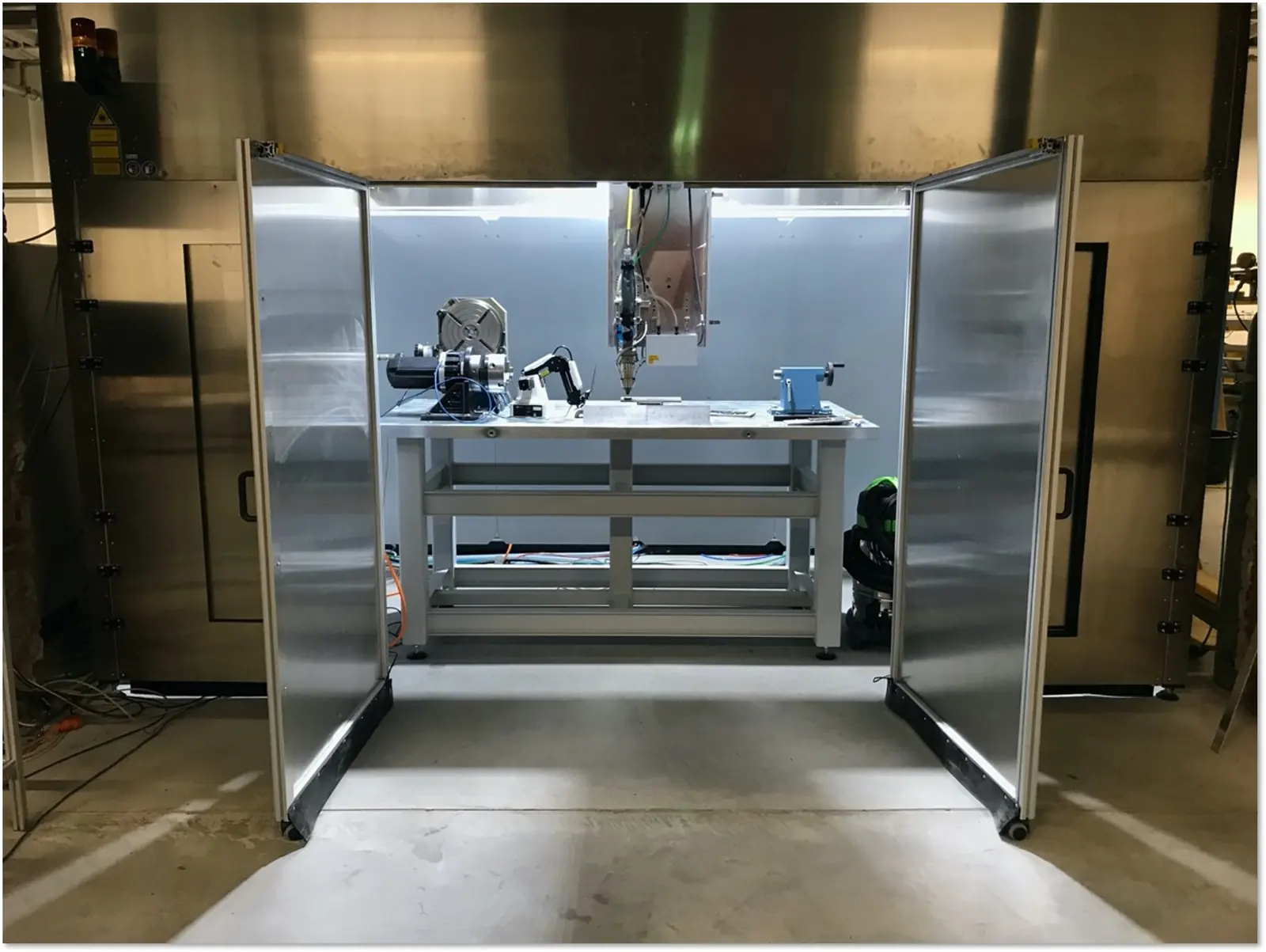
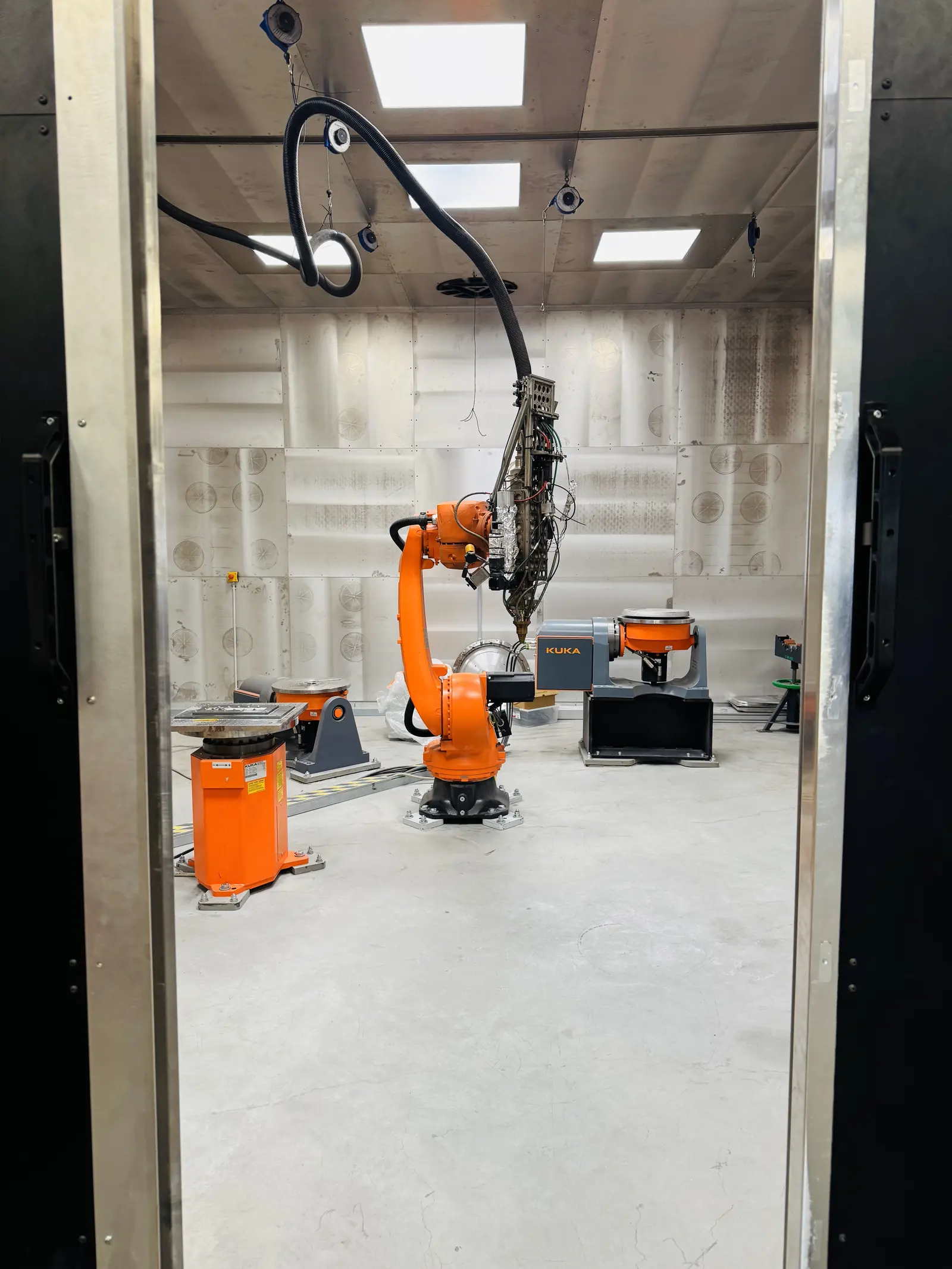
CNC-based LMD machine
Controlled LMD build space with rotary-axis support for build-up, repair and cladding.
- 4 m3 build space
- 2 x 1 x 2 m component window
- Additional rotary axis
6-axis robotic LMD
Contour-following deposition for complex repair and cladding zones.
- 6 x 5 x 4 m installation space
- 2-axis positioning
- 1,000 kg rotary table
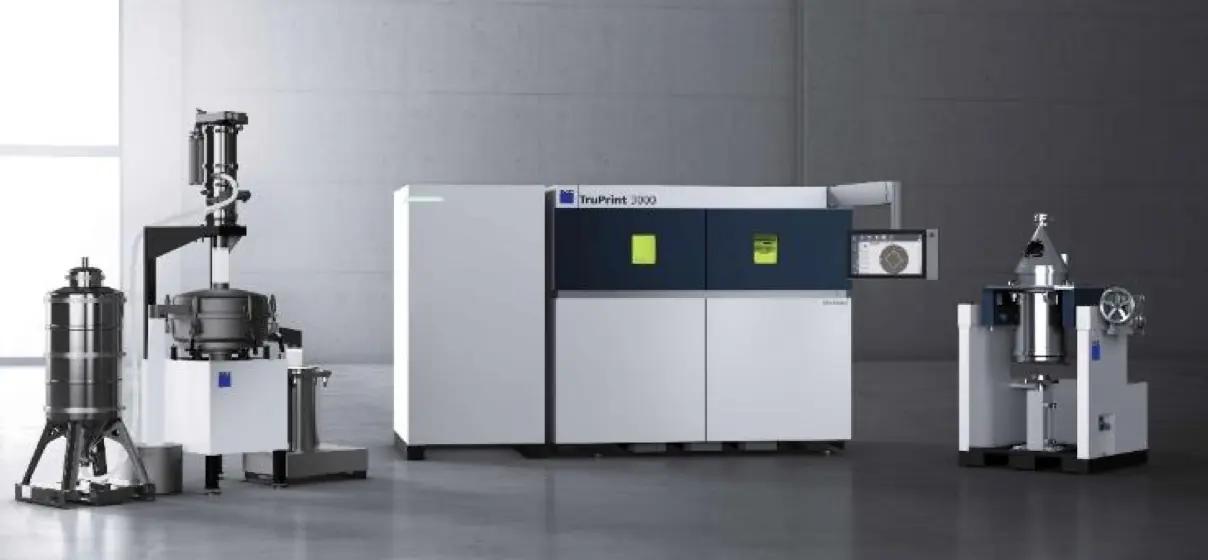
SLM / LPBF
Powder-bed route for compact, detailed metal parts.
- 400 mm platform diameter
- 400 mm build height
- 500 W single laser
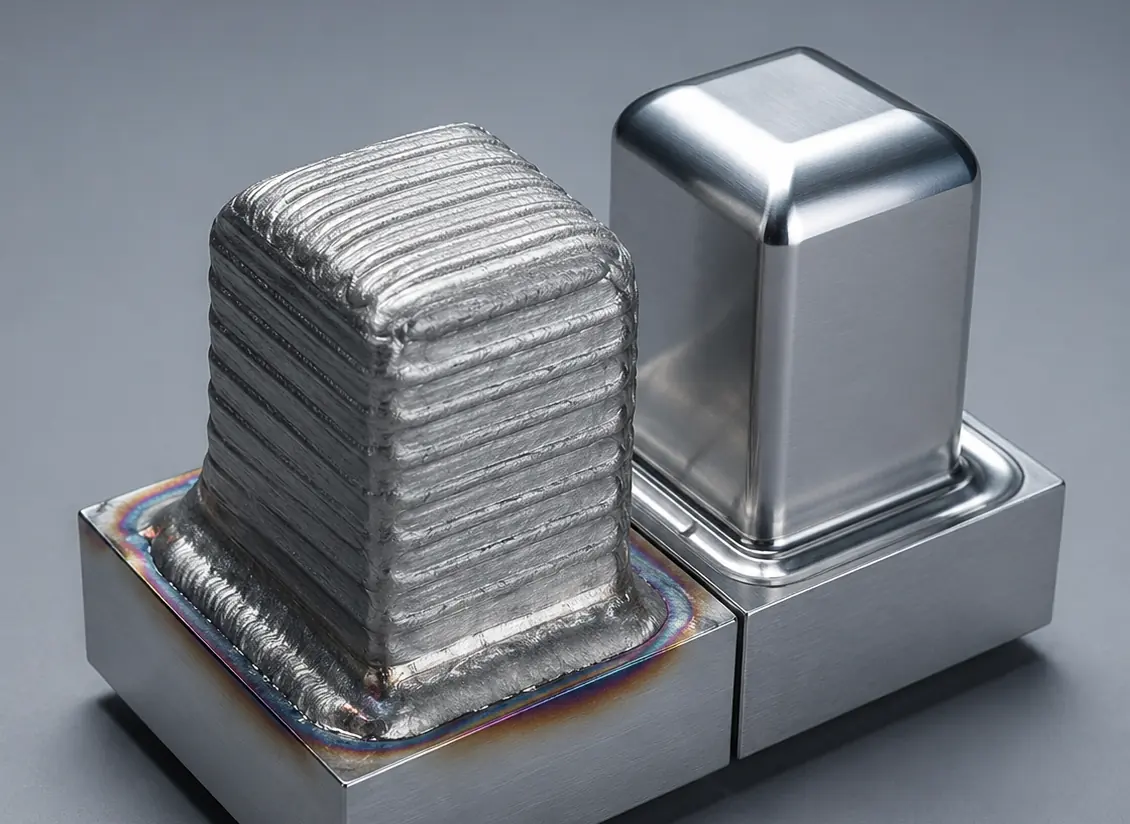
Post-processing
Tolerance, surface and function are planned from the first review.
- Machining
- Grinding
- Project-specific heat treatment
Inspection
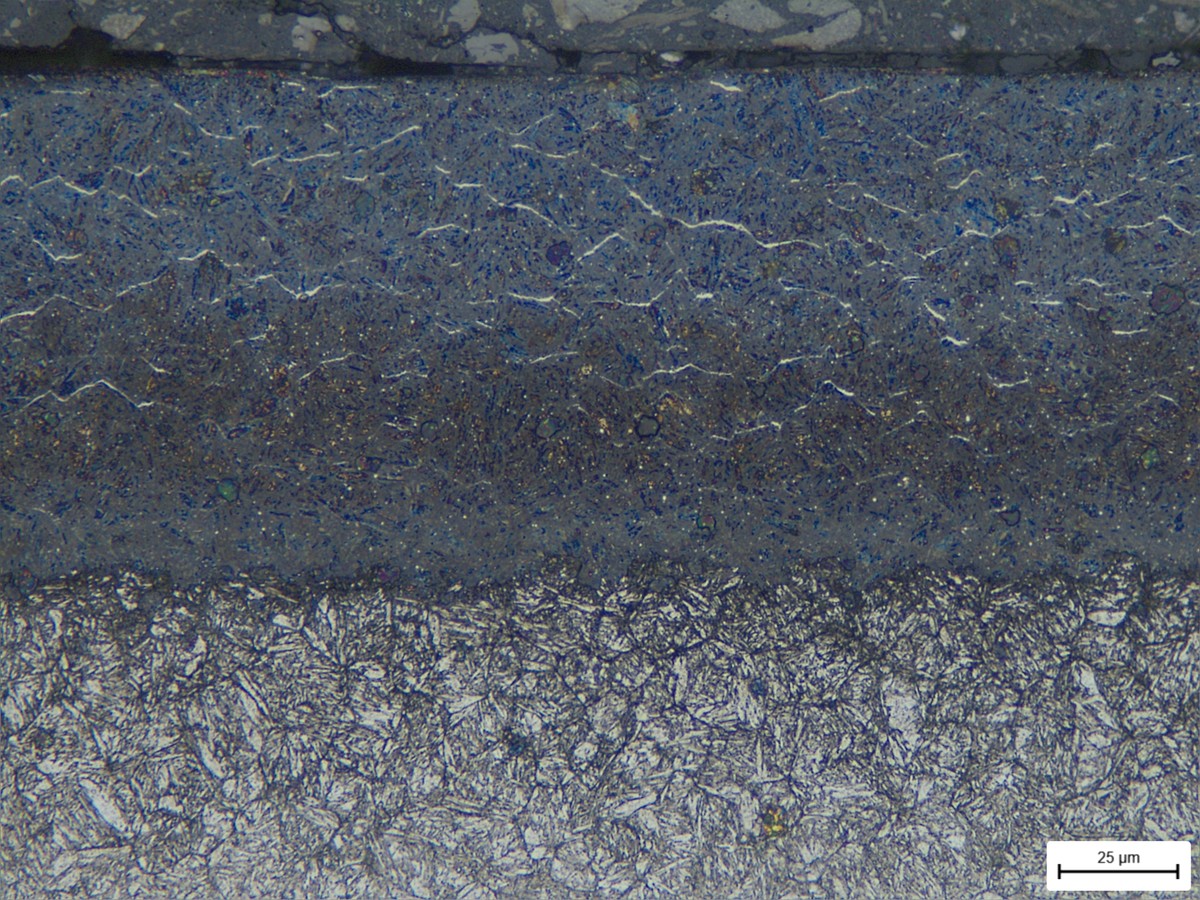
Inspection and metallography logic support release planning.
- Dimensional checks
- Microscopy
- Documentation scope
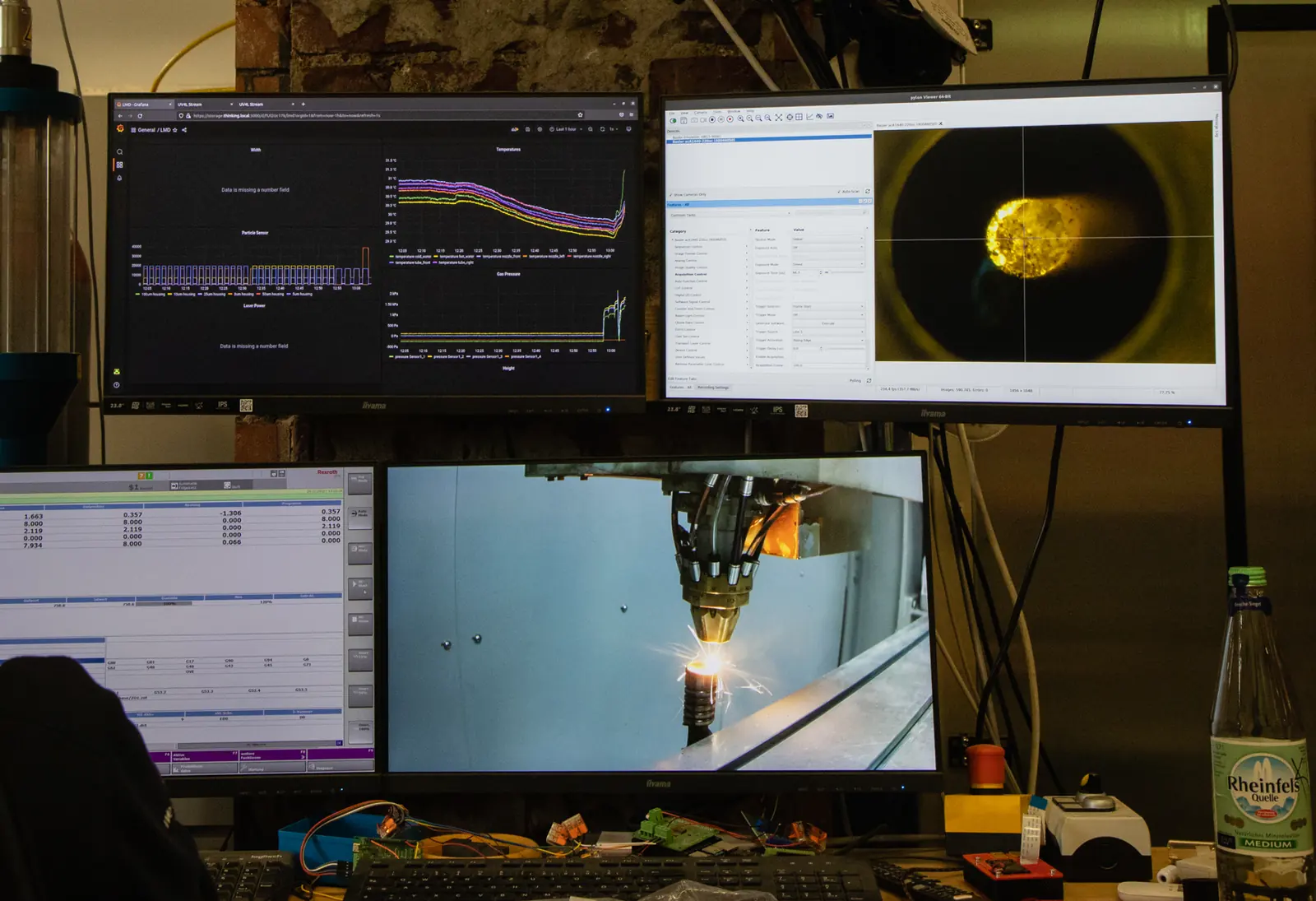
AI / computing
Monitoring and data support process understanding and research.
- Melt-pool images
- Sensors
- No automatic release
Flagship proof
Duisburg bridge components show large structural LMD from CAD to validated production.
Exafuse manufactured more than 750 kg of LMD bridge components for a pedestrian bridge project in Duisburg. The case connects structural nodes, handrails, CAD adaptation, path planning, monitoring and validation in one public large-LMD reference.
750 kg+ LMD components
CAD redesign, path planning, monitoring, validation and final inspection in one public proof story.
Open the case study when you are evaluating large Metal AM parts, robotic LMD, long builds or validation logic.
Open bridge case studyResearch to production
Research projects show where Exafuse is pushing LMD forward.
BreitbahnDED and EIS-KW are public R&D projects around wider deposition tracks, forging-tool heat management, process monitoring and industrial validation for metal additive manufacturing.
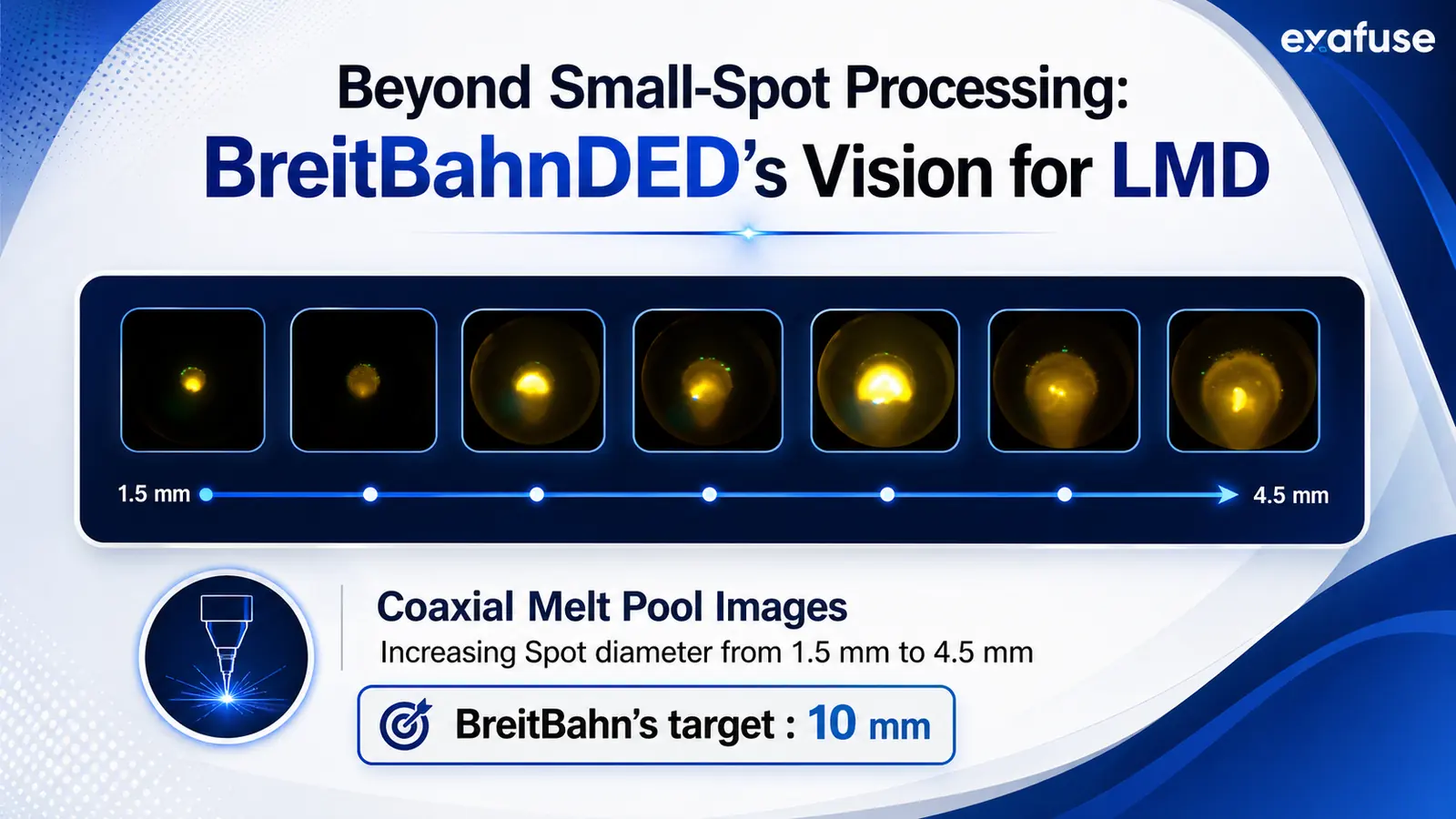
BreitbahnDED
Research into wider and more uniform DED/LMD tracks for large-area deposition, repair and coating routes.
EIS-KW
Research around forging-tool performance, cooling concepts, additive tooling routes and wear evaluation.
Monitoring and control
Sensor-supported process understanding for melt-pool behavior, powder delivery and geometry.
Featured proof
Proof from real repair, coating and LMD scenarios.
Explore application stories for wear protection, geometry restoration, porosity prevention, DfAM and time-critical repair decisions.
Knowledge hub
Practical answers for LMD buyer questions.
Use the knowledge hub to compare LMD with other manufacturing routes, evaluate repair economics, understand alloy selection and prepare better RFQs.
Start with one part
Send the part goal, material, size and deadline.
Exafuse reviews the request and responds with a practical next step: quote, material discussion, test coupon, repair review or process-selection call.