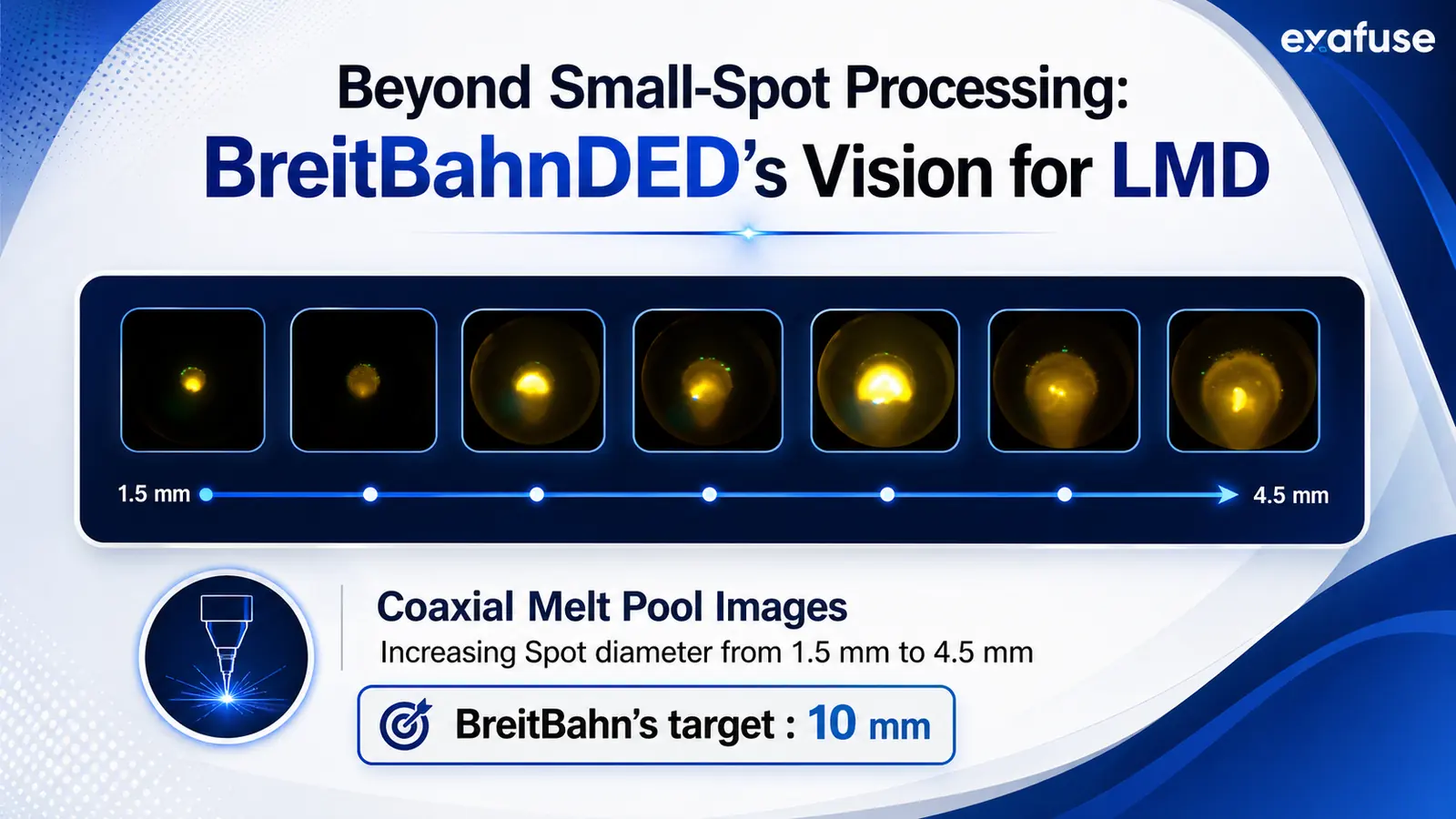
BreitbahnDED
BreitbahnDED frames wider LMD tracks as a research and validation question.
- investigate wider and more uniform DED/LMD tracks
- frame productivity and process-window questions carefully
- keep validation visible as a research task
 Metal additive manufacturing
Research & projects
Exafuse discusses publicly funded projects, collaborative research and development themes here without publishing confidential project data.
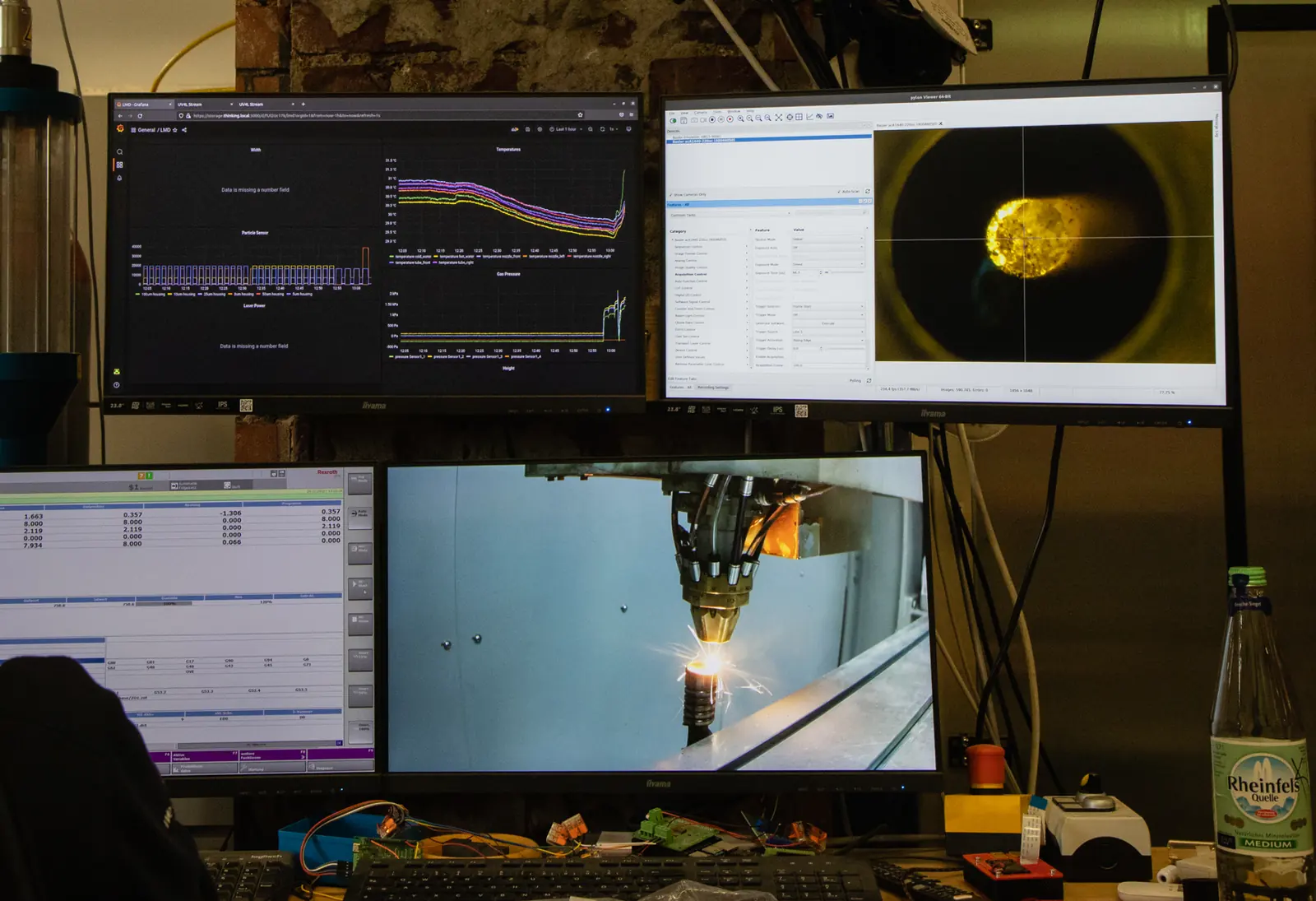
Public collaborative project
The page should make the project context visible: rotating multispot optics, wider tracks, process stability and industrial validation as a research direction.
BreitbahnDED
Public collaborative project
The public context belongs to additive manufacturing as a whole: SLM / LPBF for compact functional geometry, LMD for local material addition and hybrid routes when manufacturing, finishing and inspection need to be planned together.
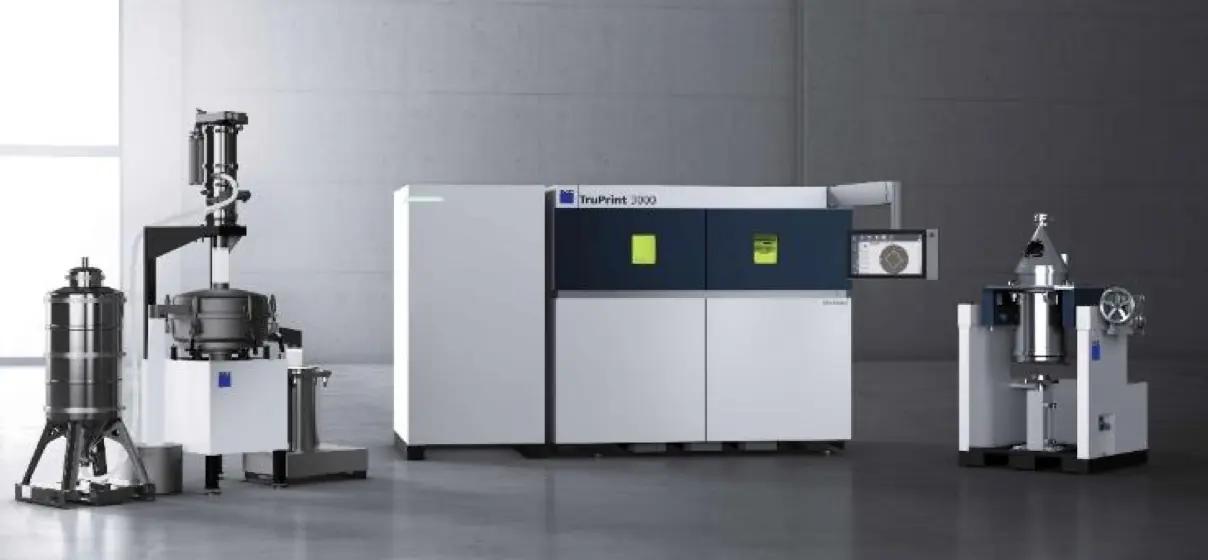
Additive tooling route
How the work is organized
The page avoids internal project promises. It shows public project lines and explains which data becomes relevant for industrial decisions.
BreitbahnDED and EIS-KW are explained as released project contexts: what is public, which technical question is central and where protected project data begins.
Internal development work is published only where it can be explained as process understanding, monitoring boundaries, image processing or decision logic.
What research makes visible
This layout keeps the research story readable: one strong visual, clear process questions and a boundary between process understanding, AI support and physical inspection.
Monitoring and AI
Exafuse role
The public explanation stays deliberately practical: process route, monitoring, validation and input data instead of broad performance promises.
Research themes
The themes connect LMD / DED-LB/M, SLM / LPBF, monitoring, AI and inspection. The cards link to public pages and stay inside released context.
Sensor and image data help Exafuse understand LMD processes more clearly. They do not replace part release.
02 / AI AI as decision supportModels can prioritize signals and review triggers, but they still need inspection, metallography and engineering review.
03 / SLM / LPBF Additive tooling conceptsEIS-KW belongs to additive manufacturing as a whole: SLM / LPBF, LMD, cooling concepts, material route and validation.
04 / DED-LB/M Wider deposition tracksBreitbahnDED examines more productive DED/LMD tracks for larger areas, repair and coating.
05 / Validation Inspection and boundariesResearch stays credible when each monitoring or process claim says what it can show and what it cannot prove.
Research articles
These pages explain monitoring, AI-assisted control and neural-network image processing without exposing confidential model data, process parameters or customer results.
Article
Melt-pool monitoring in LMD is useful when it helps engineers see process behavior, compare signals with physical evidence and decide what needs closer review. It should not be sold as stand-alone proof of final part quality.
Article
AI in Laser Metal Deposition is strongest as decision support, process-image interpretation and structured technical review. It becomes risky when model outputs are treated as autonomous quality release or closed-loop control...
Article
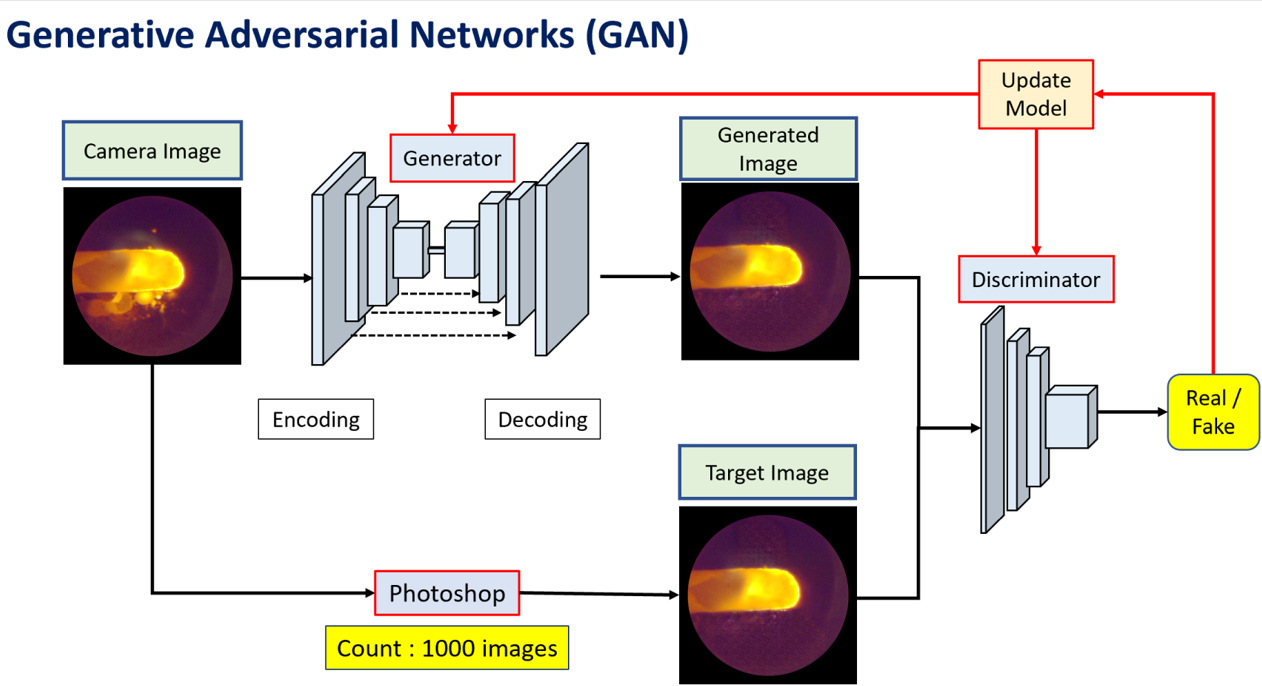
Pix2Pix-style neural networks can support LMD image-processing research by translating process images into more useful visual representations, but generated outputs must be validated against real inspection and process context.
Article
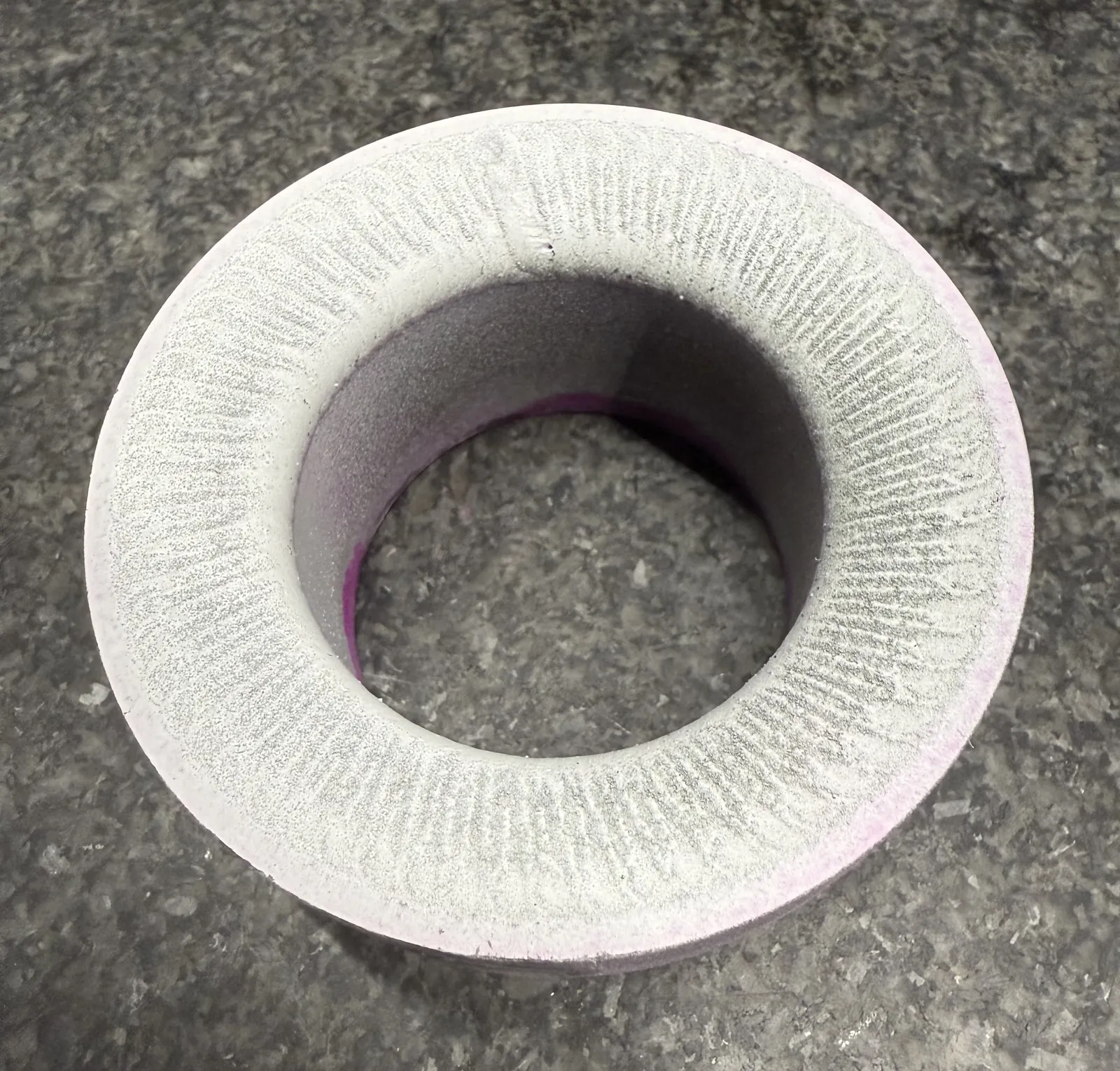
Hard Co-based LMD coatings on ring geometries need more than a powder selection. Geometry, preheating, layer strategy, powder-feed direction, travel-speed review and dye inspection decide whether a wear coating is technically...
Article
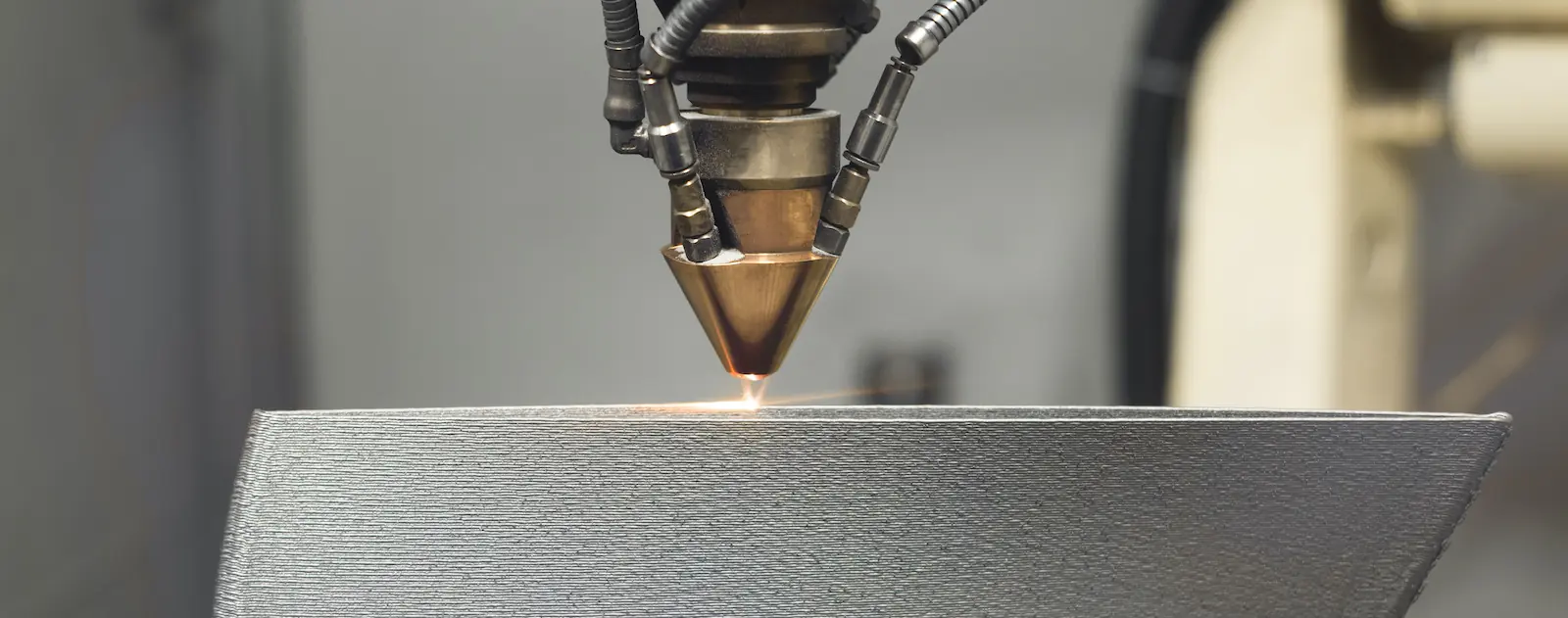
This is the central Exafuse hub for industrial buyers comparing Laser Metal Deposition, DED, DED-LB/M, laser cladding, repair, large-part manufacturing, validation and AI-assisted process monitoring.
Article
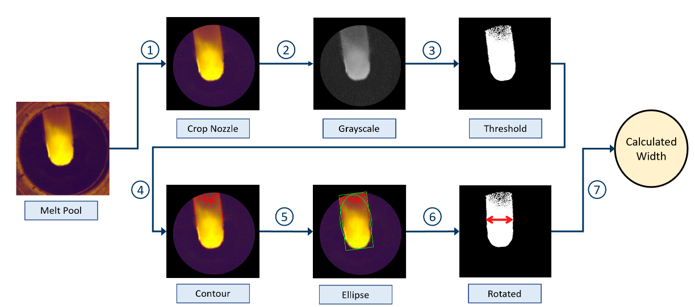
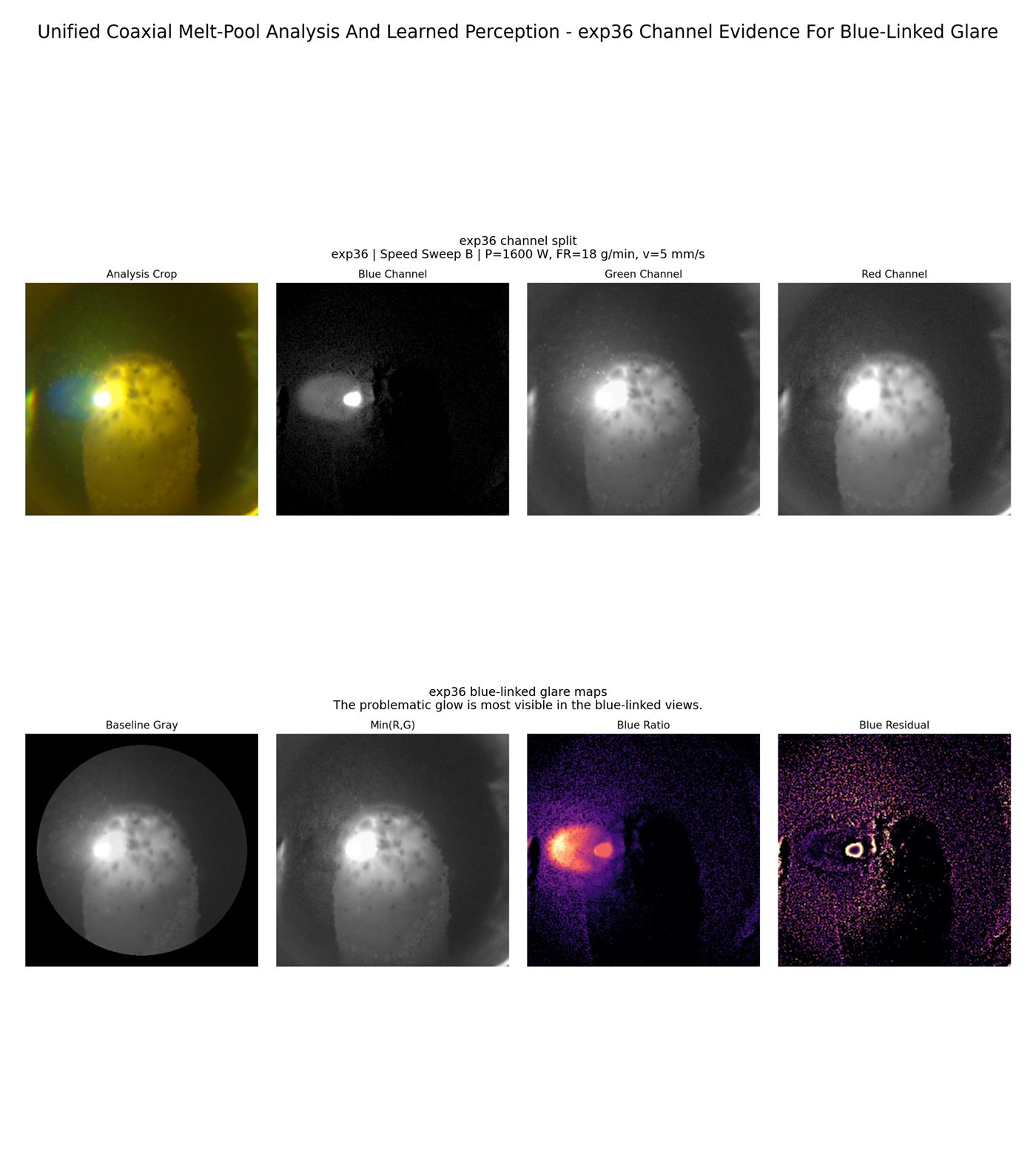
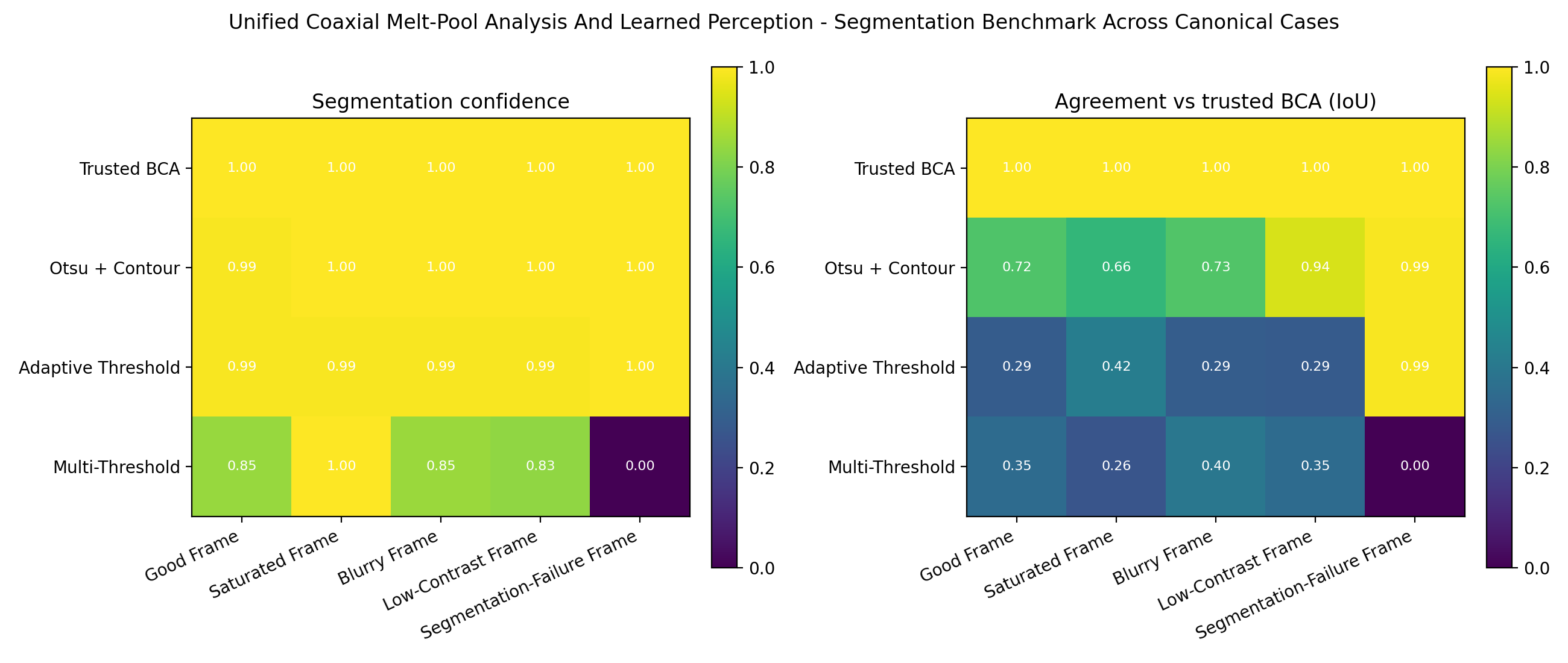
Computer vision can improve melt-pool monitoring in LMD, but only when teams control dataset drift, false positives, false negatives and the gap between image patterns and physical part quality.
Article
A useful LMD monitoring pipeline does more than collect images. It links camera signals, process metadata, engineering context, review logic and physical inspection so the data supports a real decision.
Article
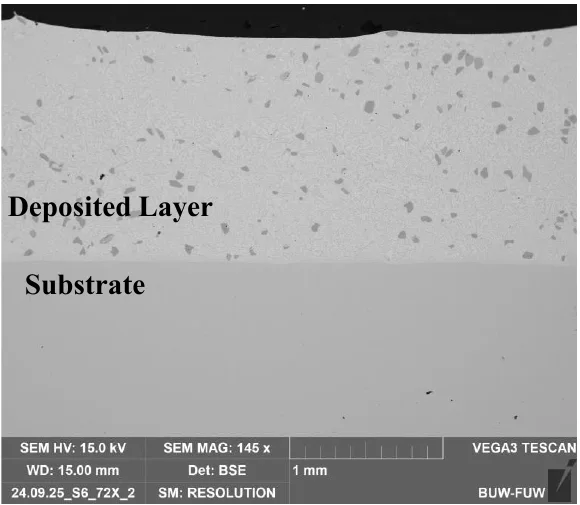
AI outputs in Laser Metal Deposition become credible only when they are tested against physical inspection. The validation route has to connect model outputs to dimensional checks, microscopy, metallography and documented...
Article
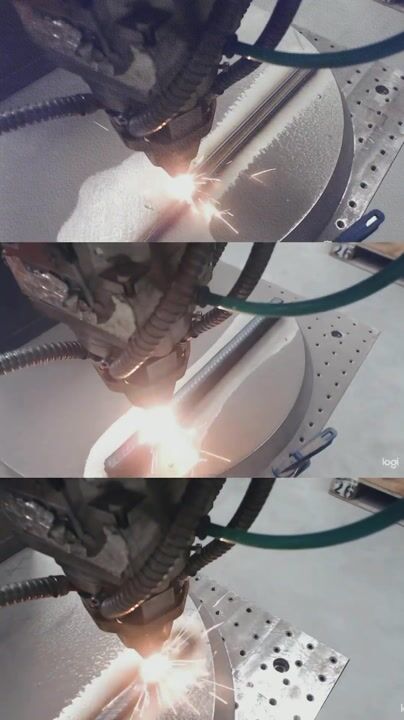
LMD coating development becomes credible when coating trials, cross-sections, SEM/EDX, hardness checks, finishing allowance and inspection planning are connected instead of treating the final surface photo as the whole proof.
Article
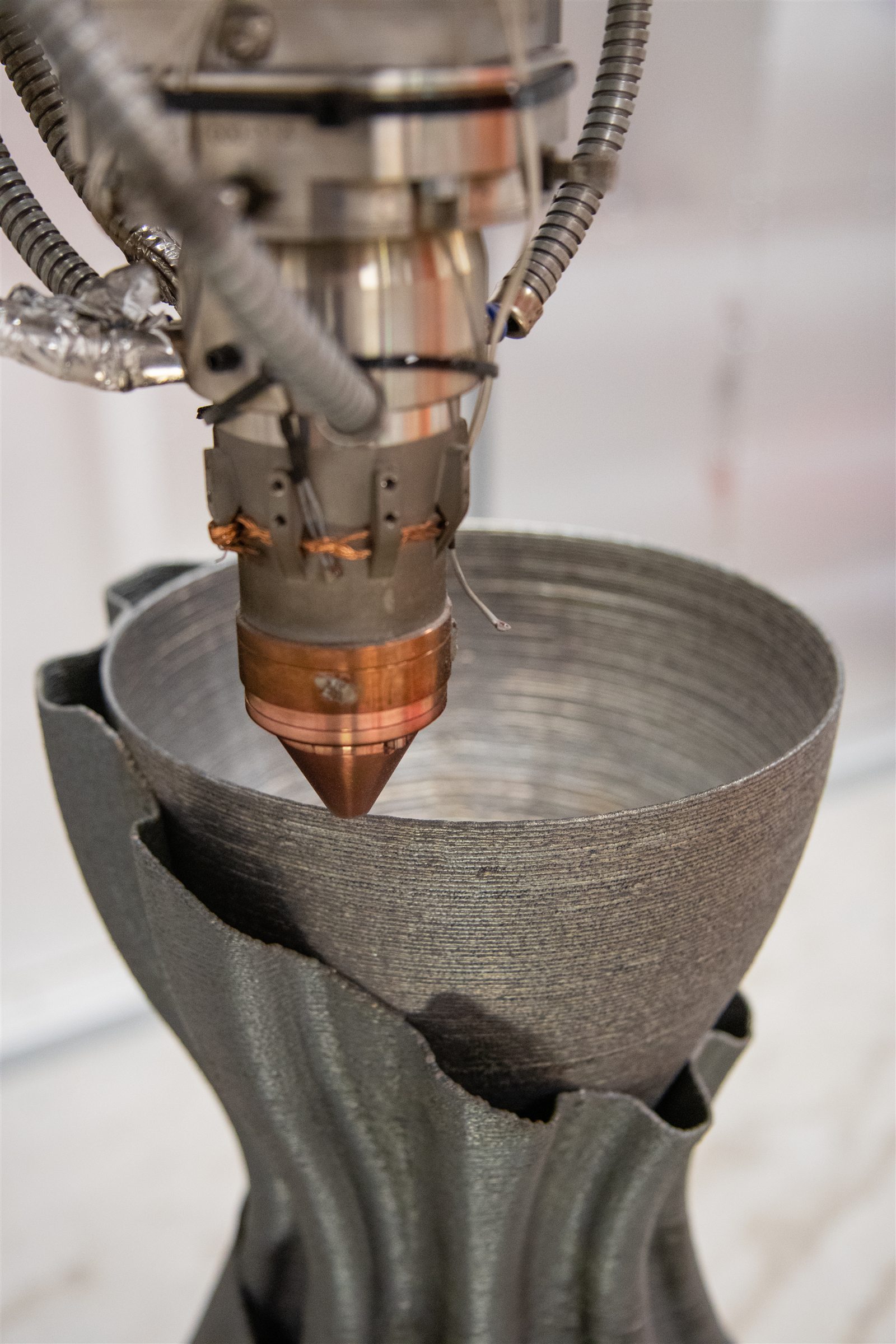
LMD test walls are a practical powder-development screen: they create deposited material for processability review and later testing before a team commits to a full component trial.
Article
A 750 mm multi-material LMD demonstrator is useful proof when the buyer needs to understand thin-wall geometry, material zoning, long build planning and validation boundaries before production claims.
Article
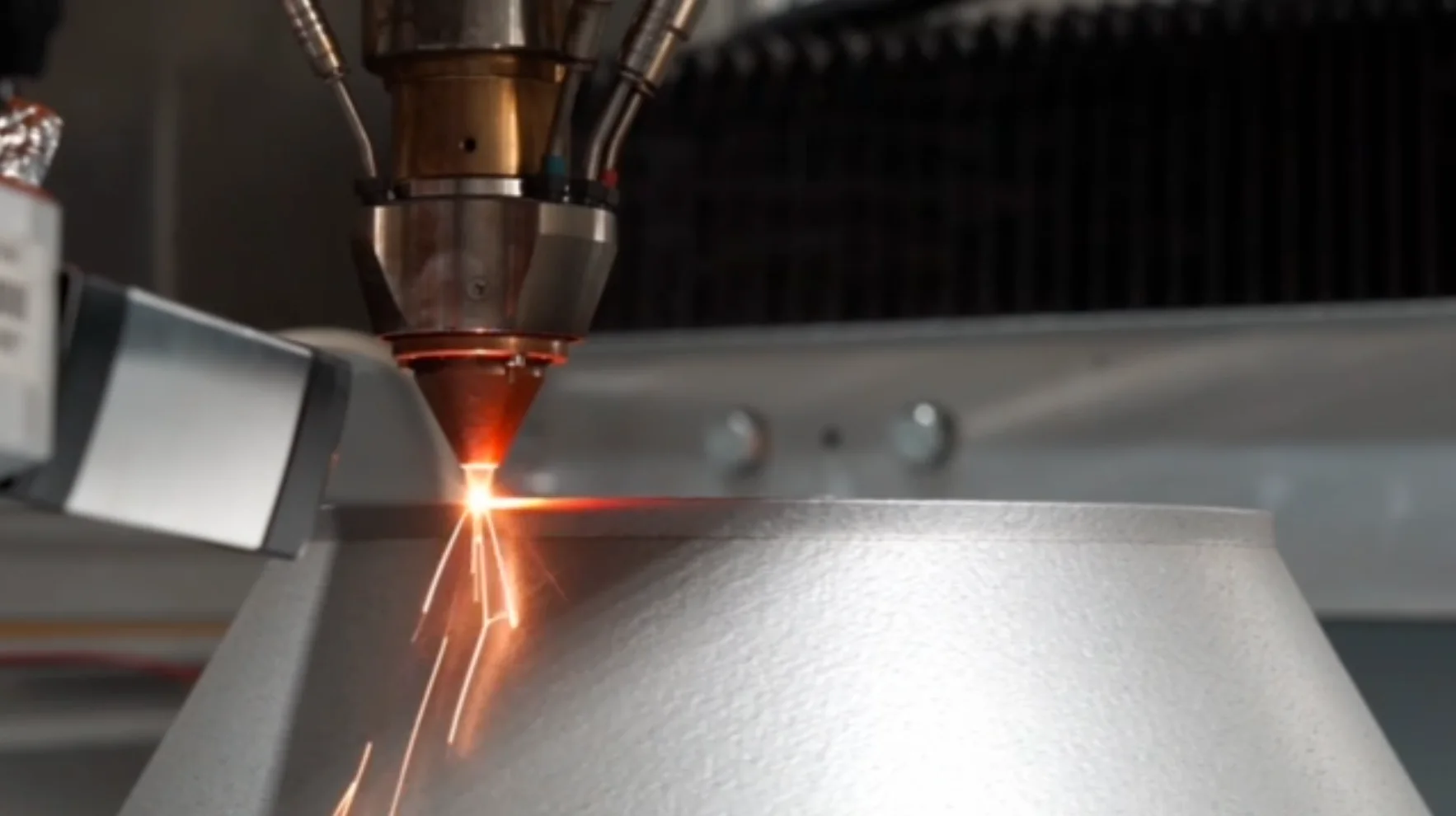
A 300 mm Inconel 718 thin-wall LMD demonstrator shows where additive buildup can reduce material waste and create a physical proof part, while production use still needs application-specific inspection and validation.
Article
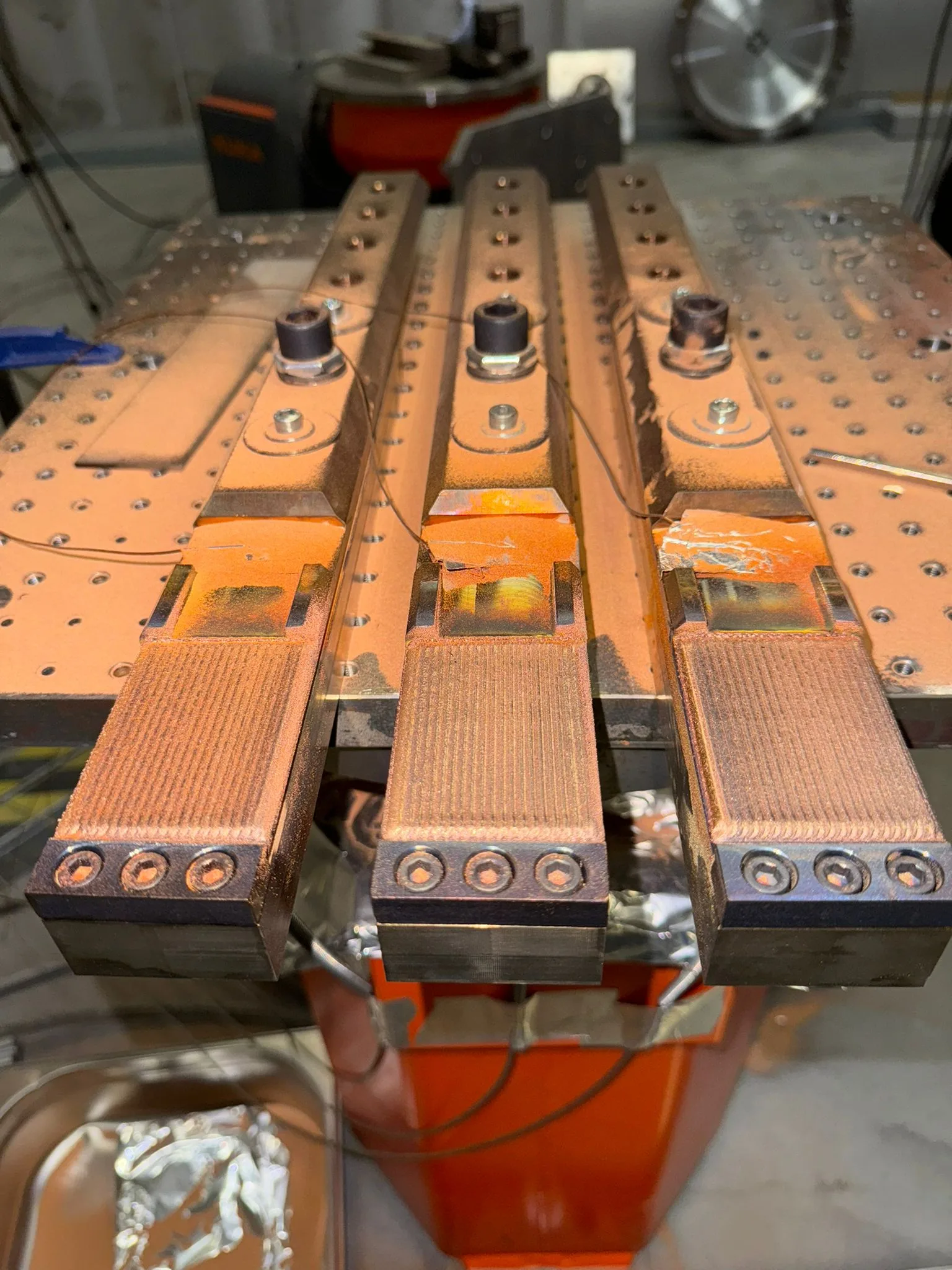
A copper-substrate rotor-wedge coating story shows how LMD process planning changes when heat flow, absorption, fixture strategy, temperature monitoring and coating uniformity matter as much as deposition itself.
Article
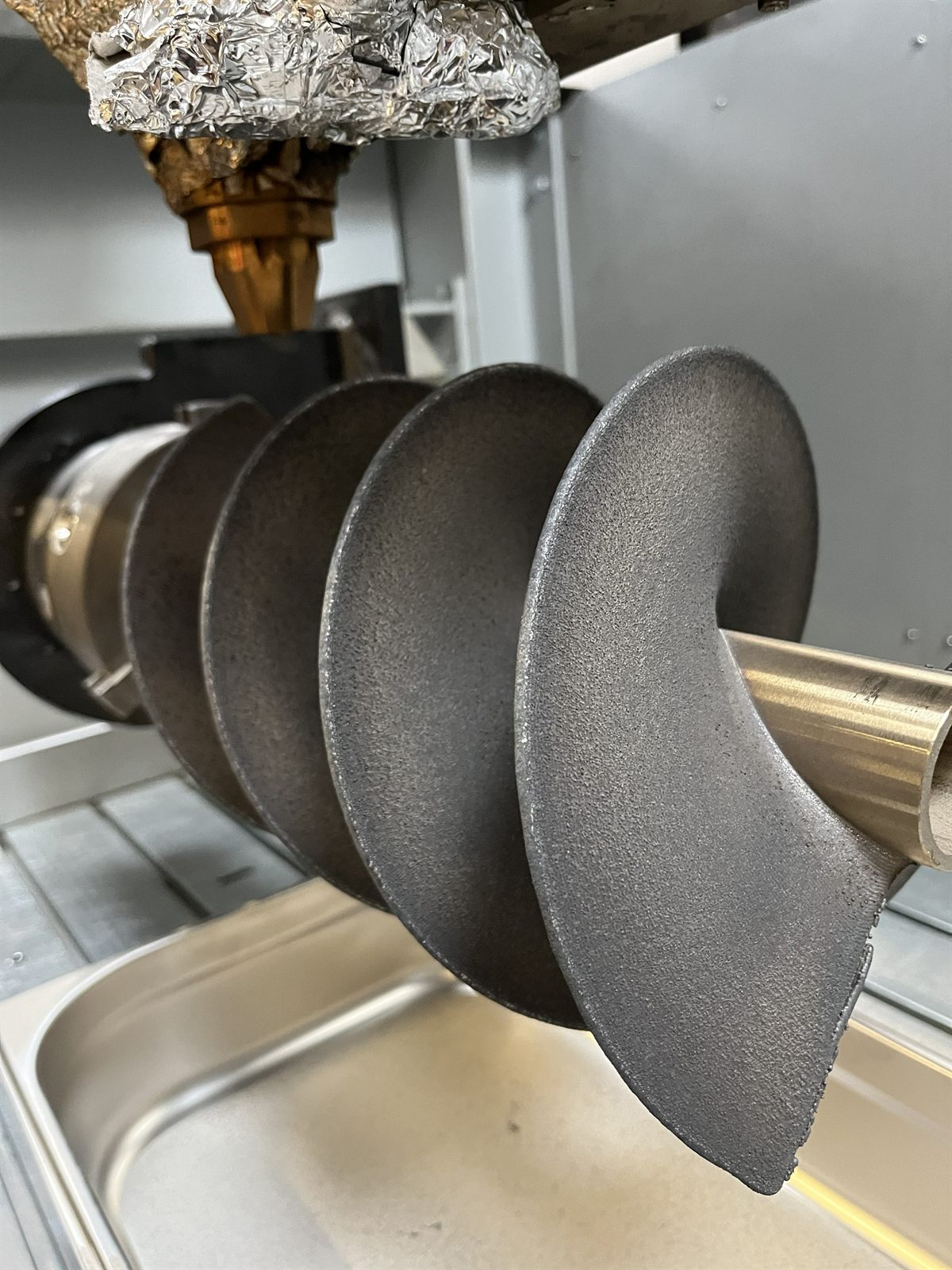
A 3 kW helical impeller prototype shows how metal 3D printing can turn complex rotating-part geometry into a physical feedback loop for measurement, assembly review, balance discussion and redesign.
Article
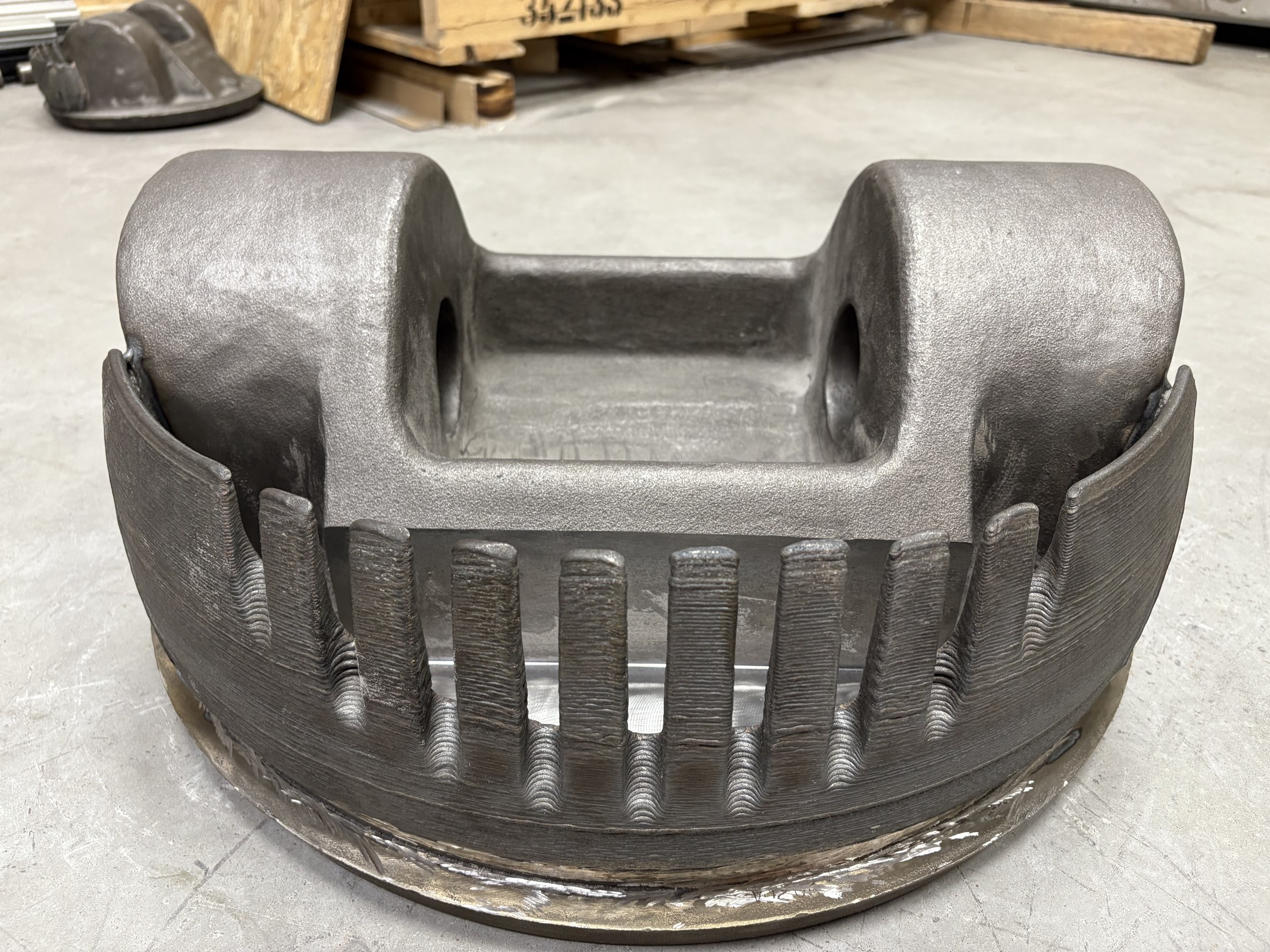
A public part-modification proof shows how Laser Metal Deposition can add local metal features to an existing component so engineering teams can test geometry changes without remaking the full part first.
Article
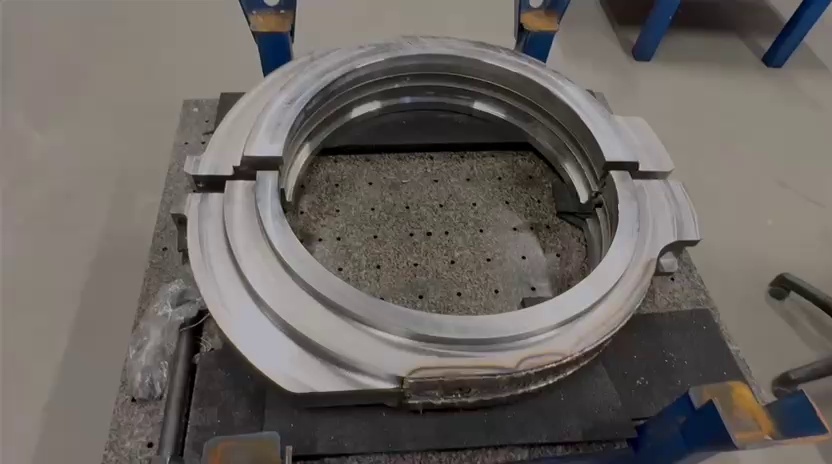
A public hardfacing proof shows how Laser Metal Deposition can apply a wear-resistant coating to a curved mining-machine holder surface while keeping the process recipe, material stack and qualification data project-specific.
Article
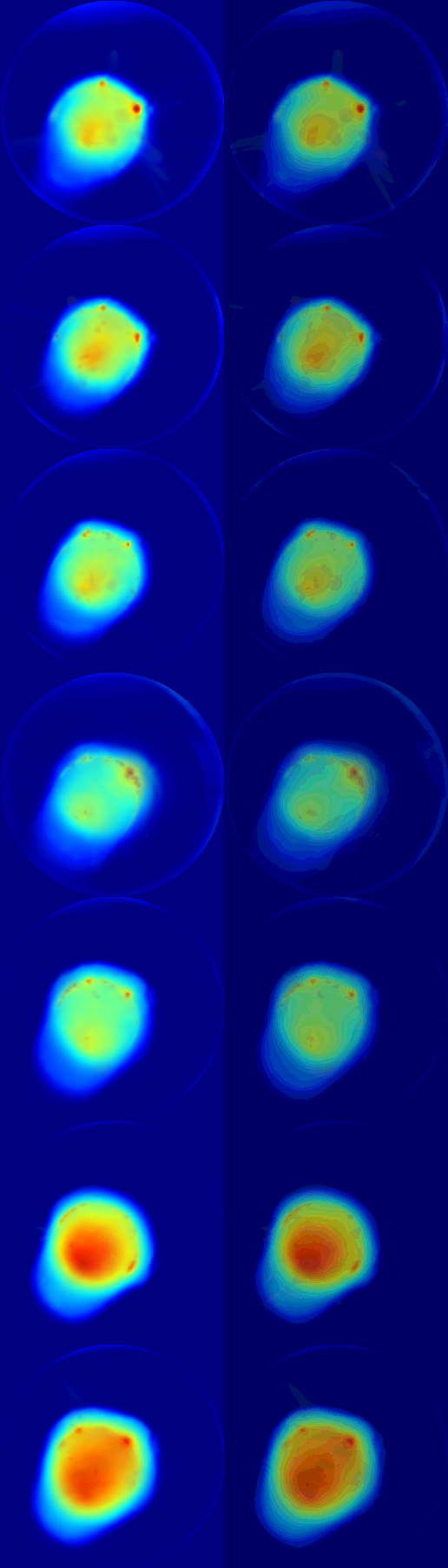
Exafuse uses thermal and coaxial melt-pool monitoring to make LMD process behavior measurable during development, while keeping inspection and metallography in the validation loop.
Article
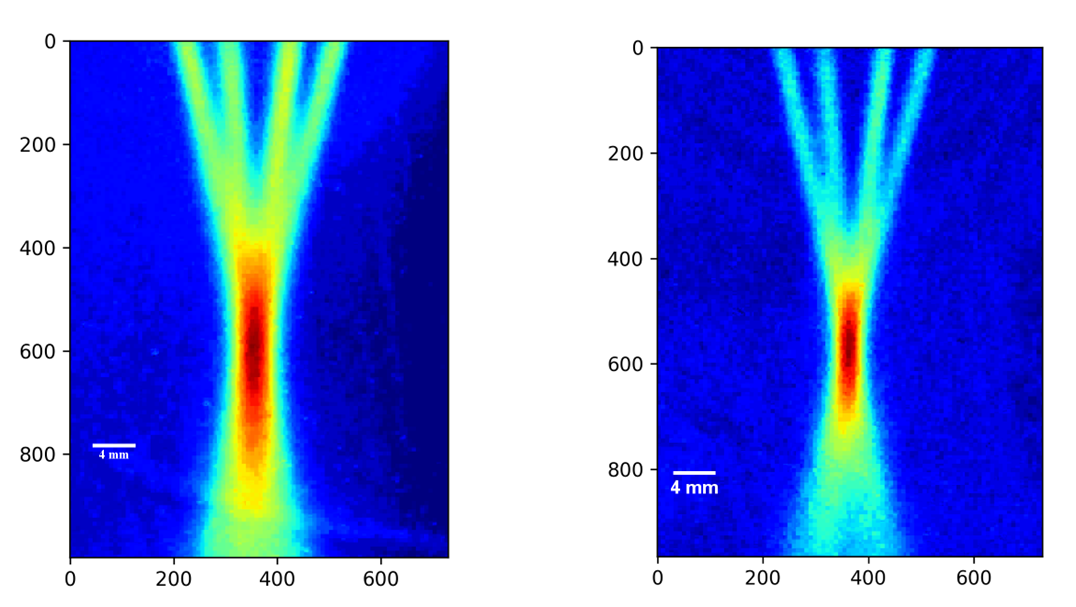
Powder-stream diagnostics help Exafuse see whether an LMD nozzle is delivering a focused, symmetric and repeatable powder cone before a full deposition trial is run.
Article
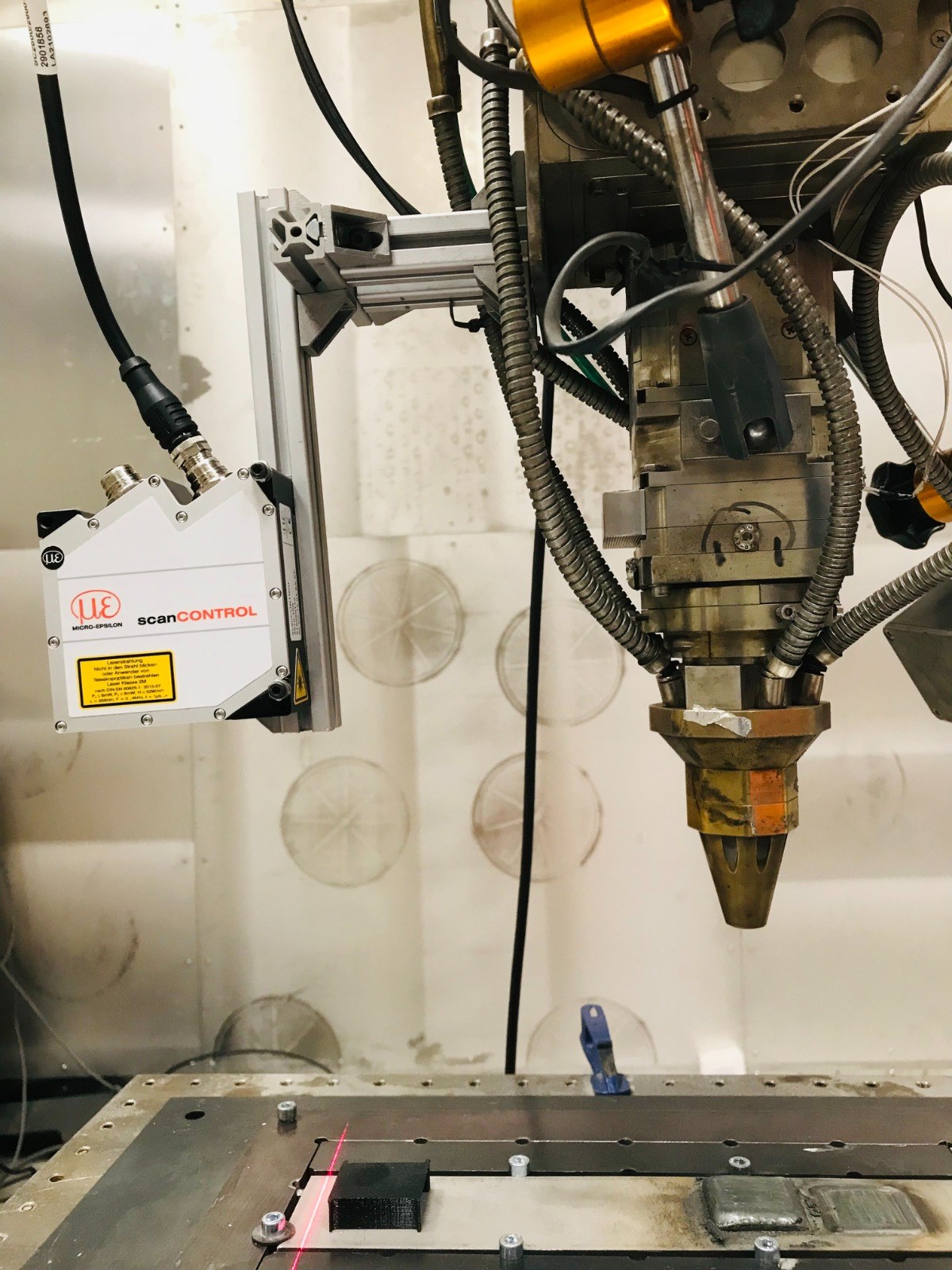
Exafuse uses scanner-supported geometry capture to connect measured surfaces with LMD cladding and contour-following robot path preparation.
Article
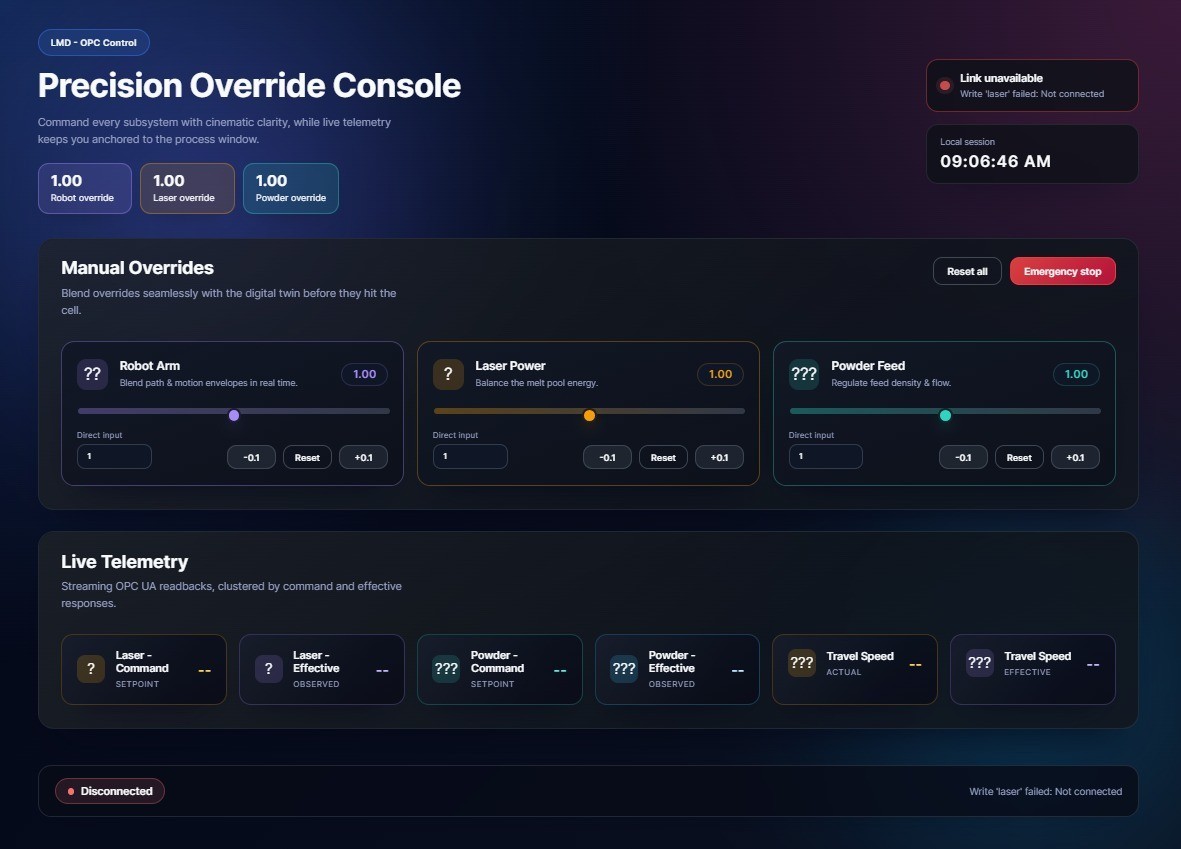
Exafuse develops a supervised software stack that connects sensor acquisition, analysis, operator control and machine communication for traceable LMD process-development work.
Article
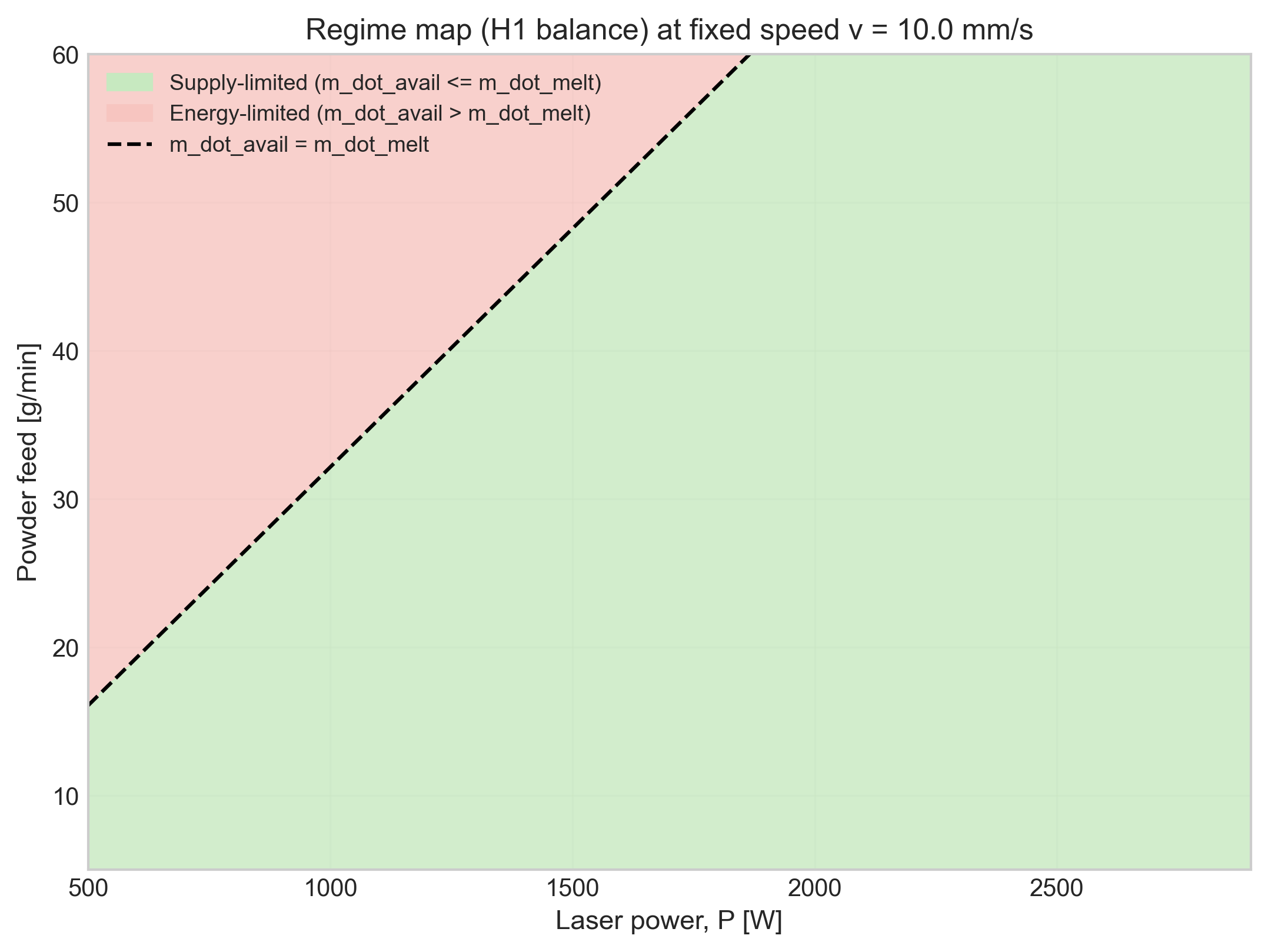
Reduced-order process models help Exafuse screen candidate LMD conditions and plan more useful experiments without replacing physical validation.
Article
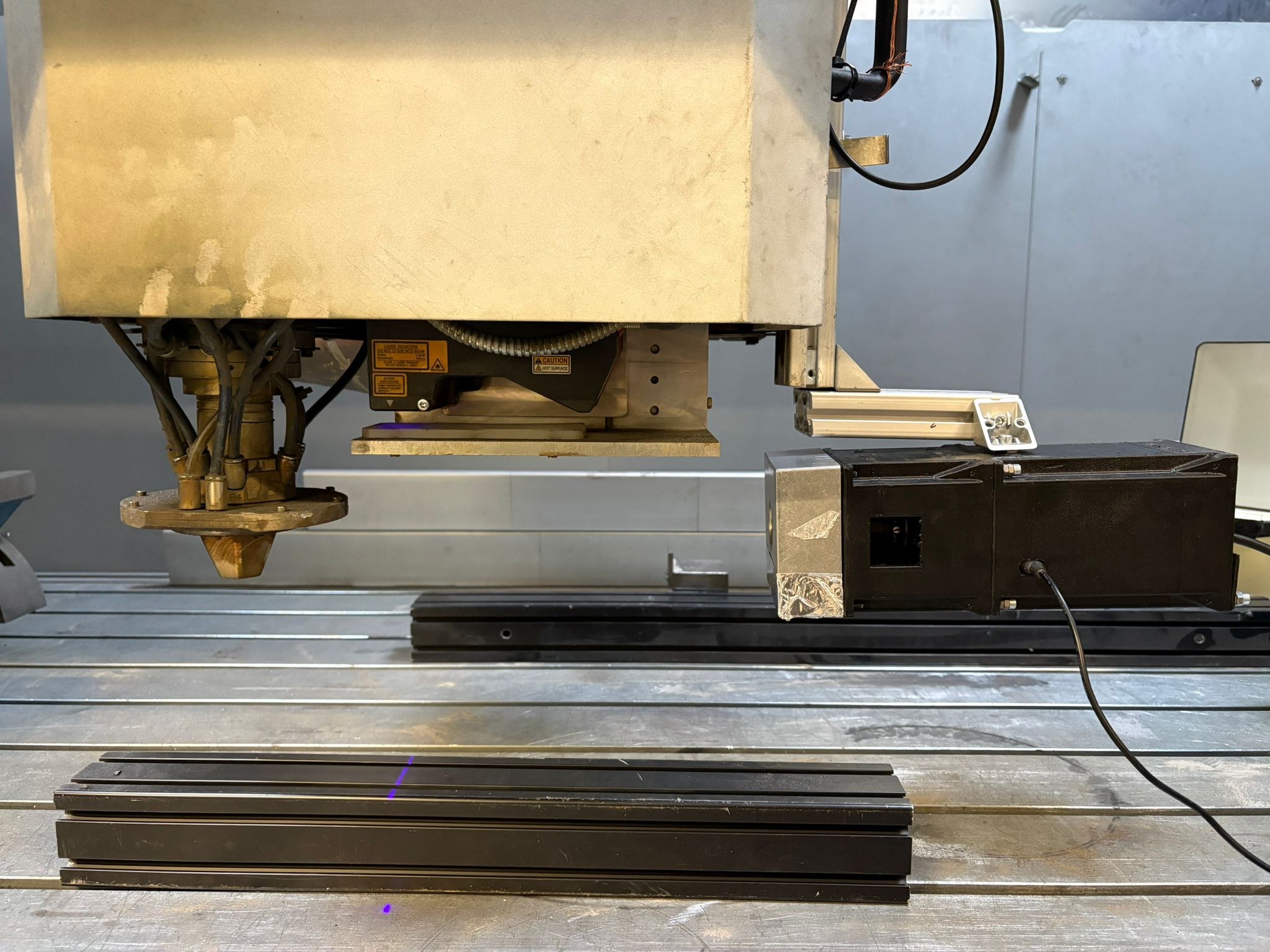
Standoff and height sensing help Exafuse treat process-head distance as a measurable LMD signal instead of a hidden setup risk.
Article
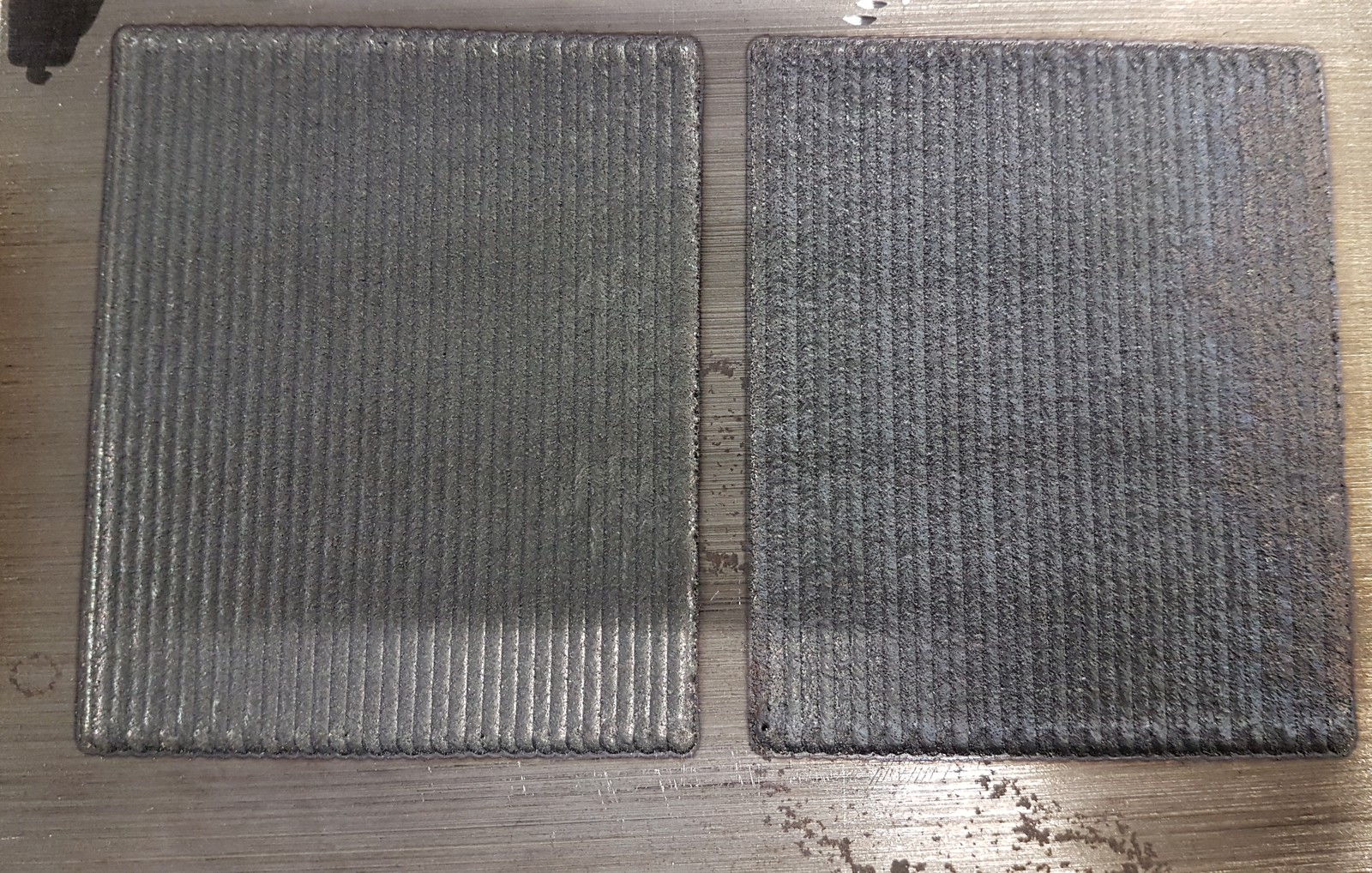
Exafuse researches tungsten-carbide-containing LMD hardfacing routes by combining coupon trials, crack screening, surface review and metallographic evidence.
Recommended next steps
Jump to the closest service, proof story, technical article, FAQ or request route without scanning the whole site.
Move from BreitbahnDED into LMD productivity, monitoring and quality evidence.
2 more related items are available through the linked hub pages.
Route OEM, R&D and product teams into a controlled feasibility discussion.
One more related item is available through the linked hub pages.