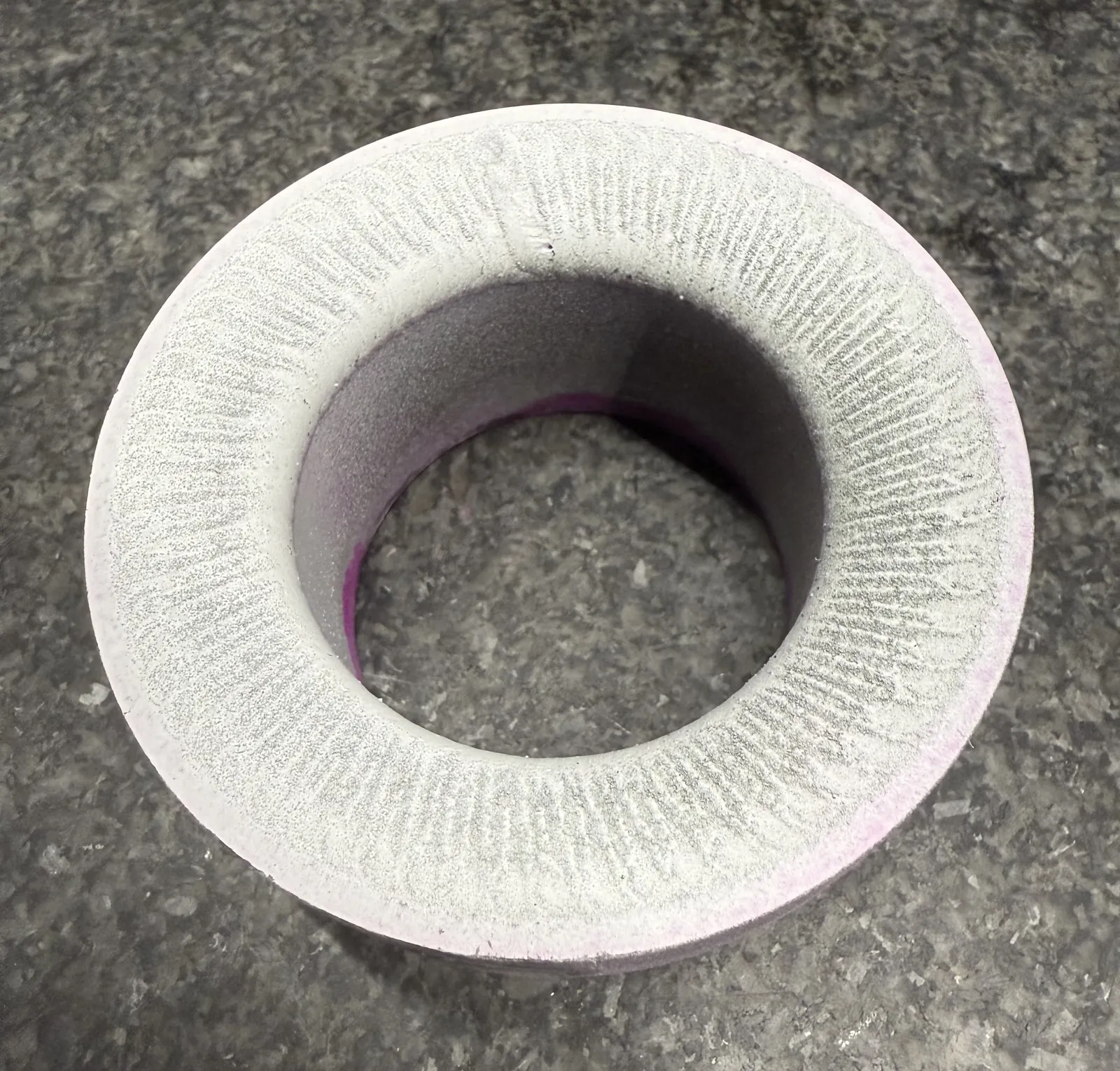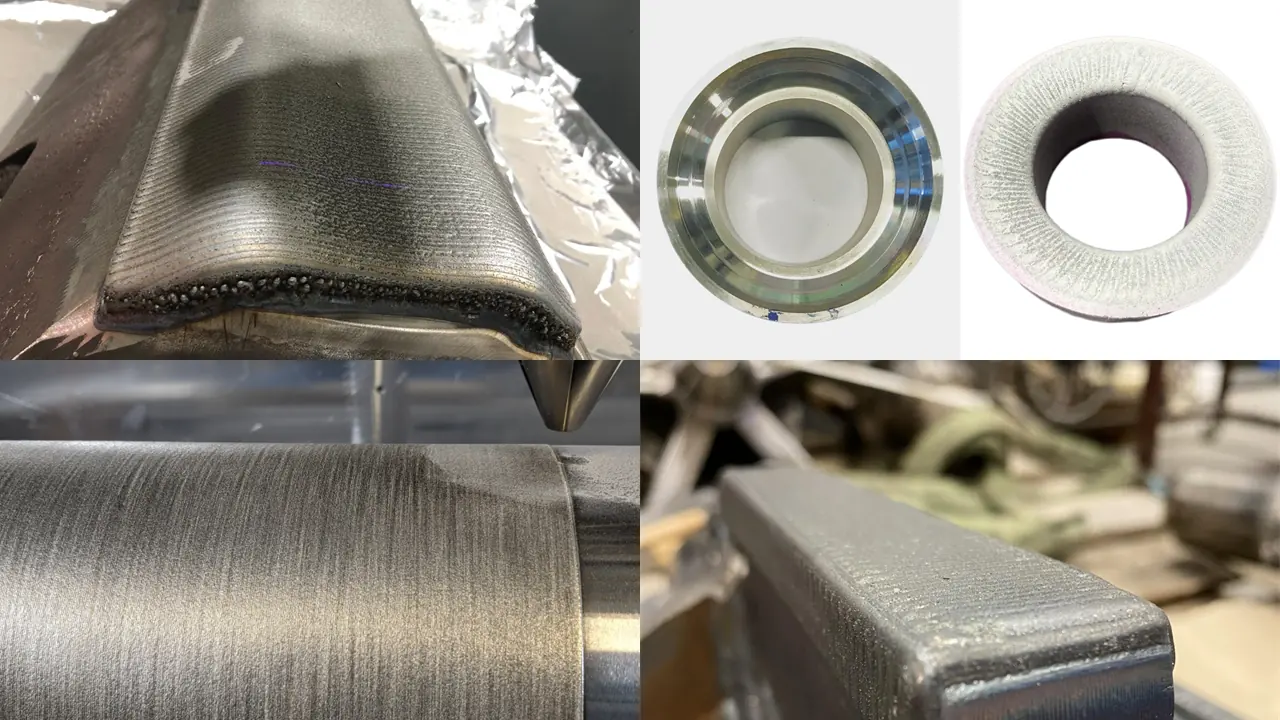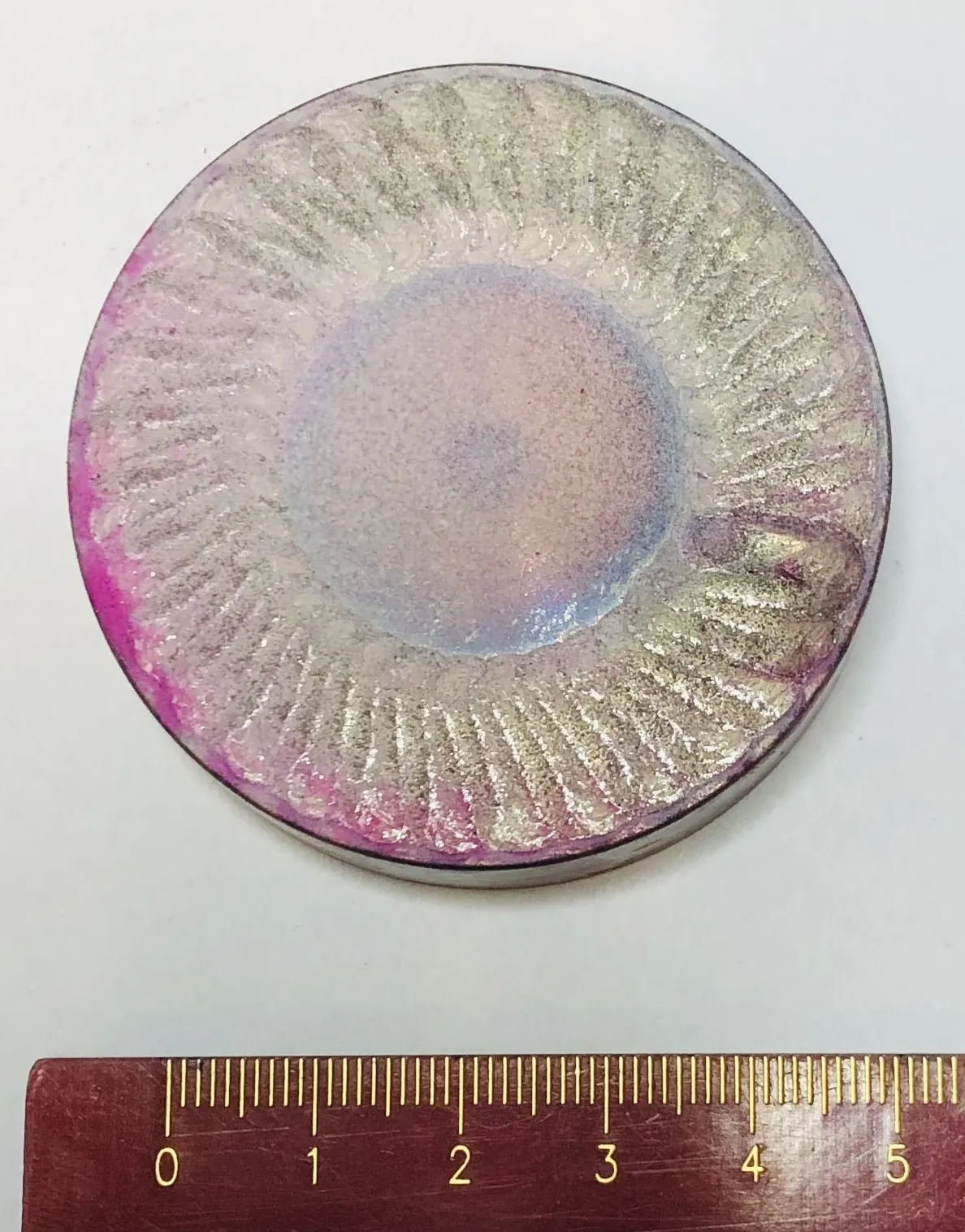
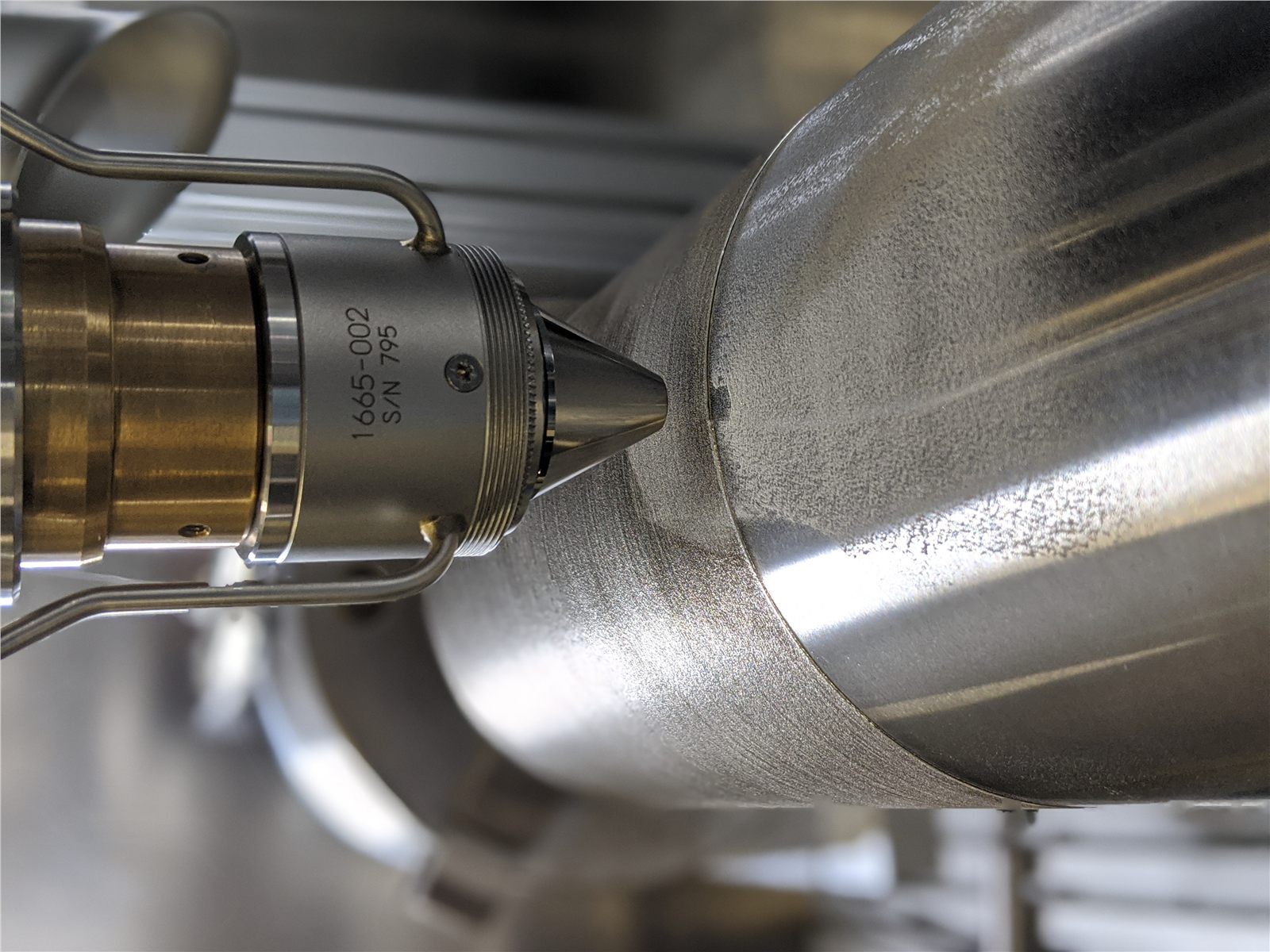
Large cylindrical wear parts are good laser-cladding candidates when the part body still has value but the working surface needs local restoration or upgrade. This case uses a large cylindrical component, a finished-cylinder image and a short process video to show the practical handling and access logic.
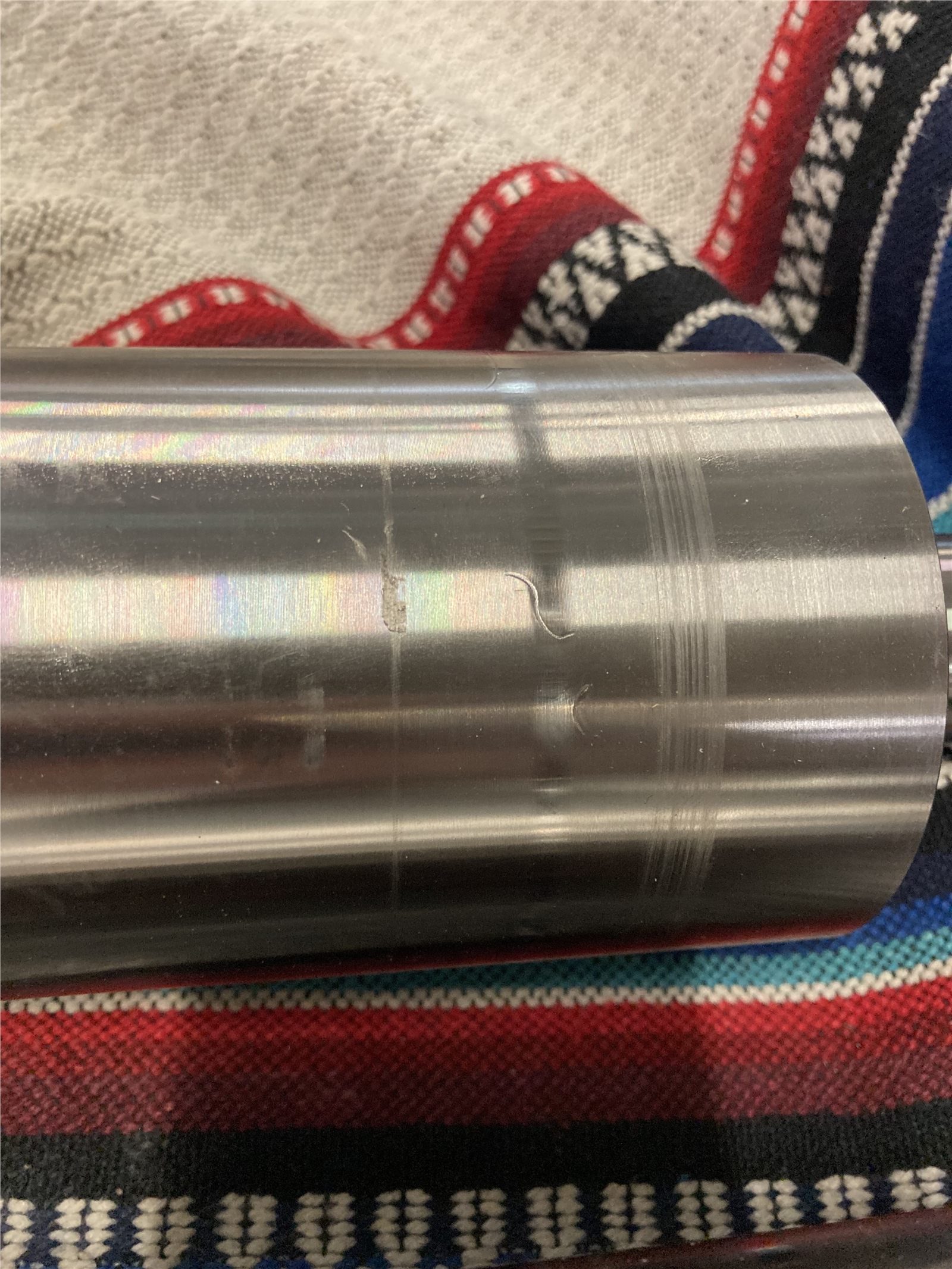
Case snapshot
| Component family | Large rollers, cylinders, shafts and rotating wear surfaces |
|---|---|
| Route | LMD / laser cladding on a cylindrical surface with handling and rotation planning |
| Media | Process image, finished-cylinder image and a local short process video |
| Claim boundary | Public visual context, not a customer release report |
Why large cylindrical cladding needs careful setup
The main difficulty is not only depositing metal. The laser, powder stream, part rotation, fixture, thermal state, surface overlap and finishing allowance have to work together. A large cylinder can be valuable enough to justify restoration, but only if the cladded zone can later be measured, finished and inspected.
Route used for review
- Define the surface zone, target build-up and final finish.
- Check handling, rotation and access for the LMD head.
- Plan coating overlap, thermal behavior and start/stop strategy.
- Deposit material locally and keep finishing allowance in view.
- Inspect surface condition and define what evidence is needed before use.
What this proves
- Large cylindrical parts can be discussed as practical LMD cladding candidates.
- Visual process evidence helps buyers understand access, part rotation and surface planning.
- The same project type needs coating, finishing and inspection planning from the start.
What this does not prove
- It does not publish the customer identity, geometry, process parameters or release data.
- It does not guarantee that every roller or cylinder can be cladded without trial work.
- It does not replace roundness, runout, surface finish and inspection criteria.
What to send for a roller or cylinder review
- Diameter, length, weight and photos of the working surface.
- Base material, operating duty and current failure mode.
- Target layer thickness, final diameter, roundness or runout needs.
- Allowed finishing route and inspection requirements.
- Deadline, handling constraints and whether the part can be shipped or rotated.
Structured case facts
| Entity | Large cylindrical LMD cladding case |
|---|---|
| Topic | Laser cladding for rollers, cylinders and rotating wear surfaces |
| Suitable when | Valuable cylindrical parts where the working surface drives the repair decision |
| Not suitable when | Unknown material, no finishing route, inaccessible coating zone or unclear acceptance criteria |
| Relevant service | Laser cladding |
| Relevant tool | Material selector |
| Claim boundary | Visual process context only; final acceptance is project-specific. |