
Tungsten-carbide hardfacing is attractive when a metal part needs local resistance to abrasion, sliding wear, erosion or repeated contact. The concept is simple; the process is not.
The short answer
Exafuse uses LMD as a research platform for carbide-containing hardfacing systems. The work compares powder combinations, deposited tracks, cracking behavior, surface condition and metallographic evidence before moving toward real part applications.
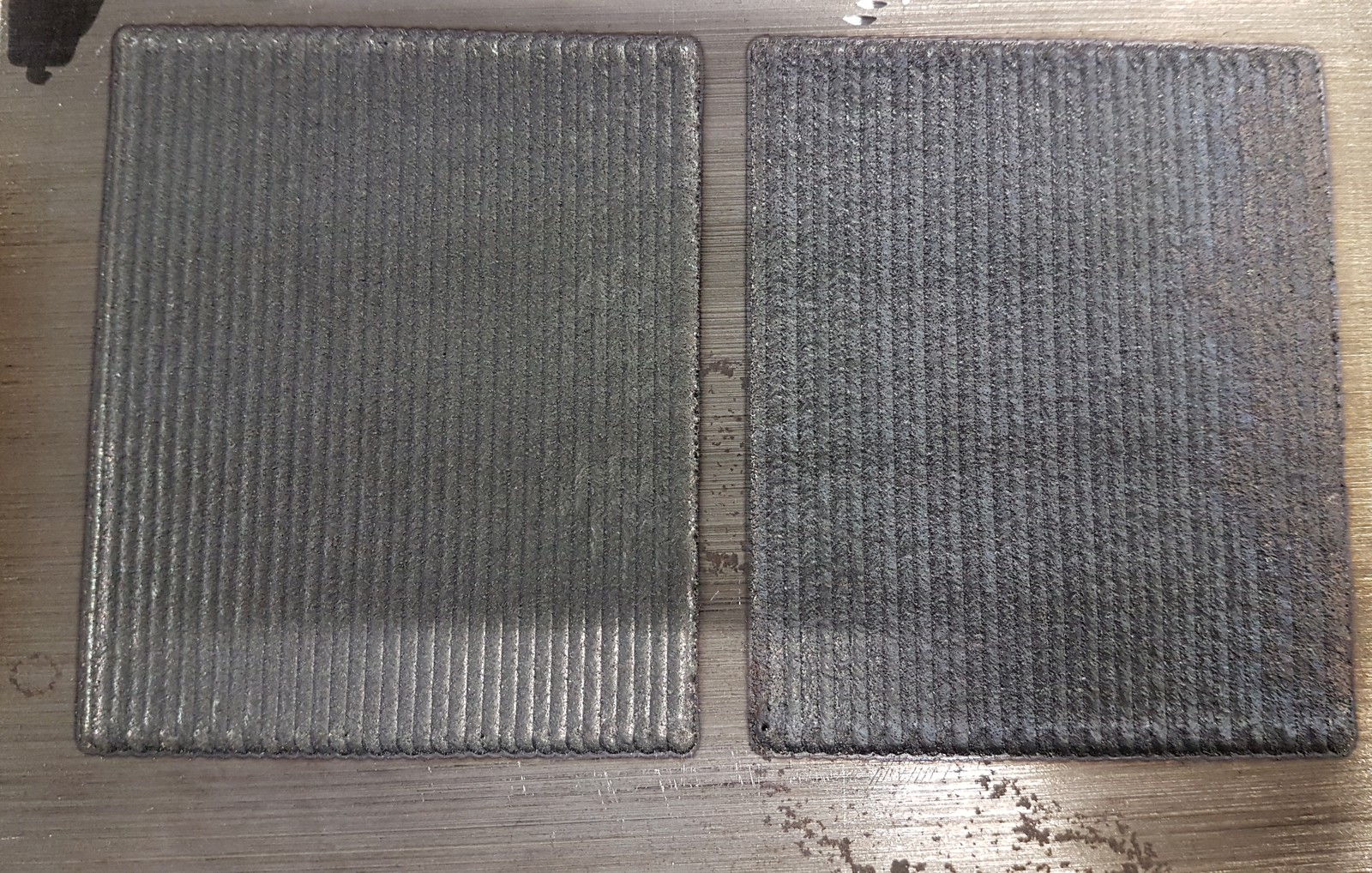
Why carbide hardfacing needs research
Hard phases can improve wear resistance, but they also change cracking risk, heat sensitivity, matrix behavior and machinability. The process has to keep hard phases useful while creating a bonded, inspectable layer.
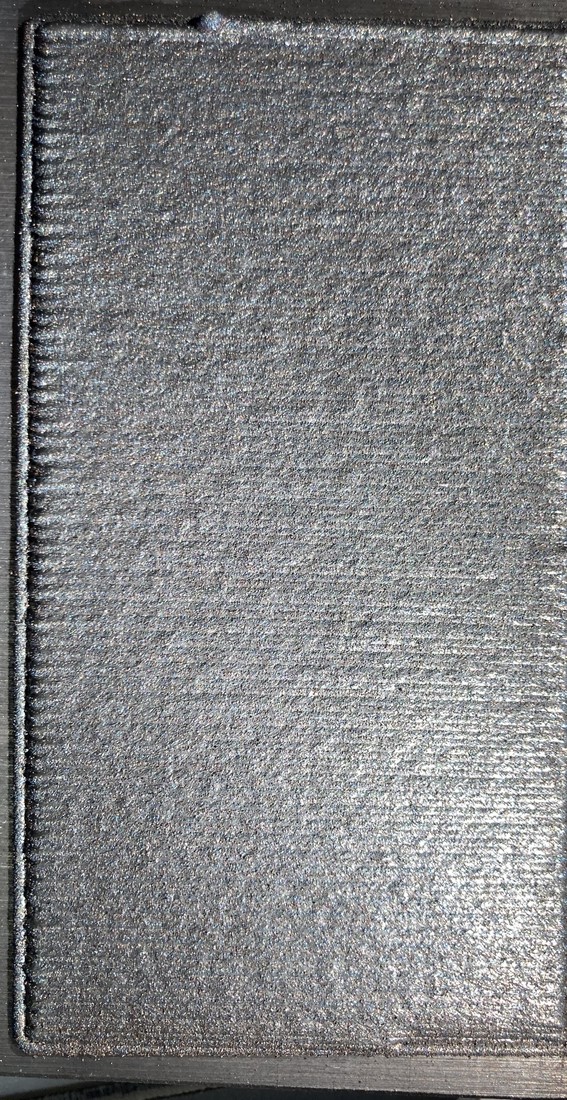
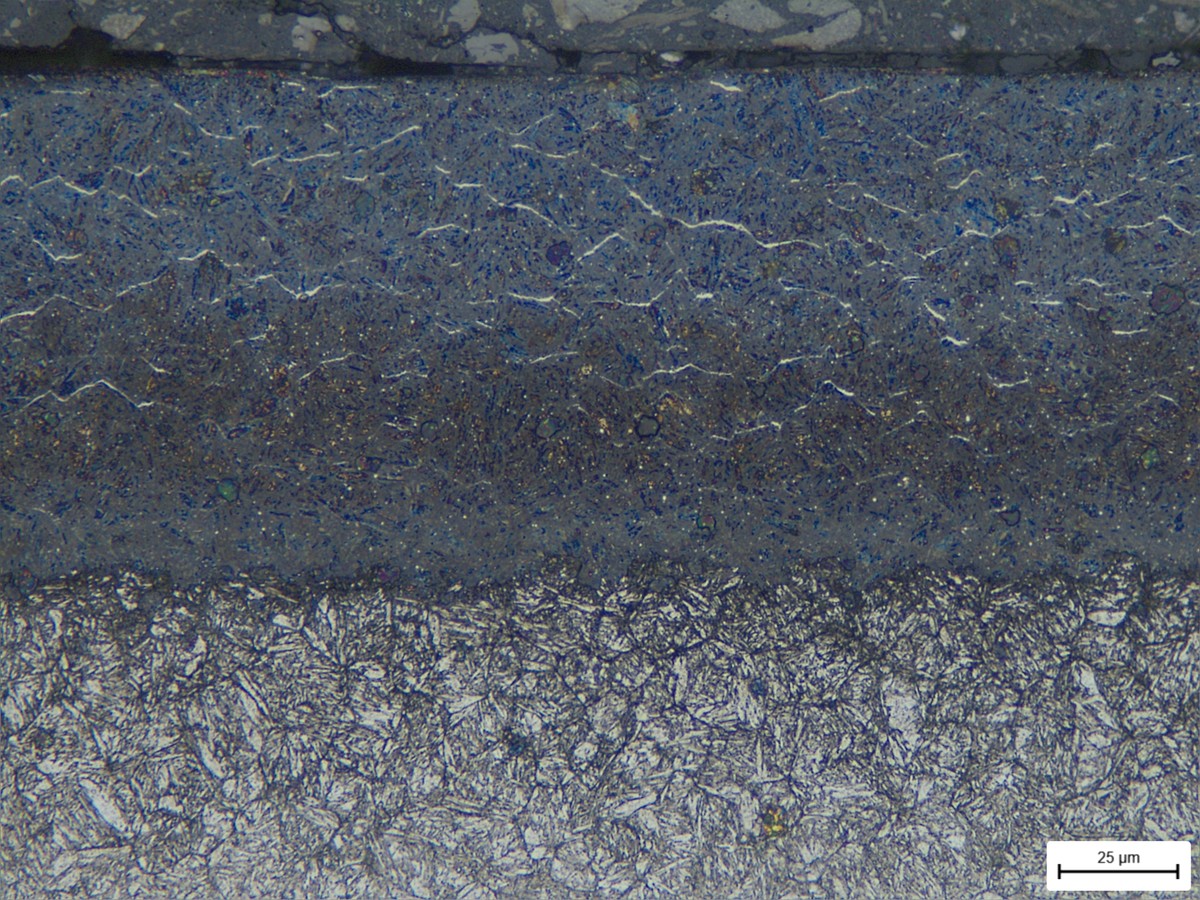
Metallography matters
Surface photos are not enough. Cross-section evidence helps evaluate layer continuity, dilution, heat-affected zone and hard-phase distribution.
Decision table
| Decision | Why it matters |
|---|---|
| Hard phase | Different carbides behave differently in the melt pool and in service. |
| Matrix alloy | The matrix must hold hard particles while managing crack risk and compatibility. |
| Validation | Coupons, microscopy and hardness context guide selection before component trials. |
Readable summary: use carbide-hardfacing research to narrow material routes before applying a hard coating to a valuable part.
What this proves and what it does not prove
This proves a research workflow for carbide-containing LMD hardfacing. It does not publish exact powder ratios, hardness tables, process parameters, customer applications or a qualified universal coating recipe.
What to send for a similar review
- Base material and part geometry.
- Wear mechanism: abrasion, sliding, erosion, thermal fatigue or impact.
- Target coating area and approximate thickness range.
- Inspection plan: hardness, microscopy, crack testing, wear testing or field trial.
Recommended next steps
Use the laser cladding page, mining hardfacing proof, coating guide, documentation guide and the cladding review route.