
In LMD, the distance between process head and workpiece is not a small detail. It affects powder catchment, melt-pool appearance, bead geometry and layer-to-layer stability.
The short answer
Exafuse combines triangulation, coaxial image metrics and machine-learning research to make standoff and height behavior measurable. The goal is better process stability, not an unvalidated universal controller.
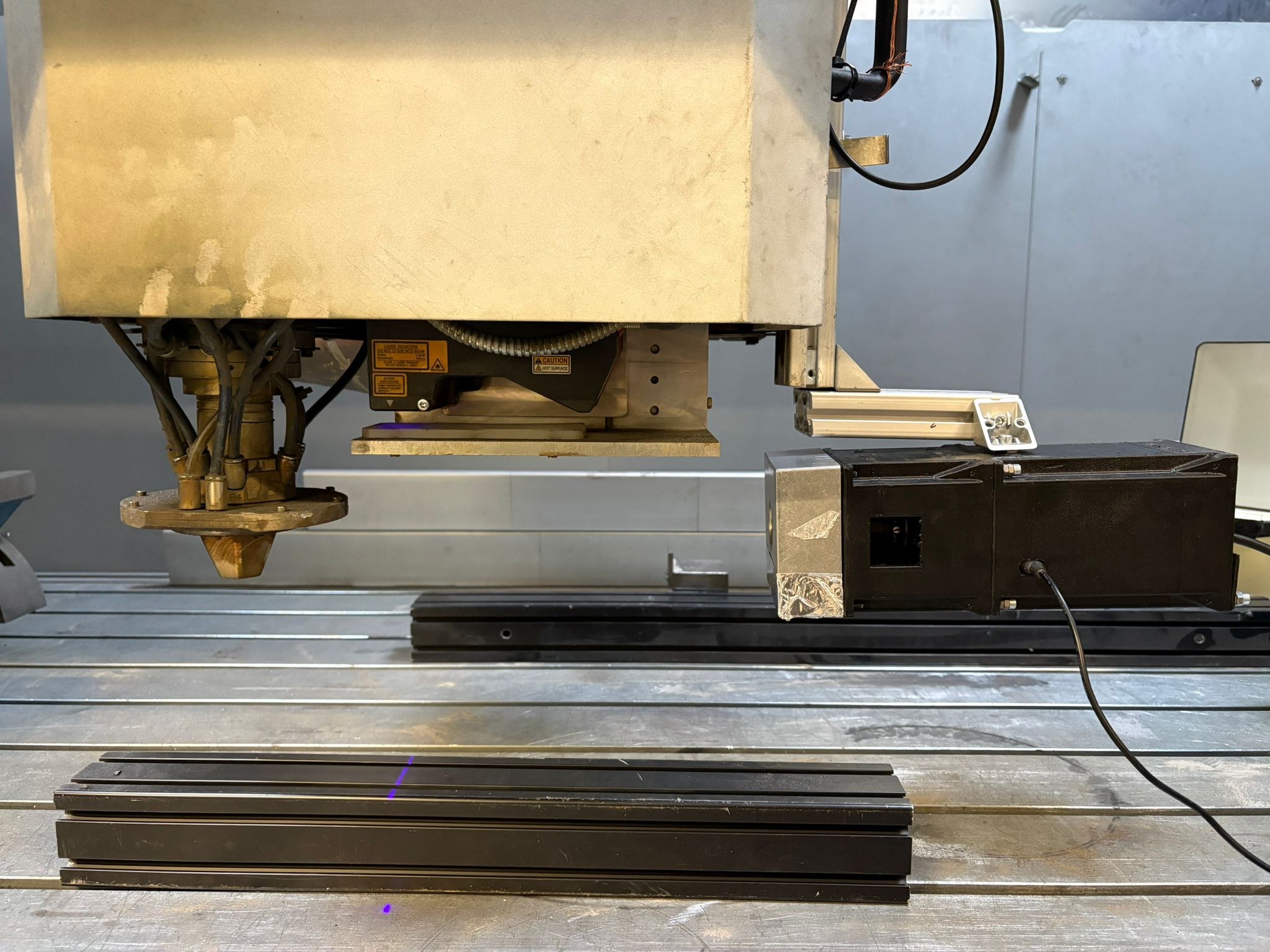
From image to signal
Raw images become useful only after the relevant process region is detected and converted into comparable signals. Those signals can support logging, operator guidance or later control studies.
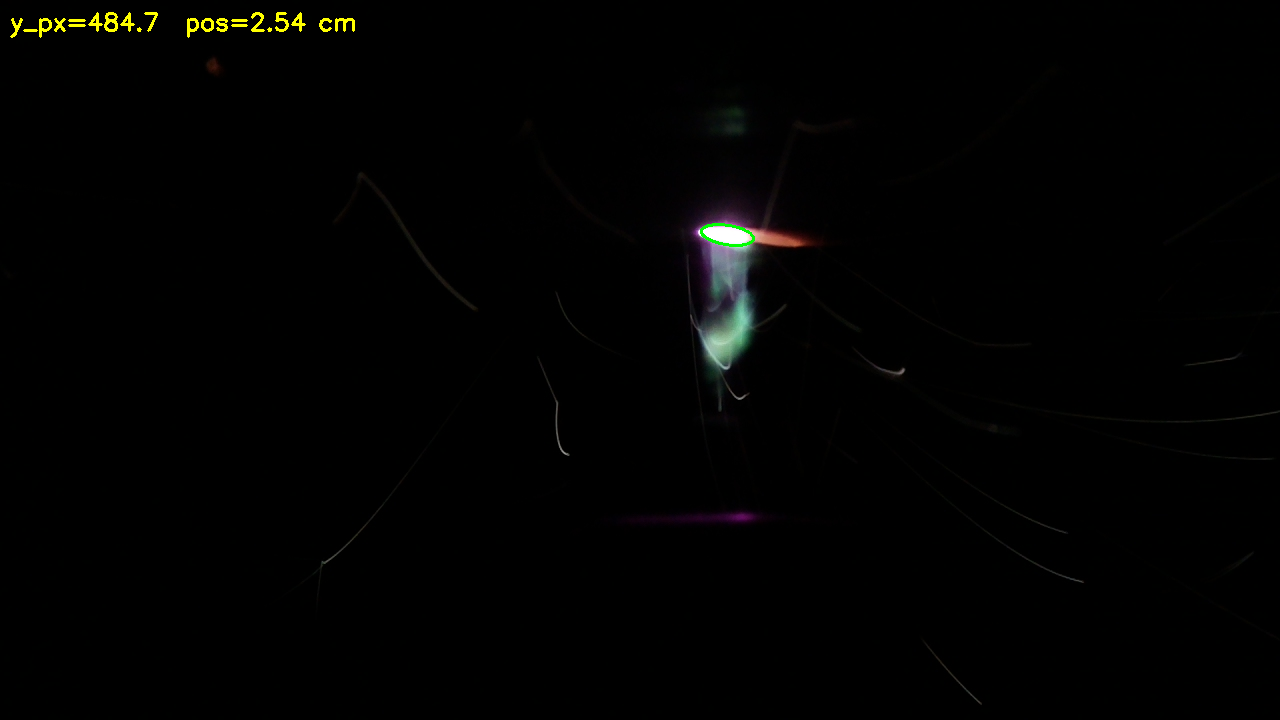
Classical metrics and learning-based analysis
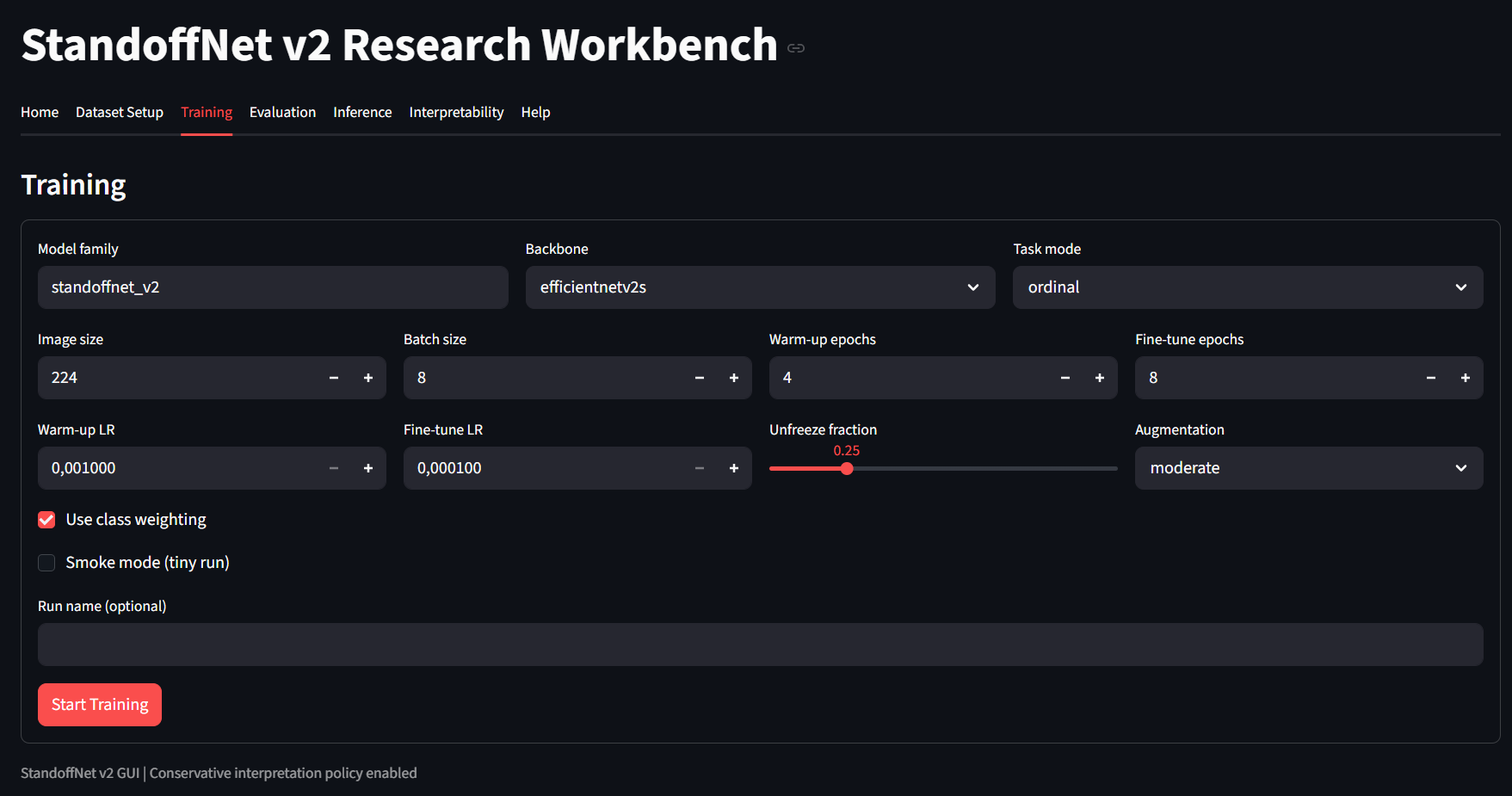
Focus and sharpness metrics can react to standoff, but they are not always enough across different surfaces and lighting conditions. Learning-based paths can be useful when they are trained, tested and interpreted carefully.
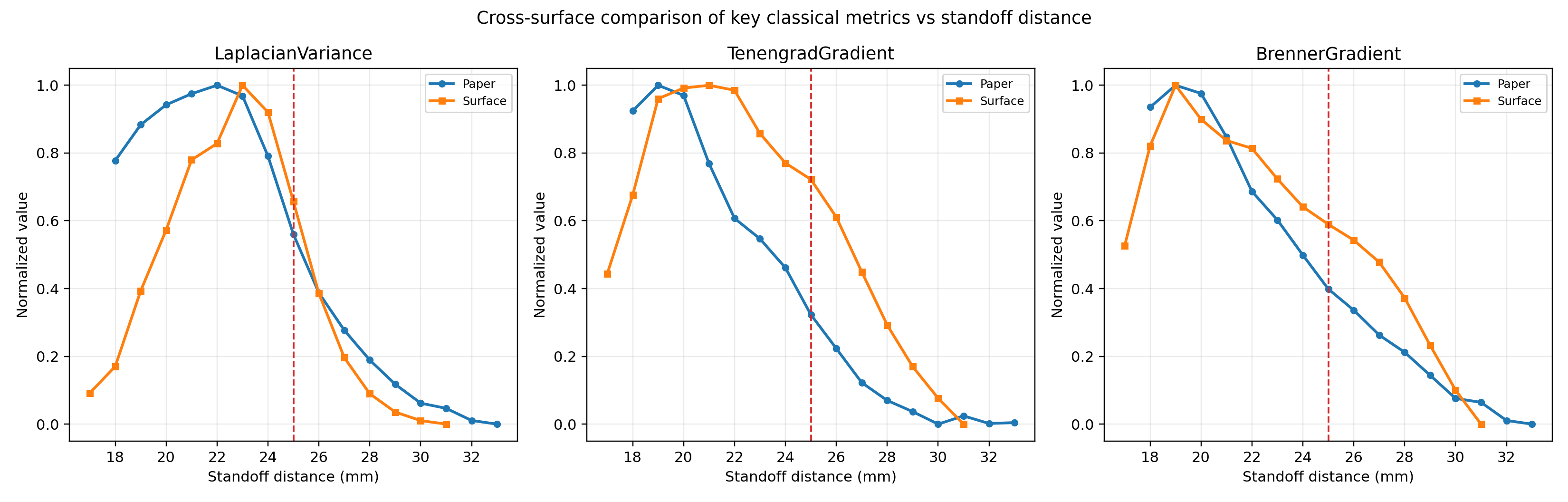
Decision table
| Signal | Use |
|---|---|
| Triangulation | Direct geometric context for surface and height changes. |
| Coaxial image metrics | Standoff-sensitive focus and sharpness indicators. |
| ML analysis | Research route for extracting state information from images where simple metrics are weak. |
Readable summary: use standoff sensing when geometry, height drift or process-head distance can affect deposition quality.
What this proves and what it does not prove
This proves a sensing and analysis workflow. It does not publish datasets, model weights, calibration files or final closed-loop qualification.
What to send for a similar review
- Part or substrate geometry.
- Expected build height or coating thickness.
- Acceptable standoff range if known.
- Available camera or sensor data and validation measurement.
Recommended next steps
Use the scanner article, monitoring article, quality page and the quality review route.