
Start from duty and substrate
Connect wear, corrosion, temperature and contact conditions with the base material, candidate alloy family and required finishing.
7 more related items are available through the linked hub pages.
Materials
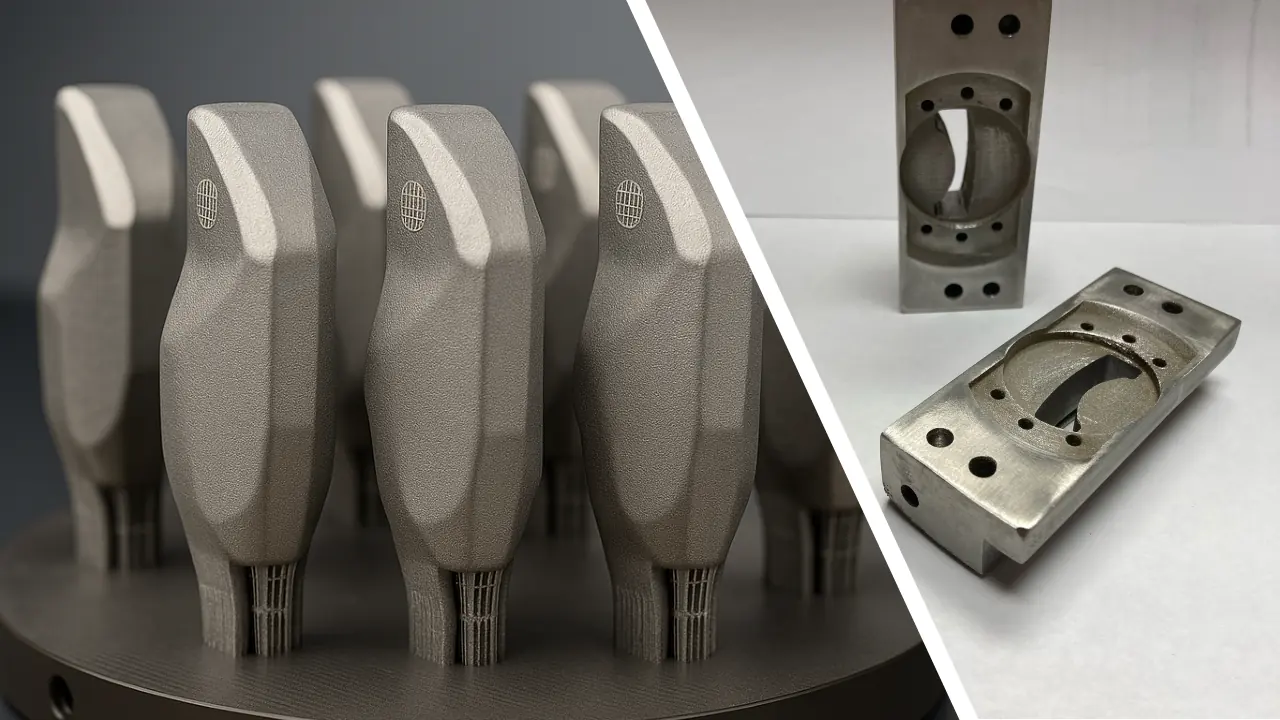
For LMD, SLM/LPBF and laser cladding, an alloy name is not enough. Substrate, duty, heat input, geometry, finishing and inspection requirements need to work together.
Selection criteria
Missing information can be marked as open during an initial review, but it should not be replaced by a blanket material promise.
Material designation, known heat treatment, existing coating, prior damage and available material records.
Abrasion, impact, sliding contact, corrosion, oxidation, temperature or a combination of these loads.
Process medium, temperature range, load cycles, contact partner and required service life.
Access, deposition zone, heat input, machining allowance and possible post-treatment.
Target hardness only where technically relevant, together with microstructure, bonding, geometry, surface condition and documentation.
Material families
Suitability depends on substrate, damage mechanism, geometry, process conditions and acceptance criteria.
May suit build-up, repair and selected wear applications. Weldability, prior condition, heat treatment and crack risk need to be evaluated together.
May be relevant for corrosion, oxidation, temperature exposure or dissimilar-material applications. Dilution, interfaces, finishing and inspection remain application-specific.
May suit tribological or abrasive duty. Hardness alone is insufficient; toughness, matrix, particle bonding, crack risk and machinability also matter.
Require a separate assessment of absorption, heat conduction, temperature control and material transitions. Early feasibility work is particularly important.
Published project examples
Each example applies to its documented project scope. Transfer to a new component is assessed separately.

Wear protection
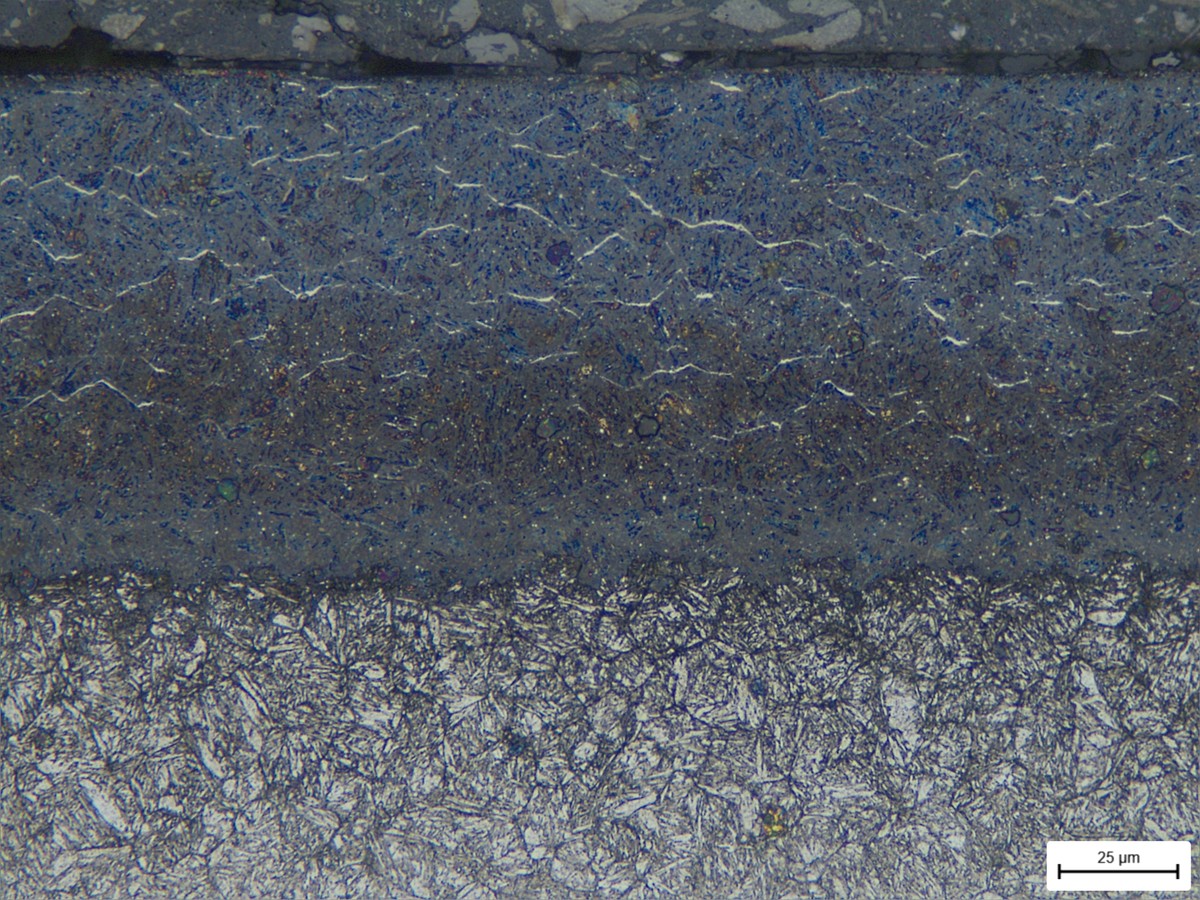
The published research context shows why matrix, hard-particle distribution, bonding, crack risk and finishing need to be reviewed together. Composition and acceptance remain project-specific.
View project
Multi-material build
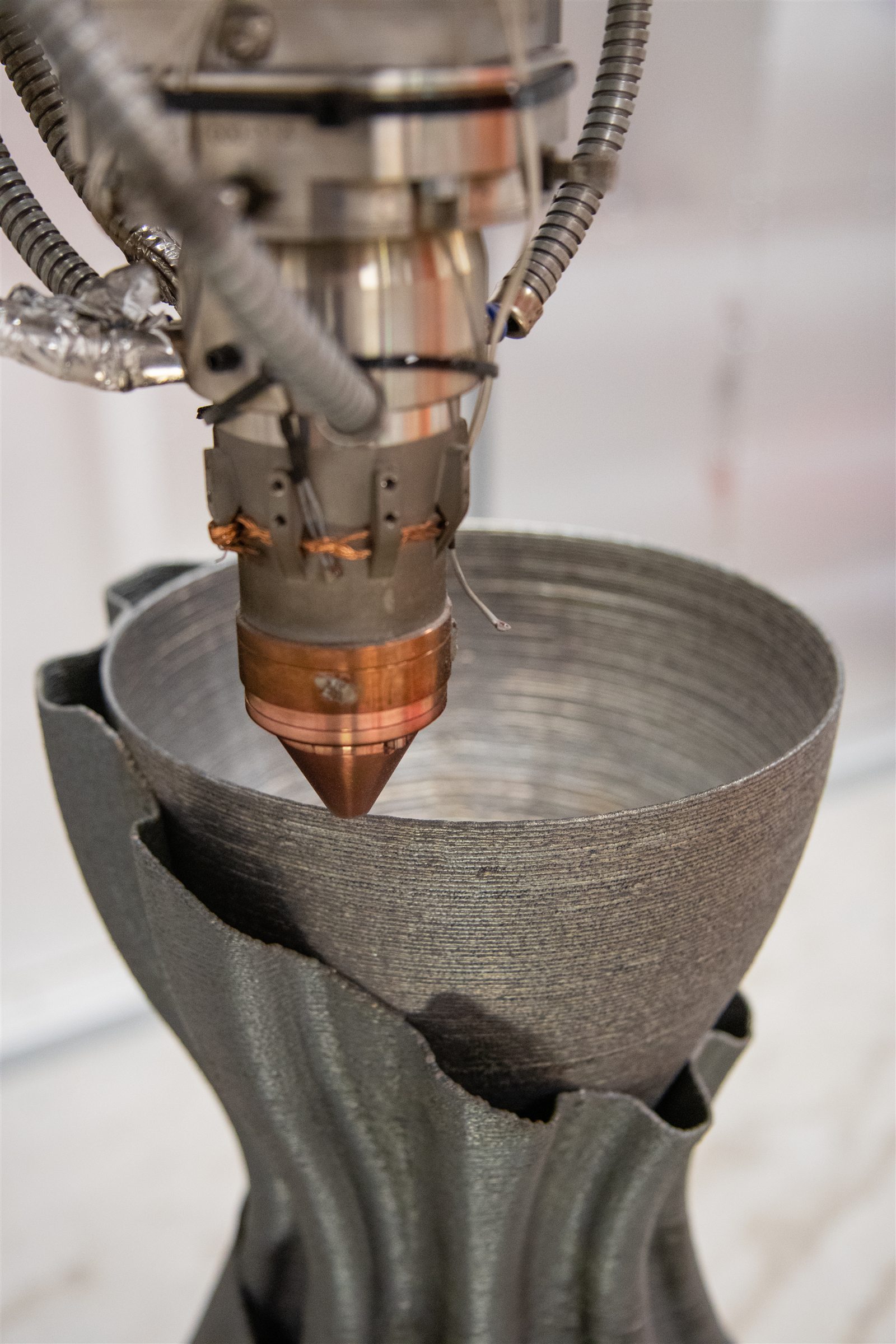
The project documents Inconel 625 and Inconel 718 in defined functional zones. It is not a general qualification of this combination for other geometries or load cases.
View project
Copper substrate
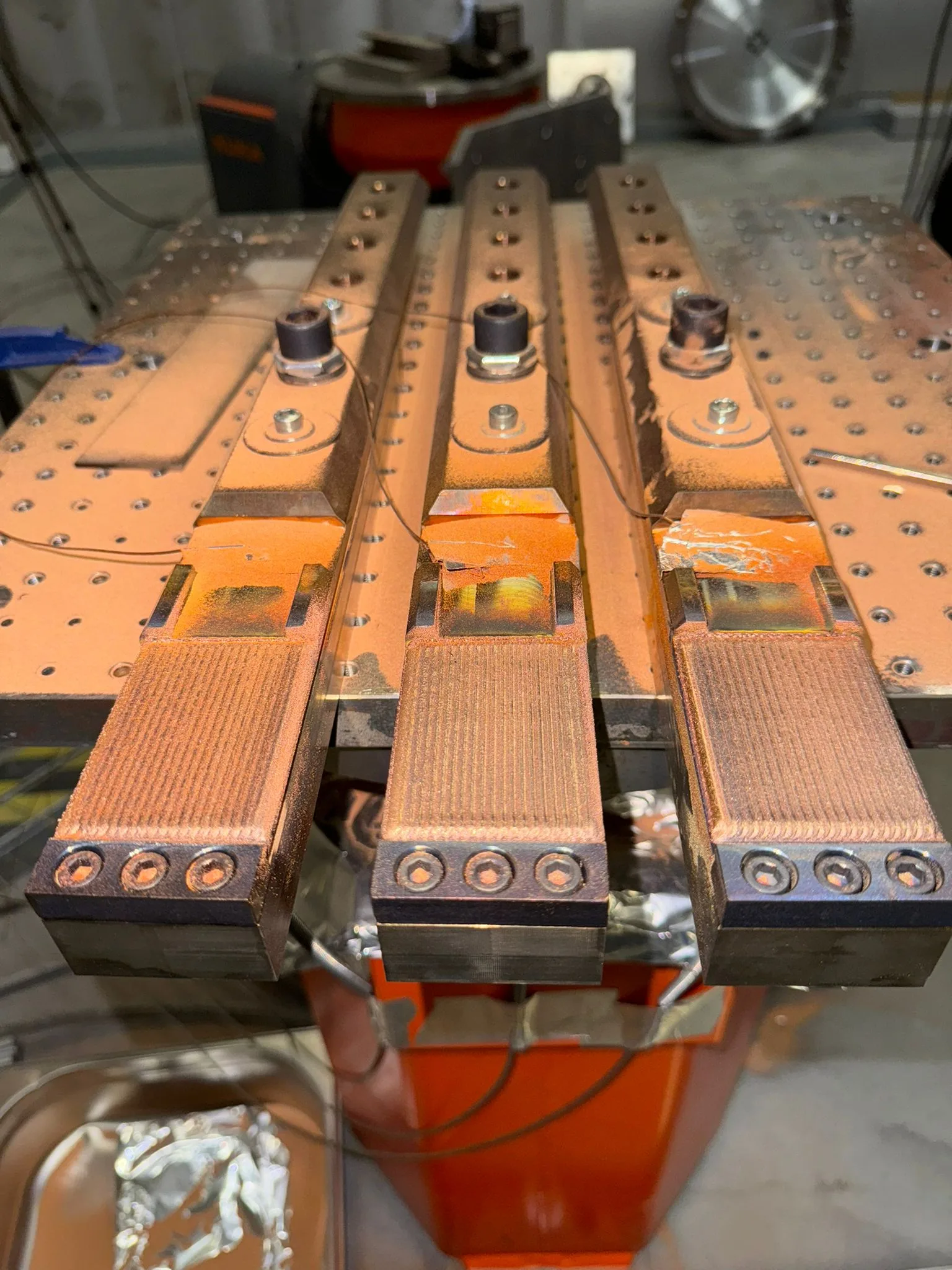
The project documents LMD coating on copper-based components. Temperature control, interfaces, repeatability and inspection must be defined for each new component.
View projectEvidence status
This distinction separates published experience, initial assessment and project-specific validation.
| Status | What is available | How to use the statement |
|---|---|---|
| Published project example | The component, manufacturing approach and public project scope are documented. | Use as context for a similar question, not as transferable component approval. |
| Initial material assessment | The substrate, duty and a possible material family have been reviewed. | Trials, process parameters, finishing and inspection remain open. |
| Project-specific validation | Acceptance criteria and inspection have been agreed for a defined component. | The conclusion applies only to the agreed material, process and inspection scope. |
| Insufficient input data | The substrate, duty or acceptance criteria are uncertain. | No defensible material recommendation yet; clarify the missing information first. |
Technical review
Photos or CAD, operating temperature, process medium, target surface, finishing and acceptance criteria are also useful. Exafuse will identify open points before a material recommendation is developed further.
Request a material reviewRecommended next steps
Continue with a relevant service, case study, technical article, FAQ or feasibility request.
Connect wear, corrosion, temperature and contact conditions with the base material, candidate alloy family and required finishing.
7 more related items are available through the linked hub pages.
Use a technical feasibility review for dissimilar materials, gradients, copper substrates and hard-to-machine alloys.
4 more related items are available through the linked hub pages.