Technical guidance
Process, material and RFQ questions
Use the knowledge hub for specific engineering decisions and project inputs.
Open knowledge hub Metal additive manufacturing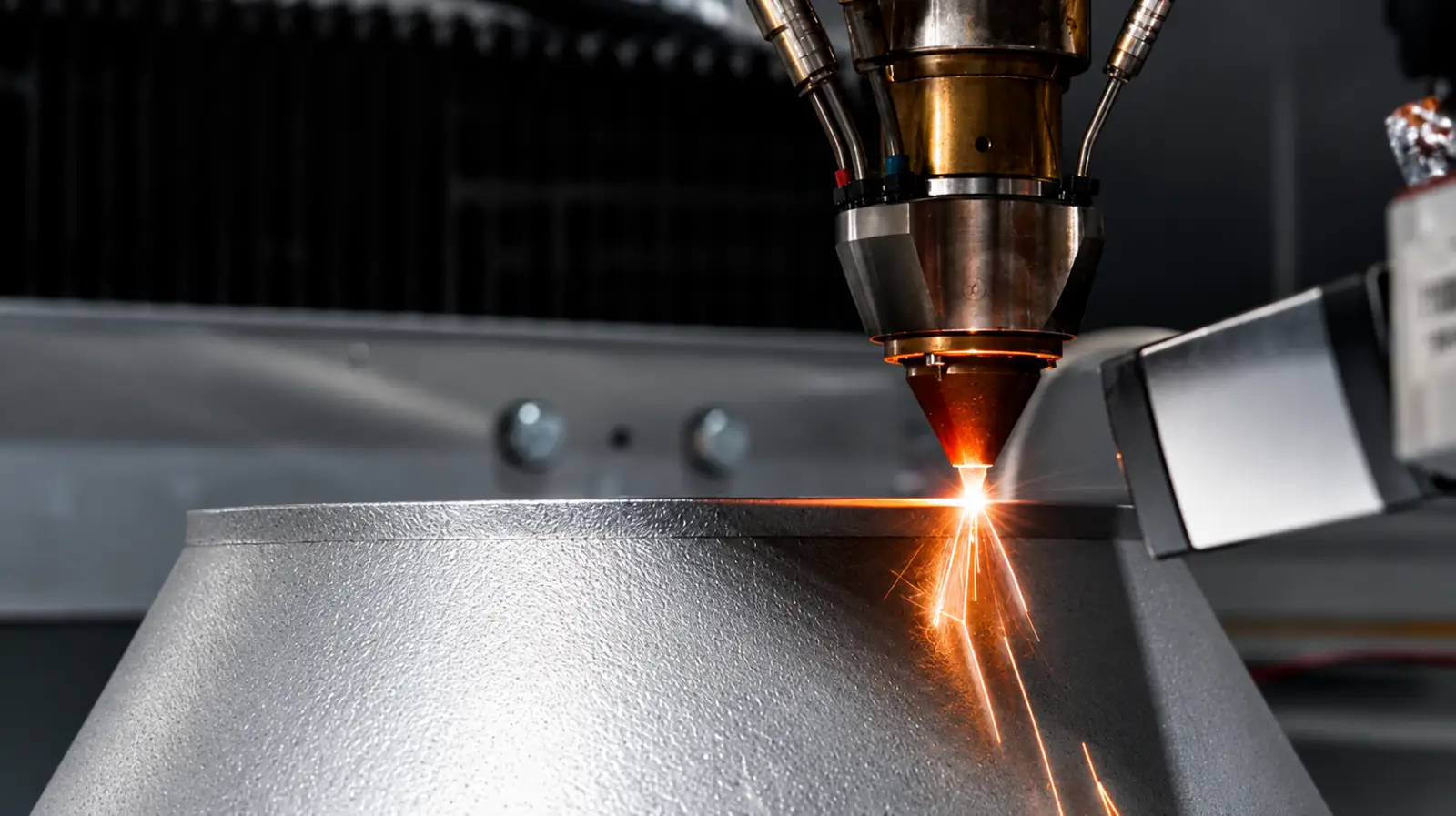
LMD for large parts, repair and surface protection
Exafuse manufactures, restores and protects high-value metal components using Laser Metal Deposition, SLM/LPBF and hybrid additive-subtractive process chains. Feasibility, finishing and inspection are considered from the start.
Three project types
Start with the job the component must do. The manufacturing process follows from geometry, material, finishing and inspection requirements.
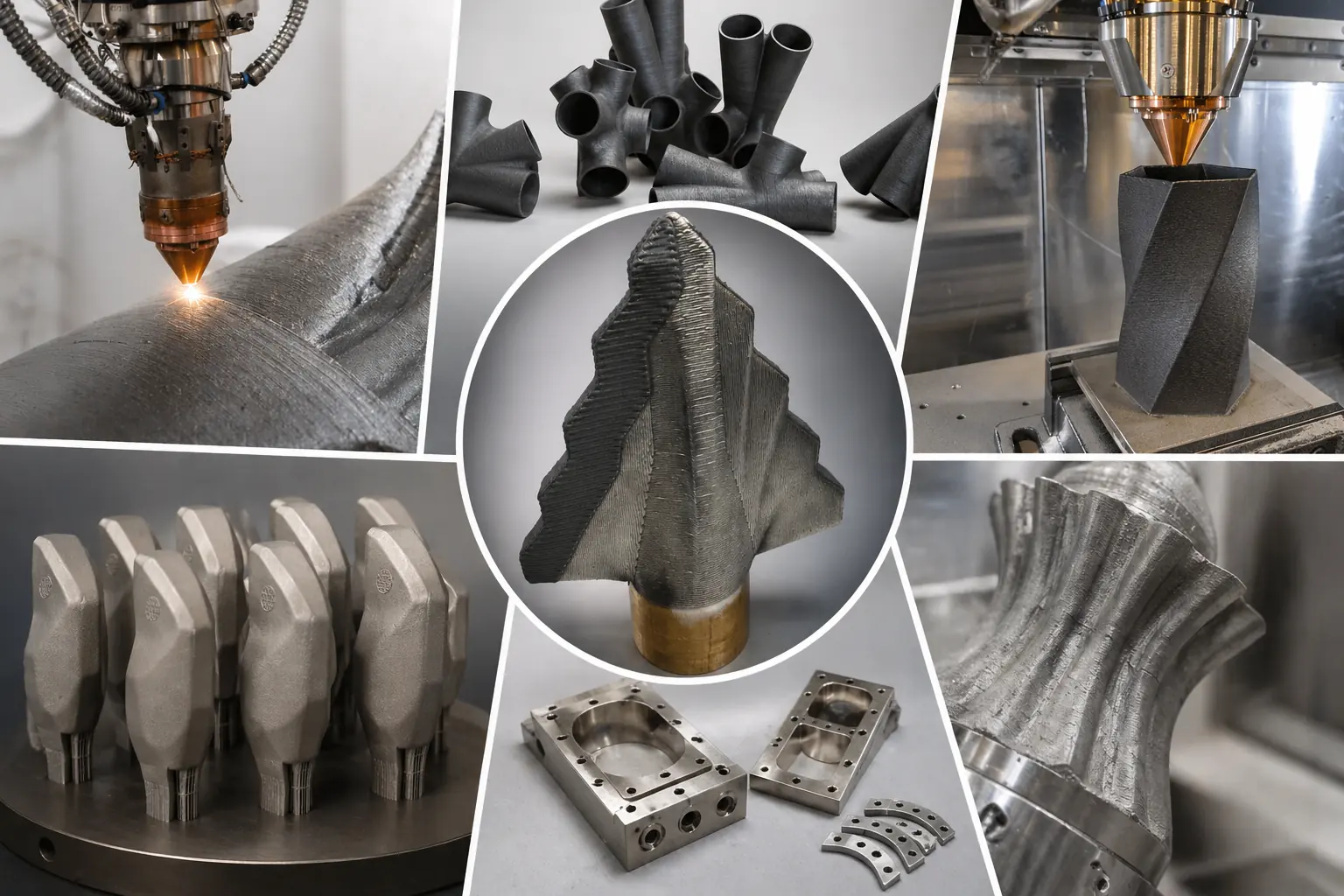
New component
For near-net-shape large parts, prototypes and geometries where local material addition or a powder-bed process creates a technical advantage.
View part manufacturing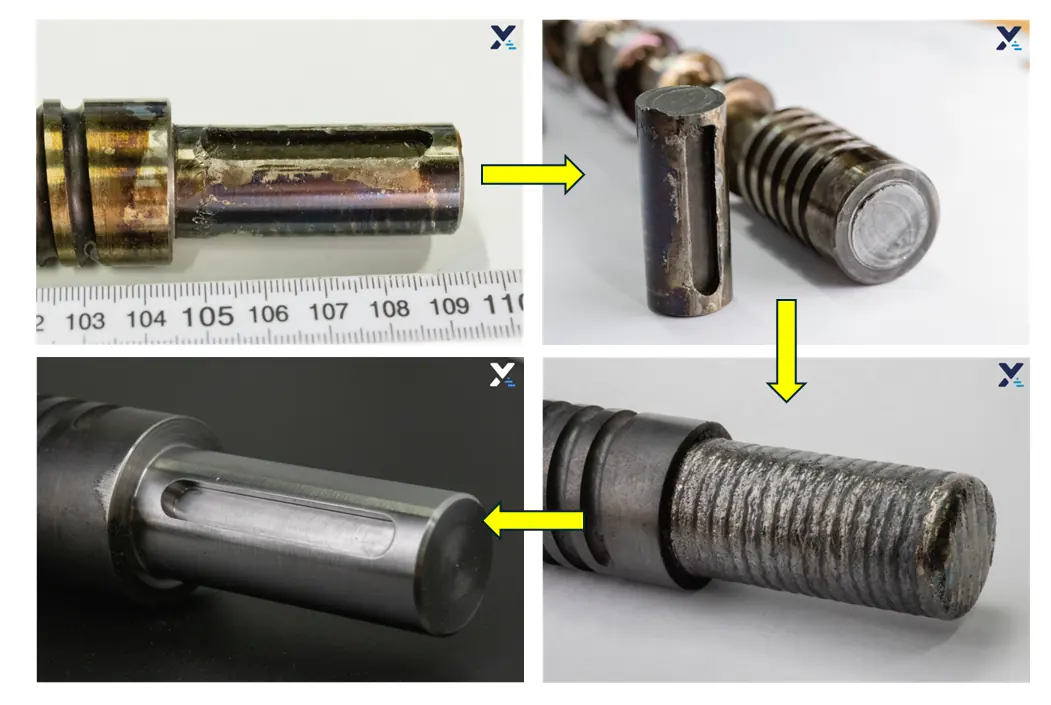
Repair and modification
Rebuild worn regions, correct machining errors or add local features when replacement would take too long or make poor commercial sense.
View repair options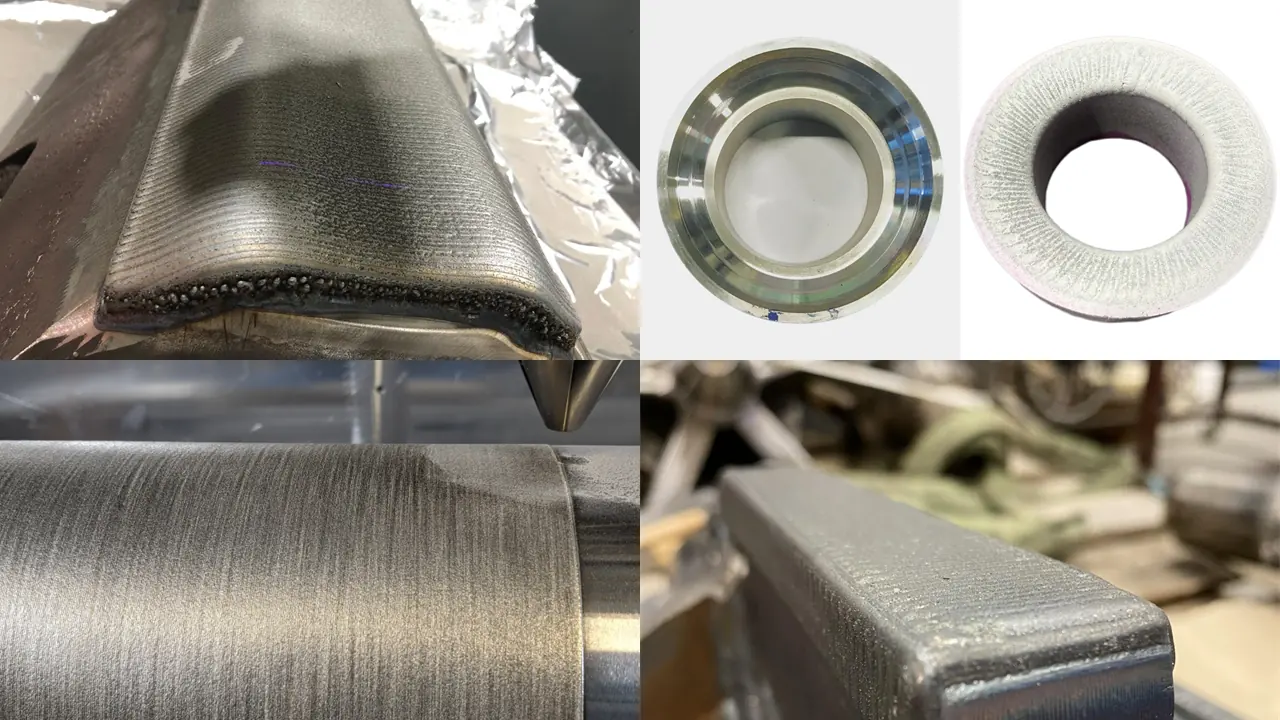
Surface protection
Metallurgically bonded layers for locally stressed surfaces, including wear, corrosion, oxidation and sliding-contact duties.
View laser claddingTechnical capability
Published equipment data defines the available technical envelope. Suitability still depends on the specific geometry, material and acceptance criteria.
Selected projects
Each example has its own project scope and limitations. None replaces a part-specific feasibility or acceptance review.
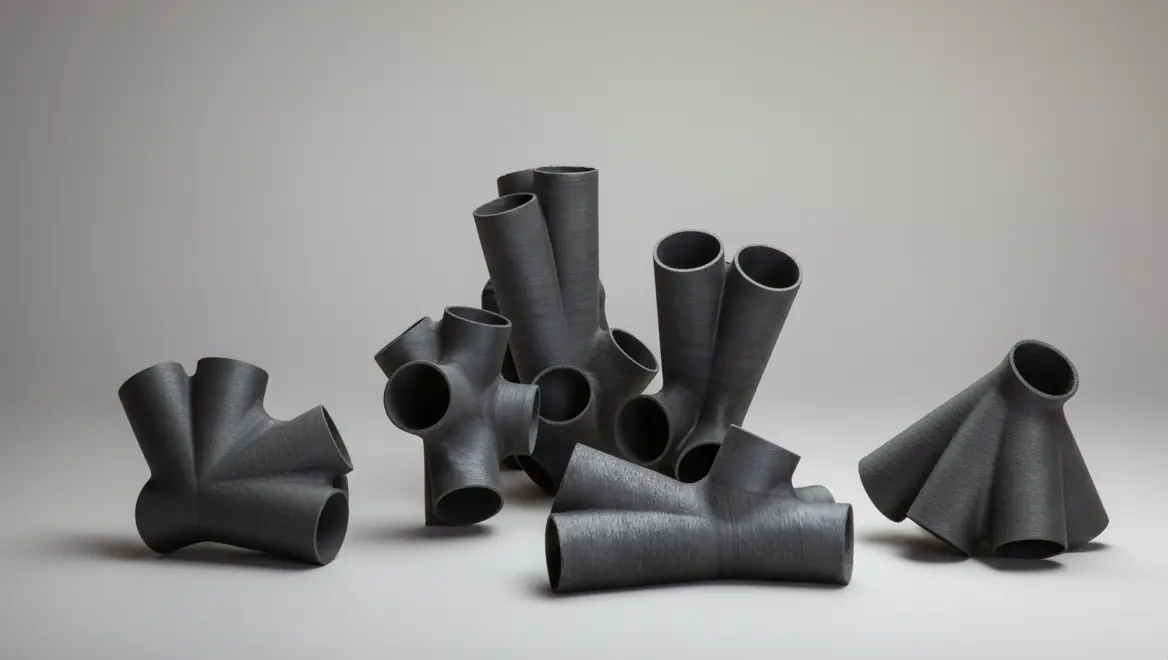
Public infrastructure project
More than 750 kg of LMD components, including six structural nodes, with CAD adaptation, path planning, monitoring and project-specific validation.
View bridge project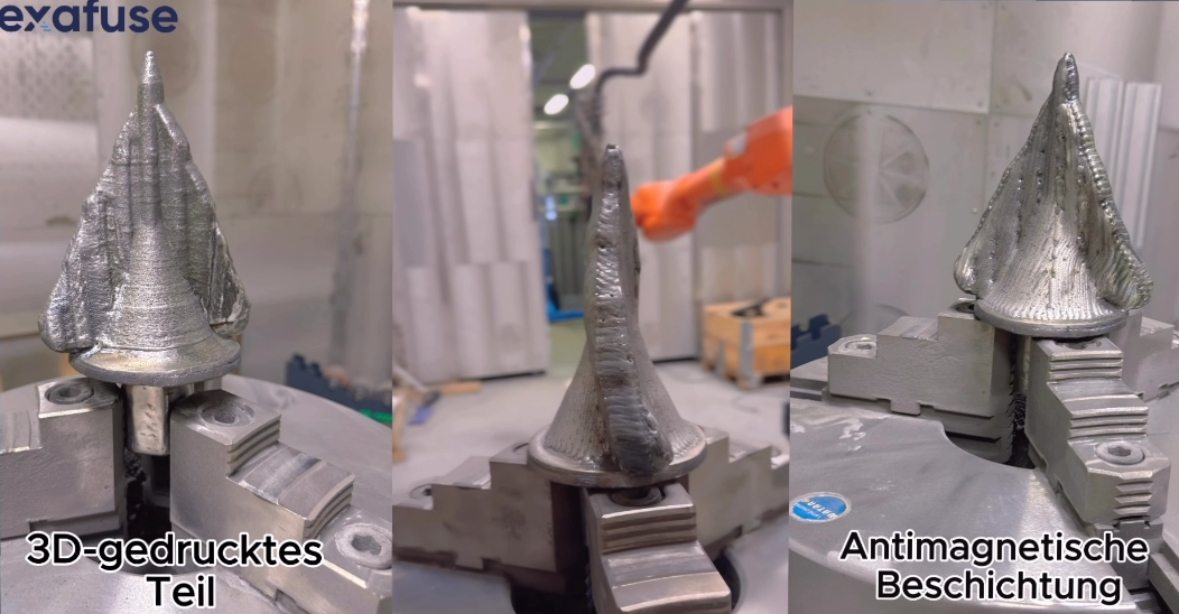
Build and coat
A coordinated LMD process combines part build-up with a tungsten-carbide-containing functional layer.
View drill project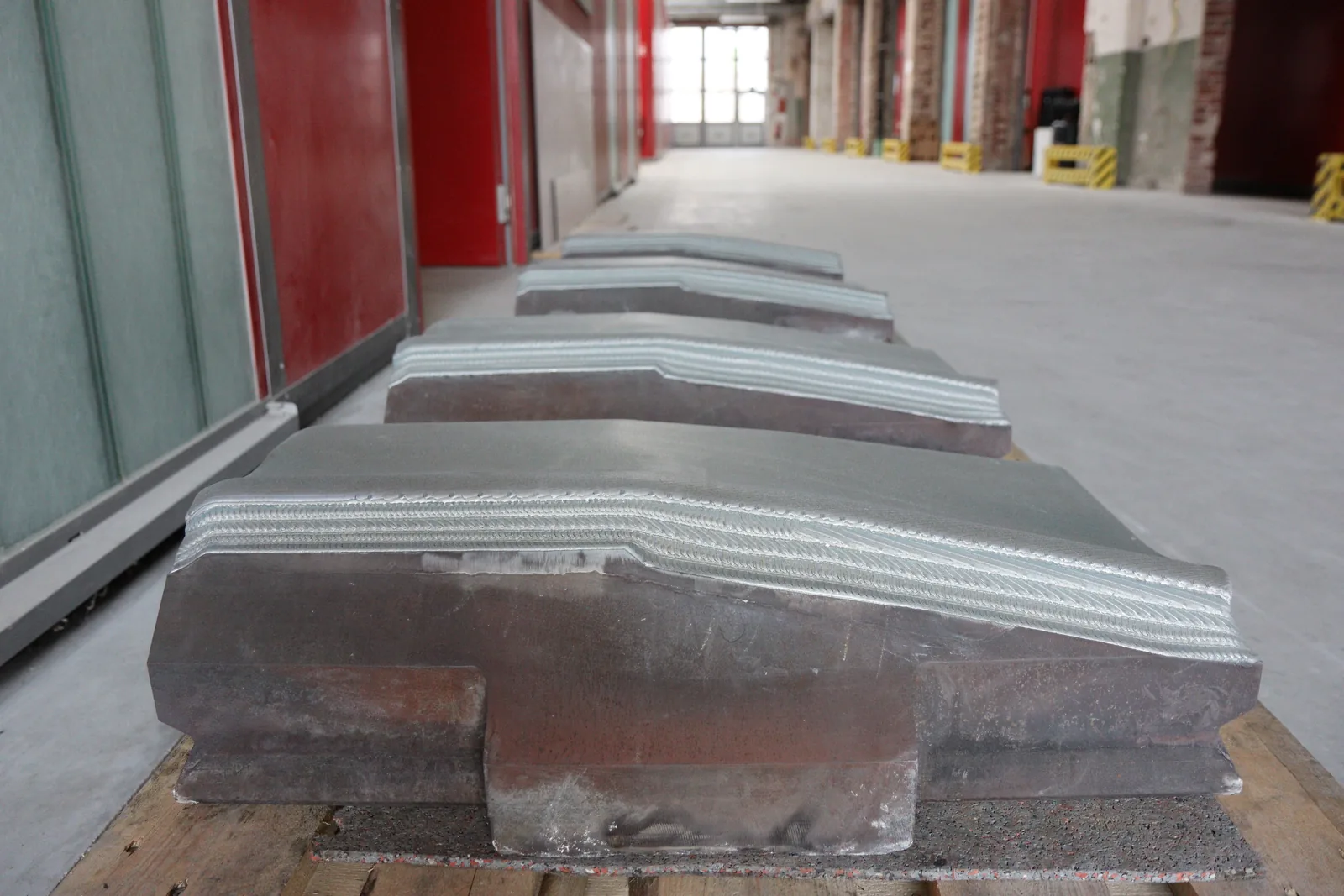
Industrial repair
Local material build-up, alloy selection, finishing and inspection are assessed together for the loaded working surface.
View repair projectFeasibility in four steps
Good input data shortens the review and makes quotations easier to compare.
Drawing or CAD, material, dimensions, damage or functional zone, and the result the component must deliver.
LMD, SLM/LPBF, repair or laser cladding are compared against access, heat input and material compatibility.
Machining allowance, surface requirements, inspection methods and acceptance criteria are defined before manufacturing.
You receive a clear response on missing information and whether a quotation, trial or deeper feasibility review is appropriate.
Initial direction
The Pathfinder uses the project goal, part situation and available data to suggest a useful starting point. It does not replace technical feasibility review.
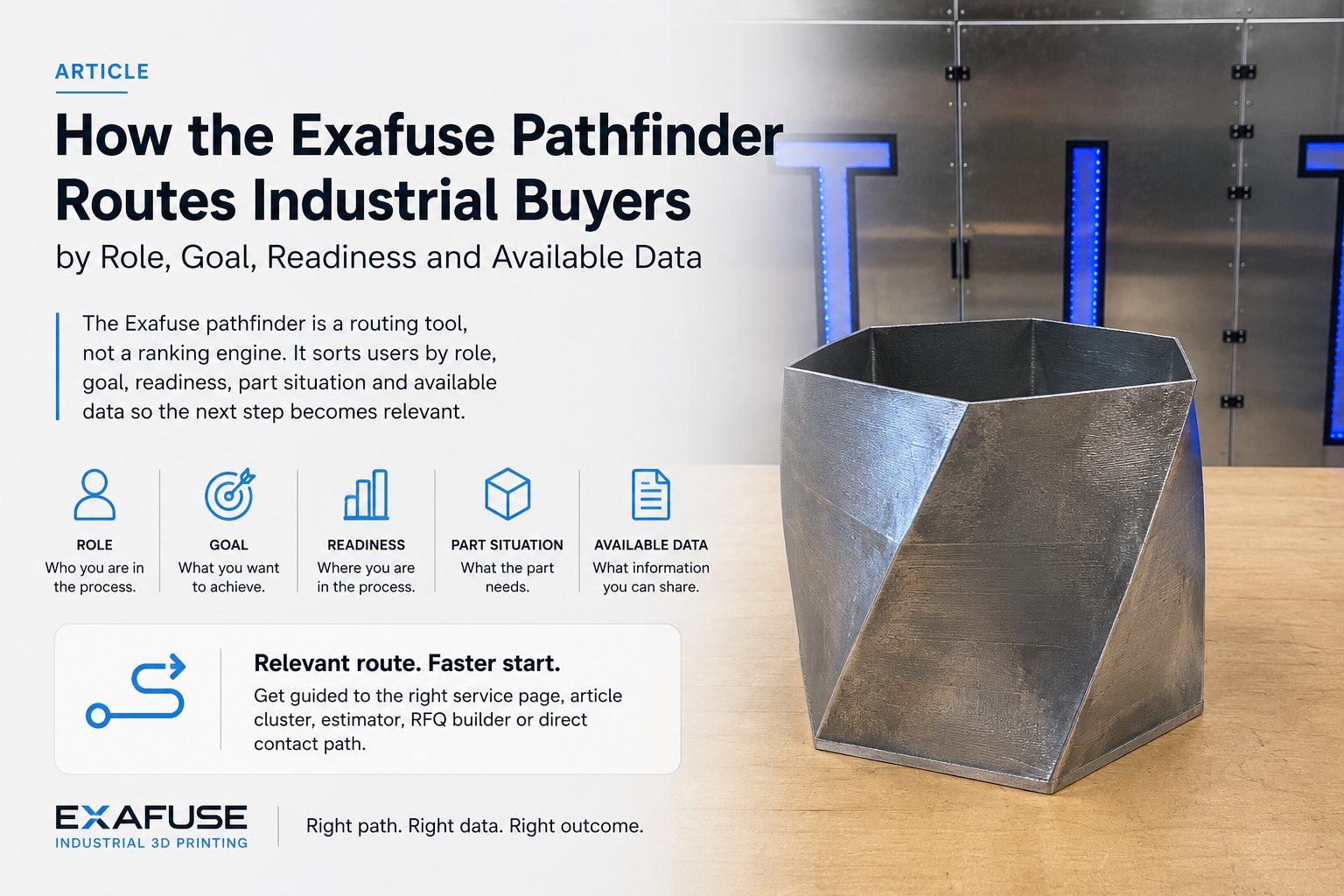
Pathfinder
Inputs stay in the browser. Nothing is sent to Exafuse unless you then choose to make contact.
Start PathfinderFinishing and inspection
Deposition alone is rarely the finished result. Machining, surface condition, inspection and documentation are defined for the individual project.
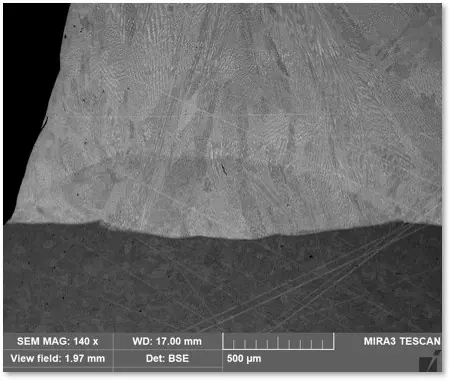
Dimensional checks, microscopy and metallographic preparation can support project assessment. The required scope and acceptance criteria must be agreed for the specific component.
Technical resources
Technical guides answer specific questions about LMD, SLM/LPBF, repair, materials and inspection. Research pages distinguish public development work from project-specific qualification.
Technical guidance
Use the knowledge hub for specific engineering decisions and project inputs.
Open knowledge hubResearch and development
Project pages explain the research goal, Exafuse contribution and limits of the published results.
View research projectsStart with one component
Exafuse will identify missing information and recommend an appropriate technical next step.