Exafuse services

Assess geometry, material, surface function, finishing and inspection before requesting a quote.

Service / Laser cladding

Protect working surfaces with metallurgically bonded metal layers.

Use this route when the project starts from wear, corrosion, oxidation, sliding contact, hot wear or a defined surface zone that needs a better material response.

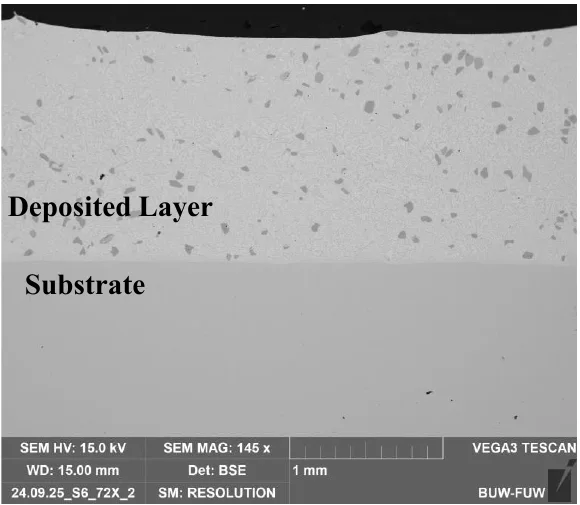
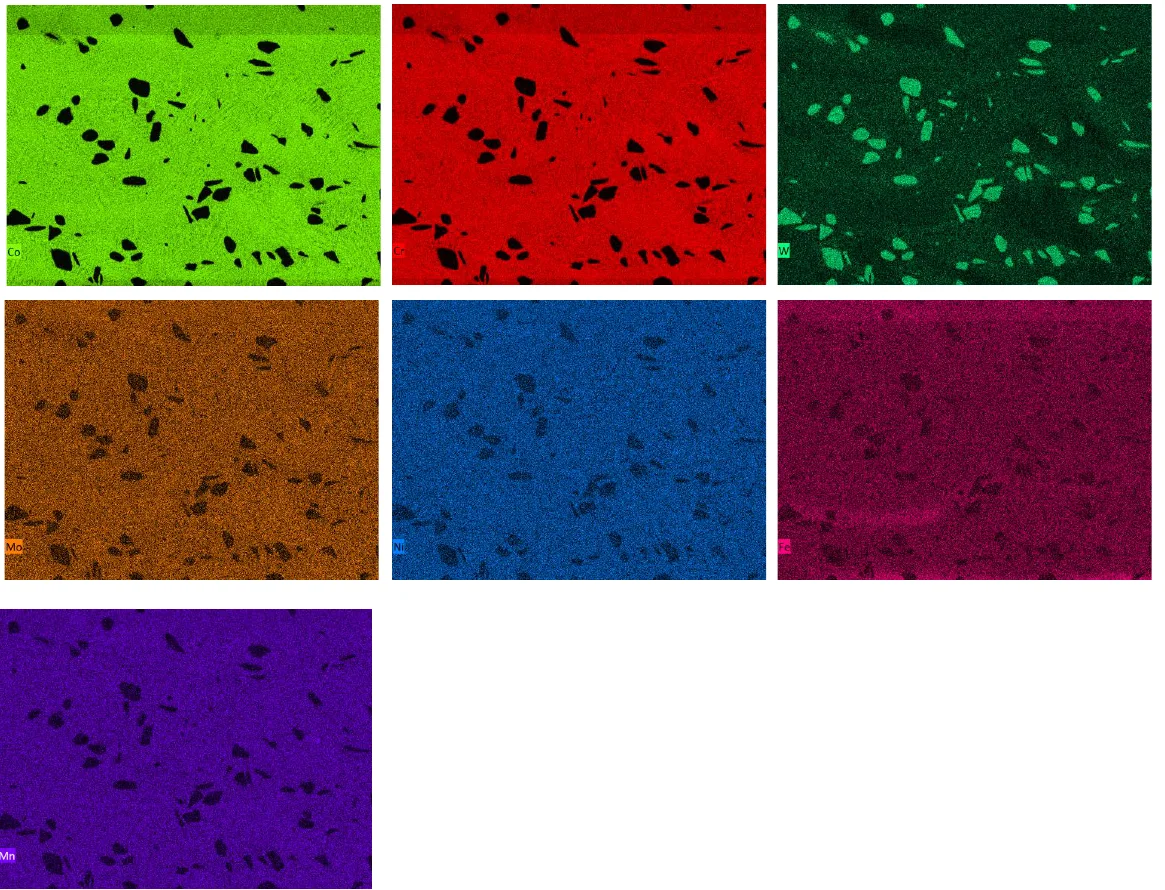
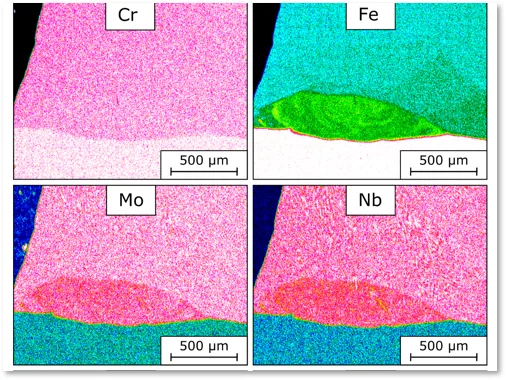
Dilution and element distribution view for LMD validation context

Cladding fit

The coating route starts with the failure mode, not with a preferred powder.

Start with the surface duty: wear, corrosion, oxidation, sliding contact, temperature and the required finishing route. Alloy family, layer strategy, heat input and inspection only make sense after the failure mode is clear.

Use whenWear, corrosion, oxidation or tribology is concentrated on known zones of the part.
Strong examplesForging tools, shafts, rollers, valve seats, pump parts, hydraulic surfaces and localized wear zones.
Not ideal whenA non-metal coating is required, distortion limits cannot be managed or no acceptance criteria exist.
Material logic Fe-, Ni-, Co-based and carbide-reinforced options are selected by duty, substrate and validation needs.

Material selection by surface duty

Choose a coating from the required surface function, not from a powder name.

Wear, corrosion, oxidation, sliding contact and impact duty place different demands on alloy, layer design and inspection. The observed failure mode is therefore the starting point.

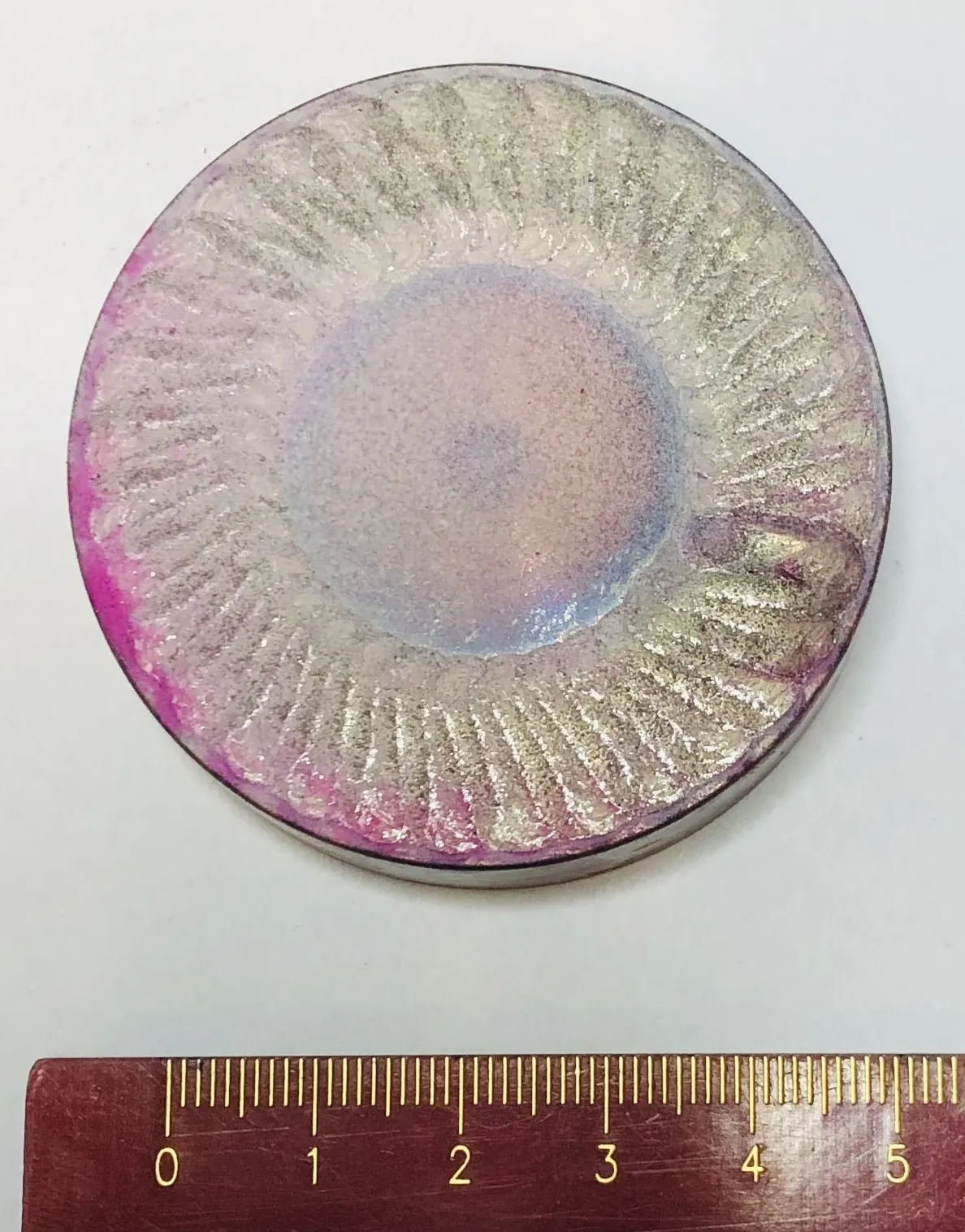
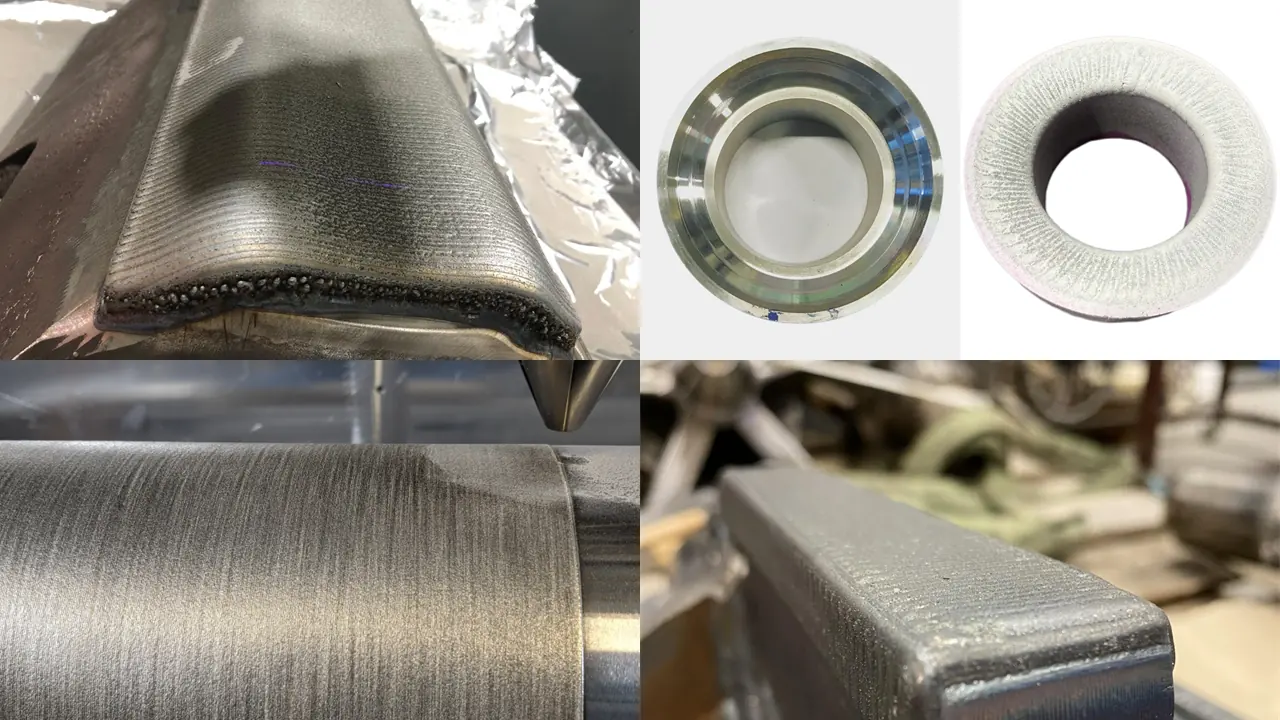
Laser cladding surface protection component

Surface function

The same alloy family can behave differently depending on substrate, heat input, dilution and finishing.

  • Start with failure mode and operating environment.
  • Review substrate, dilution, heat input and finishing together.
  • Define the inspection scope for the part, surface and acceptance criteria.
130 mm drill project

Part build-up and functional coating in one planned process chain.

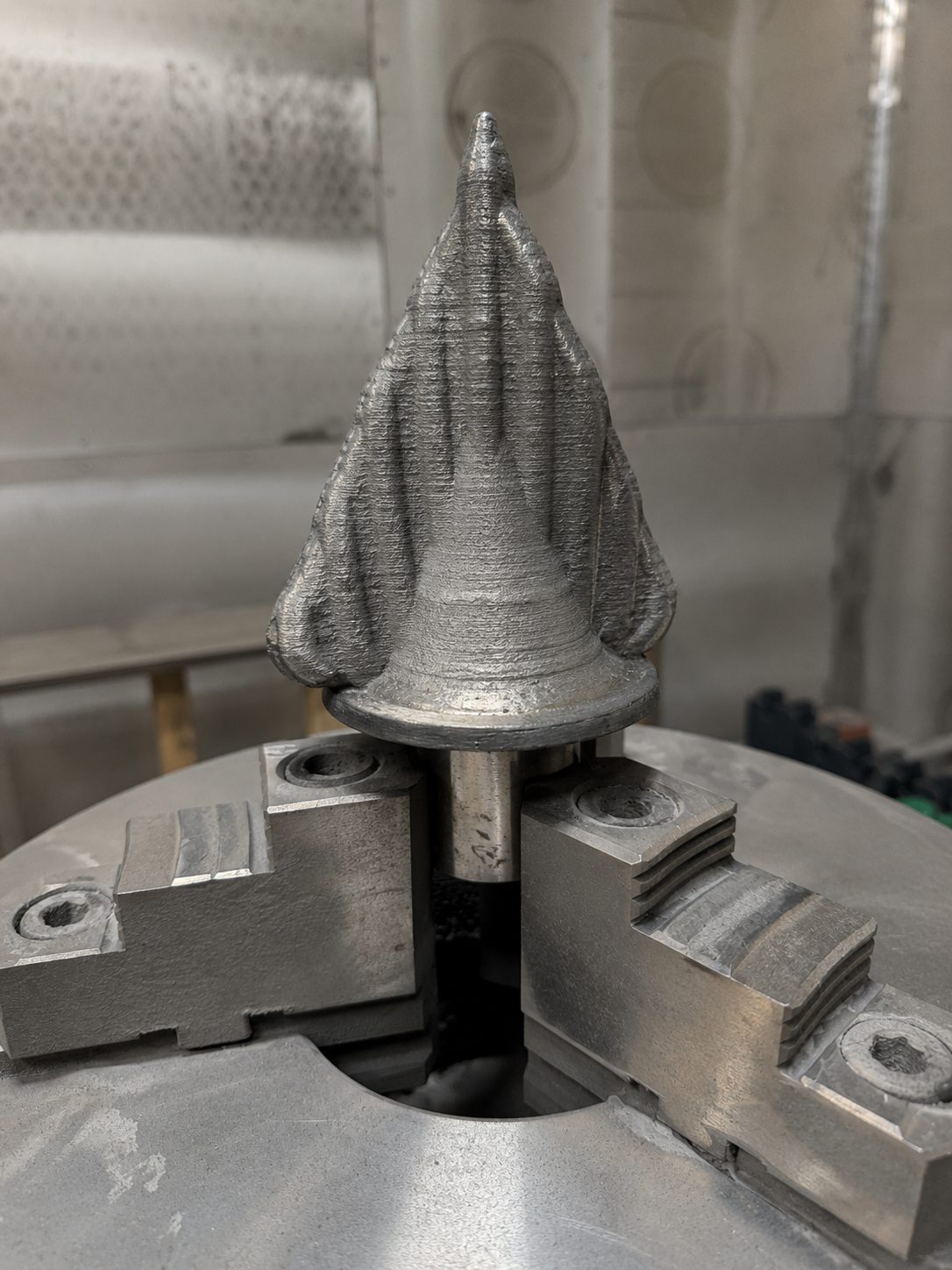
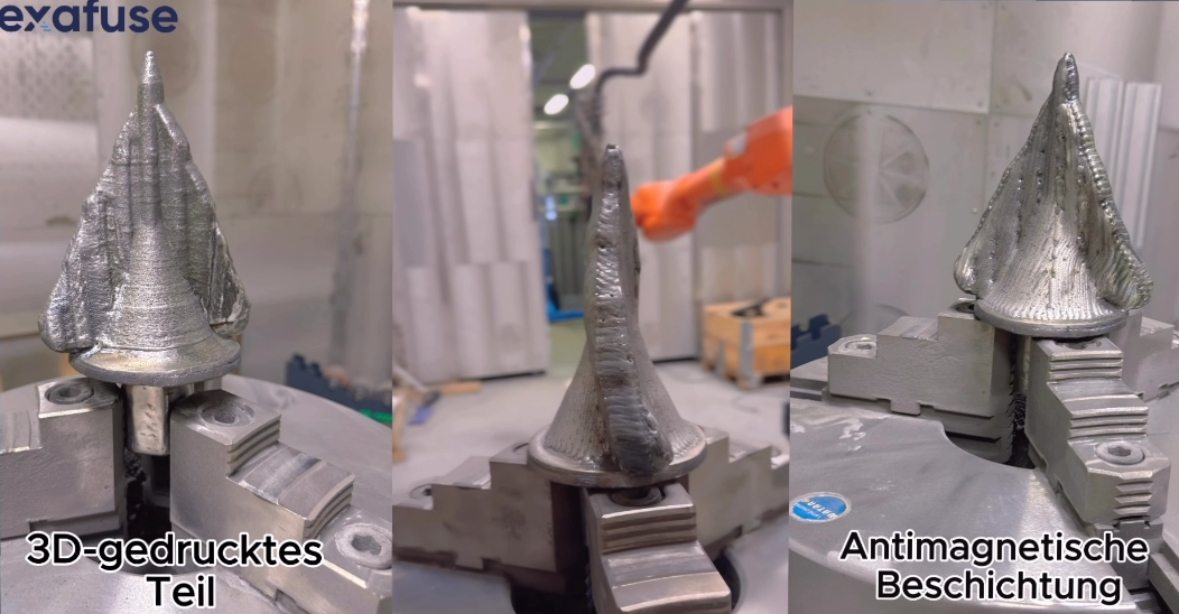
The 130 mm drill used LMD for both part build-up and a local functional coating. Geometry, surface function, finishing and inspection therefore have to be planned together.

130 mm drill cover image for LMD build-and-coat workflow explanation

Build and coat

Part build-up and functional coating in one planned process chain.

  • build the base geometry with LMD
  • apply a local functional coating
  • plan finishing and acceptance for the specific part

Rotor-wedge project

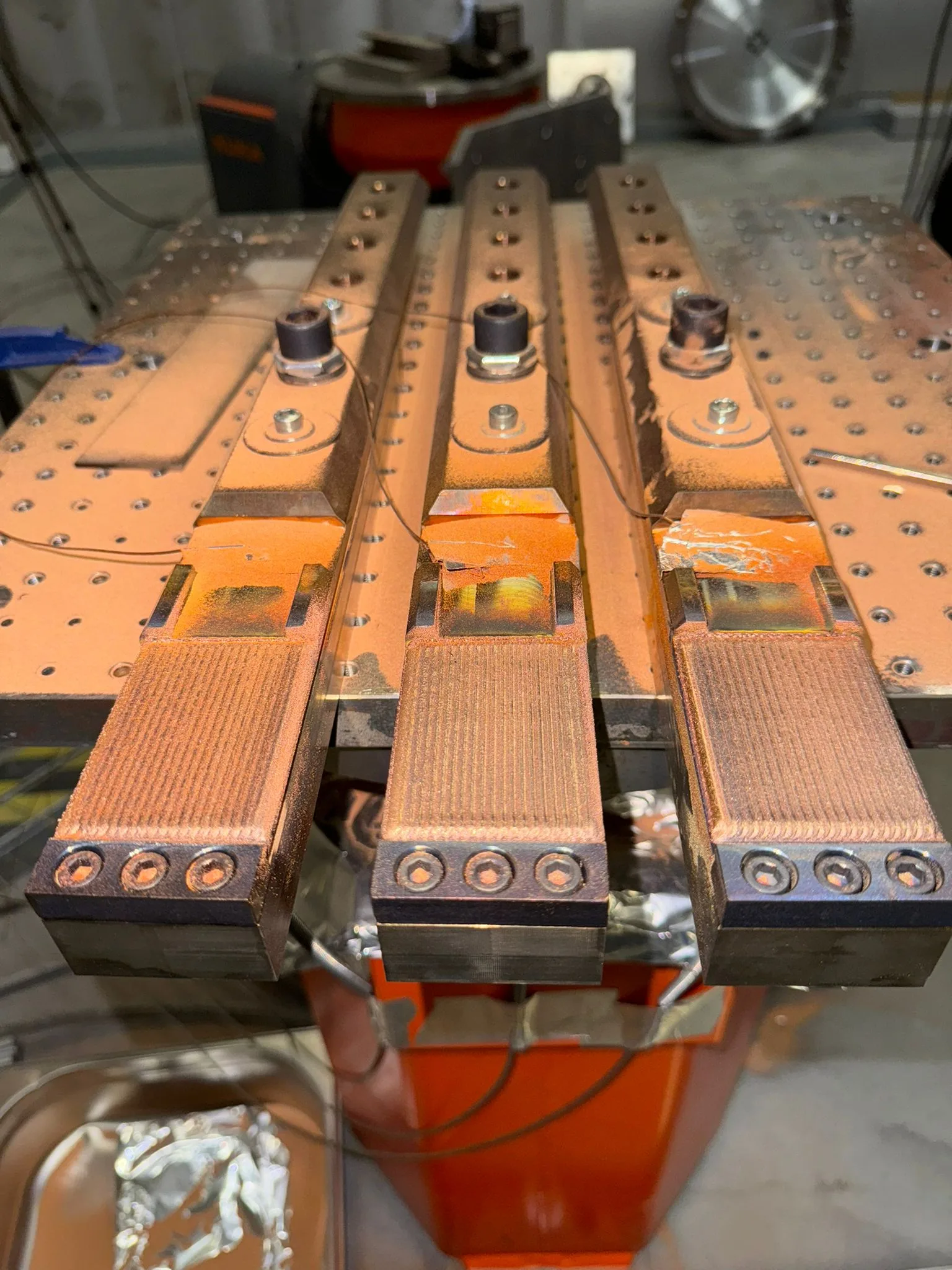
Copper substrates require a dedicated coating strategy.

Copper alloys pose different questions in absorption, temperature control, dilution and coating uniformity than many steels. The project shows what must be clarified before coating.

Valve-seat ring project

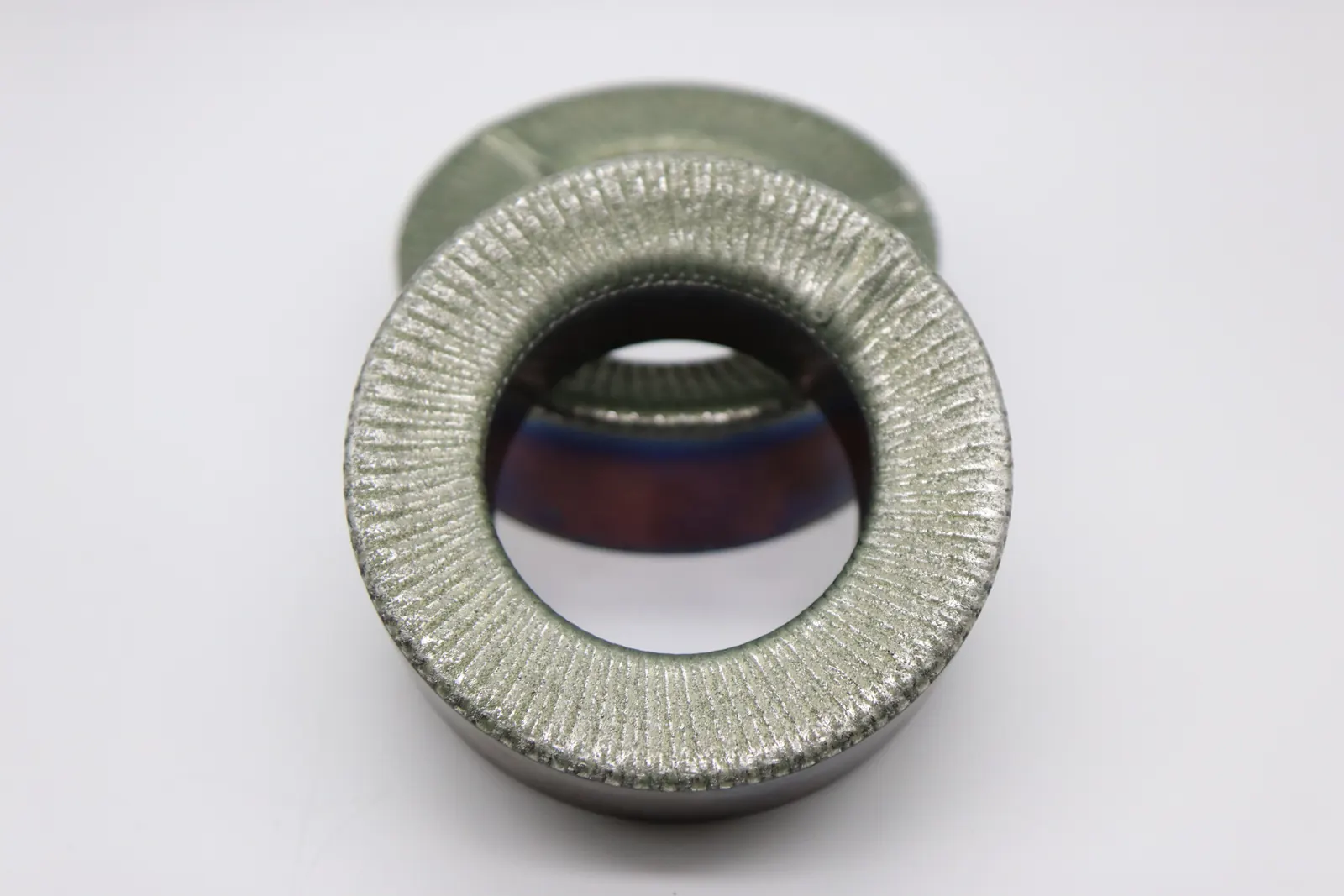
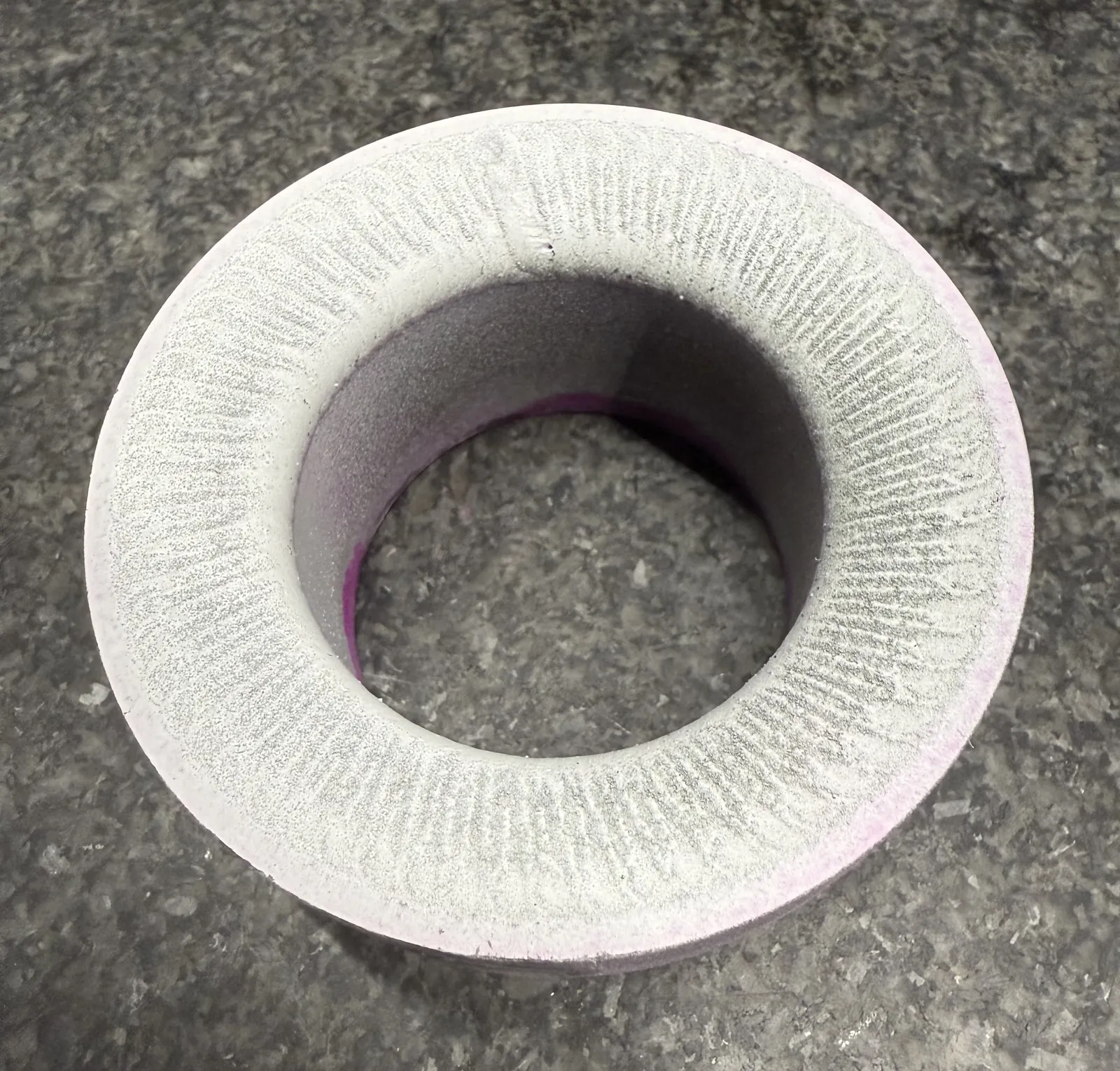
Hard wear layers need heat management, finishing and crack-risk planning.

For the valve-seat ring, preheating and LMD coating formed the process chain for a demanding functional surface. The exact coating material remains project-specific.

Valve seat ring after LMD coating before dye inspection

Hard functional surface

Hard wear layers need heat management, finishing and crack-risk planning.

  • include preheating in process planning
  • review crack risk, dilution and finishing together
  • define acceptance for the specific part

Forging-hammer project

High-impact tooling requires repair economics and material selection to be considered together.

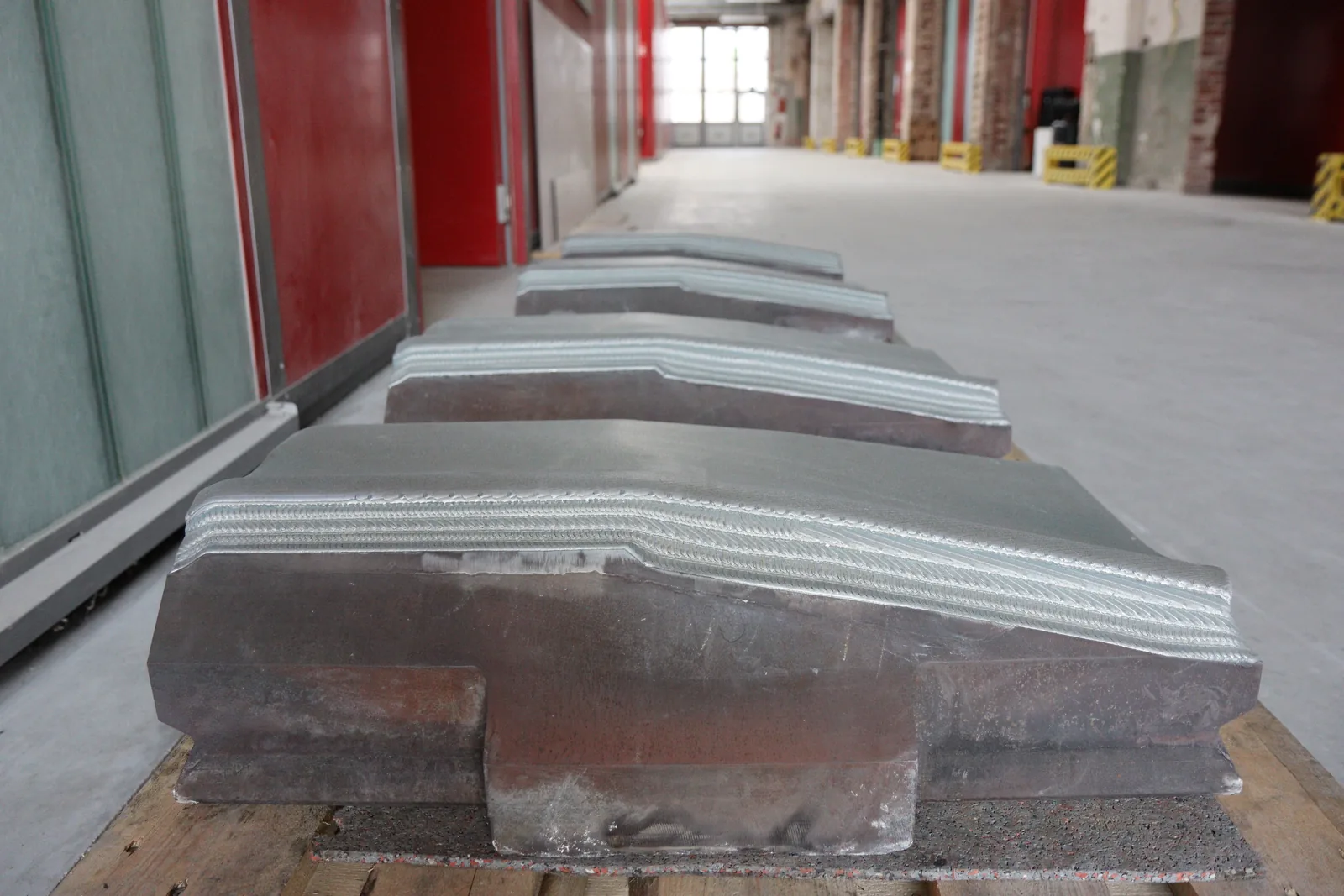
Hardness alone is not enough for high-impact tooling surfaces. Local reinforcement, toughness, bond, finishing, crack condition, and repair and replacement costs must be considered together.

Side view of forging hammers showing incremental LMD layers on the working surface

Impact tooling

High-impact tooling requires repair economics and material selection to be considered together.

  • repair the local wear zone instead of replacing the whole part
  • review alloy, toughness and crack risk together
  • clarify finishing and inspection before deposition

Technical guides

Read the cladding articles connected to this service.

These articles cover when laser cladding beats conventional coatings, how alloy selection works and how failure modes map to layer and inspection choices.

Valve seat ring after dye test with no visible cracks or pores in the photographed condition

Article

Laser Cladding for Wear Protection: When It Beats Conventional Coatings

Laser cladding is strongest when a component needs a dense metallurgical layer on a defined wear or corrosion zone.

Wear and corrosion
Turbo-generator rotor wedges after copper-alloy Laser Metal Deposition coating

Article

LMD Coatings on Copper Substrates: Heat Management, Preheating, and Validation

Laser Metal Deposition (LMD) coatings on copper or copper-alloy substrates need a different review than standard steel cladding.

Wear and corrosionMetal AM routeQualification
130 mm drill cover image for LMD build-and-coat workflow explanation

Article

How to Evaluate LMD Build-and-Coat Workflows: Geometry, Surface Function, and Validation

An LMD build-and-coat workflow is worth evaluating when a metal part needs both geometry creation and a functional surface layer. The route should be reviewed as one manufacturing chain:

Wear and corrosionMetal AM route
Valve seat ring after dye test with no visible cracks or pores in the photographed condition

Article

Valve Seat Ring Laser Cladding: Crack-Controlled Wear-Resistant Coating by LMD

Exafuse has publicly shown a valve seat ring coating workflow using Laser Metal Deposition (LMD): preheating in an oven, controlled application in the LMD machine and a wear-resistant...

Wear and corrosionMetal AM routeQualification
Used forging hammer working face with visible cracks and wear before LMD repair review

Article

How to Evaluate Forging Hammer Repair with LMD: Fit, Limits, and RFQ Data

Forging hammer repair with Laser Metal Deposition (LMD) is worth evaluating when damage is local, the base hammer is still usable, oxides and cracks can be handled, and the rebuilt working...

Repair vs replaceWear and corrosionMetal AM route
SEM cross section showing an LMD coating layer over a metallic substrate

Article

Alloy Selection for Laser Cladding: Fe-, Ni-, and Co-Based Options and Tradeoffs

Alloy selection for laser cladding should start with the failure mode, the base material, and the service environment, not with a powder brand name.

Wear and corrosion
Laser cladding surface protection component

Article

Corrosion and High-Temperature Protection: How to Choose Cladding Materials

Cladding materials for corrosion or high-temperature service should be selected from the actual exposure environment, not from hardness alone.

Wear and corrosion
EDX element maps from an LMD coating sample

Article

Failure Modes to Cladding Solutions: A Wear Mechanism to Alloy to Inspection Map

The right cladding solution starts with the failure mode, not with a favorite alloy family. Abrasion, erosion, adhesive wear, corrosion, oxidation, thermal fatigue, and impact each point...

Wear and corrosionQualification
130 mm drill during Laser Metal Deposition build and coating workflow

Article

From Metal Powder to Functional Drill in 24 Hours: What Rapid LMD Prototyping Can Prove

Exafuse has publicly shown a rapid LMD project example: a functional drill, described publicly as a "Bombenbohrer," produced from metal powder with an antimagnetic coating in under 24 hours.

Wear and corrosionMetal AM routeQualification
Valve seat ring after dye test with no visible cracks or pores in the photographed condition

Article

Metallurgical Validation for Laser Cladding: Bonding, Dilution, Microstructure, HAZ

Metallurgical validation for laser cladding should prove that the deposited layer is bonded correctly, that dilution is acceptable for the job, and that the resulting microstructure and...

QualificationWear and corrosion
Wear ring after dye test showing crack-controlled coating result

Article

Inspection Stack for Industrial Repairs: CT, UT, PT/MT, CMM - What Each Proves

No single inspection method proves everything on a repaired part. Visual checks, dimensional inspection, penetrant or magnetic testing, ultrasonic methods, CT, hardness checks, and...

QualificationRepair vs replace

Projects and common questions

Coating proof paths and direct answers.

These examples clarify material logic, coating limits and inspection expectations before a coating review.

Turbo-generator rotor wedges after copper-alloy Laser Metal Deposition coating

Published industrial project

Turbo Generator Rotor Wedge Coating with LMD: Heat-Controlled CuNi2SiCr on Copper Substrate

Exafuse developed an LMD coating route for turbo generator rotor wedges where the coating challenge was not only wear and corrosion resistance.

Wear and corrosionMetal AM routeQualification
Side view of forging hammers showing incremental LMD layers on the working surface

Published industrial project

Forging Hammer Repair and Coating with LMD

How Exafuse uses Laser Metal Deposition to rebuild and reinforce forging hammer working faces, including a 170 mm radius round-die coating example with 20 mm Inconel 625 and laser polishing.

Repair vs replaceWear and corrosionQualification
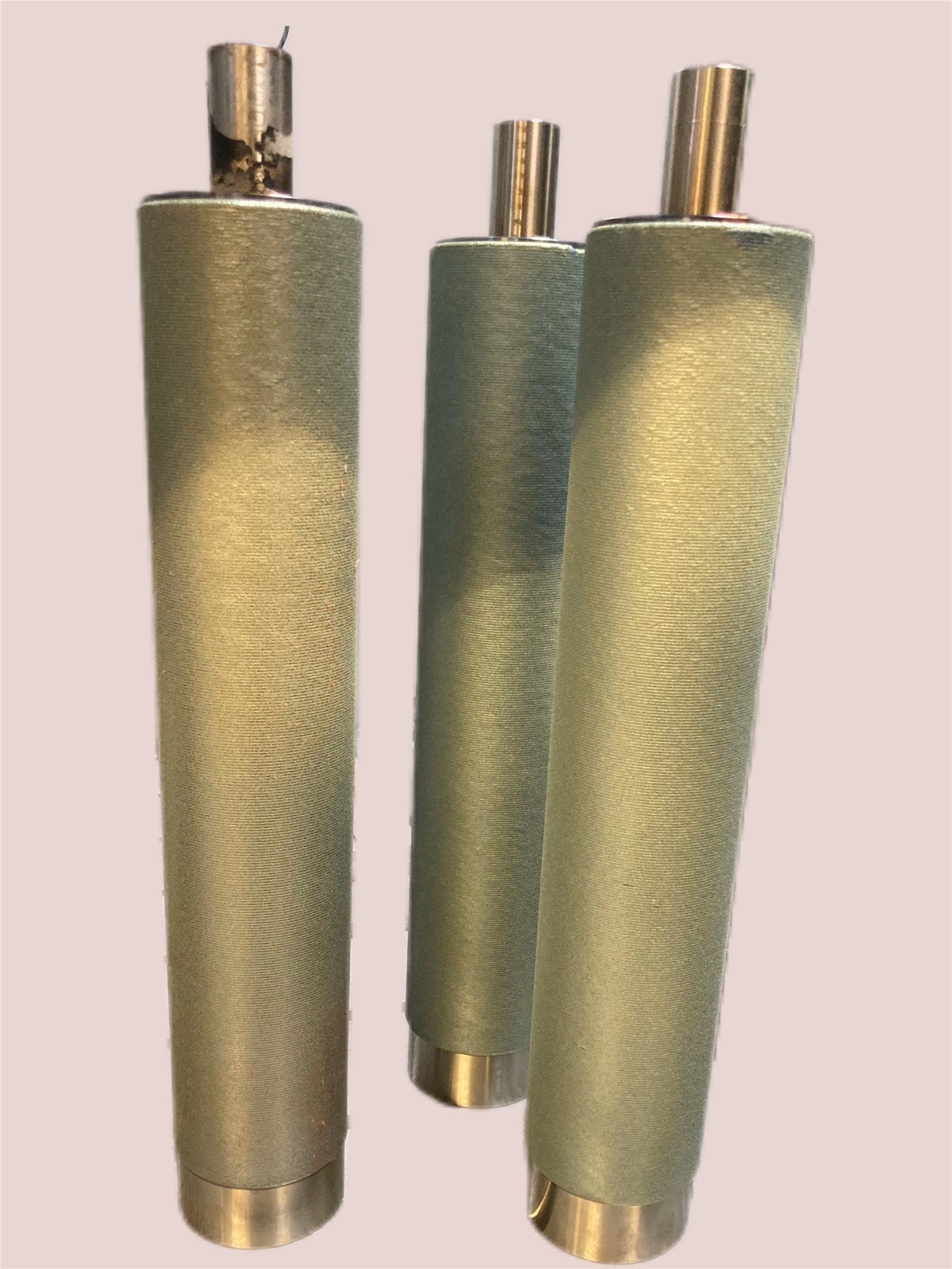
Final rolling die cylinder after laser cladding and finishing

Published industrial project

Rolling Die Cylinder Coating with LMD Laser Cladding

How Exafuse developed a laser-cladding route for a cylindrical rolling-die component using material screening, diameter build-up, crack and pore review, microscopy and HV1 hardness profiles.

Wear and corrosionQualificationRFQ and buying
Valve seat ring after dye test with no visible cracks or pores in the photographed condition

Published industrial project

Valve Seat and Wear Ring LMD Coating for Wear-Resistant Surfaces

Exafuse applied LMD / laser cladding to valve-seat and wear-ring geometries, combining layer planning, thermal control, finishing allowance and dye-penetrant inspection.

Wear and corrosionQualificationRFQ and buying
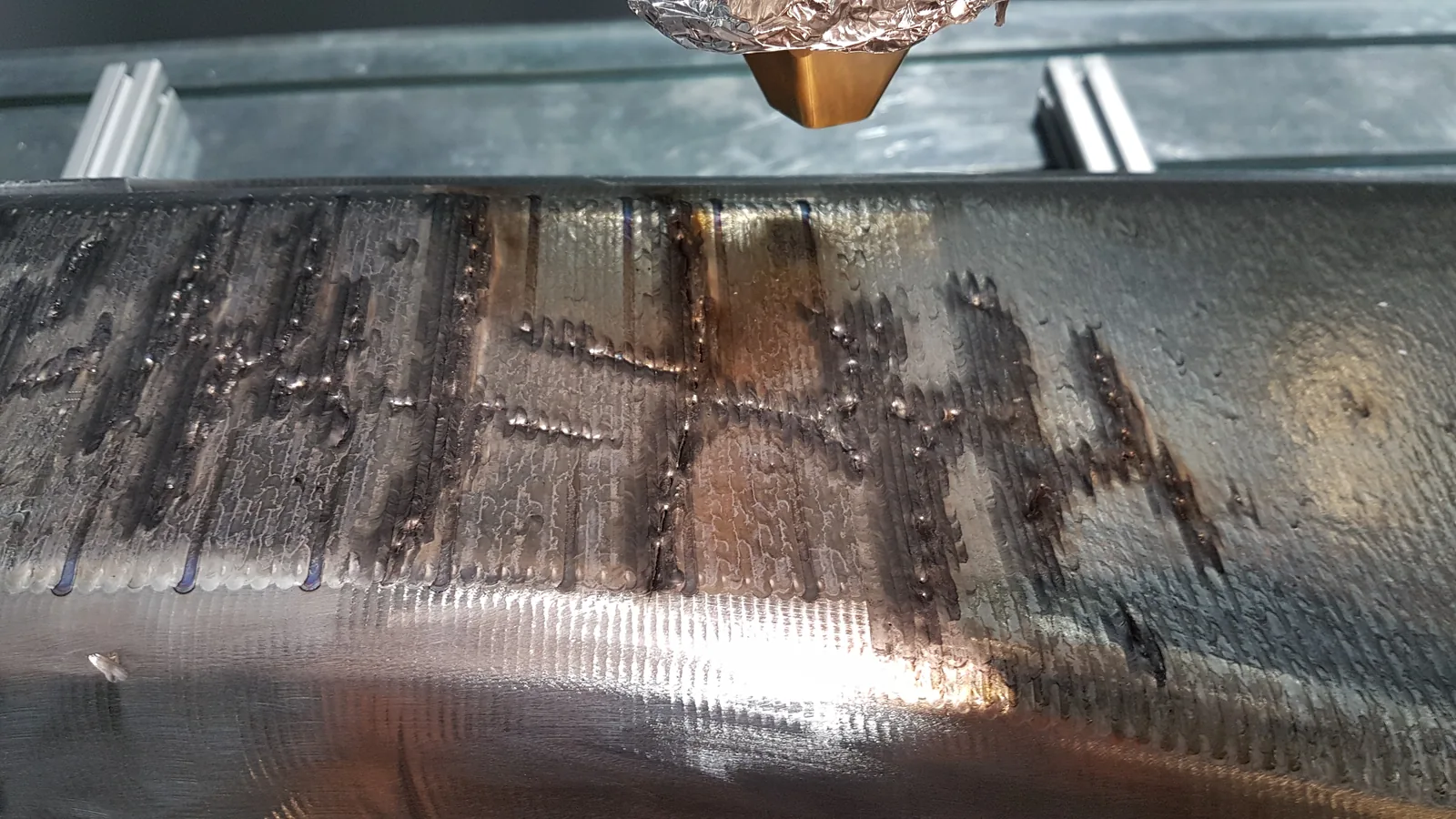
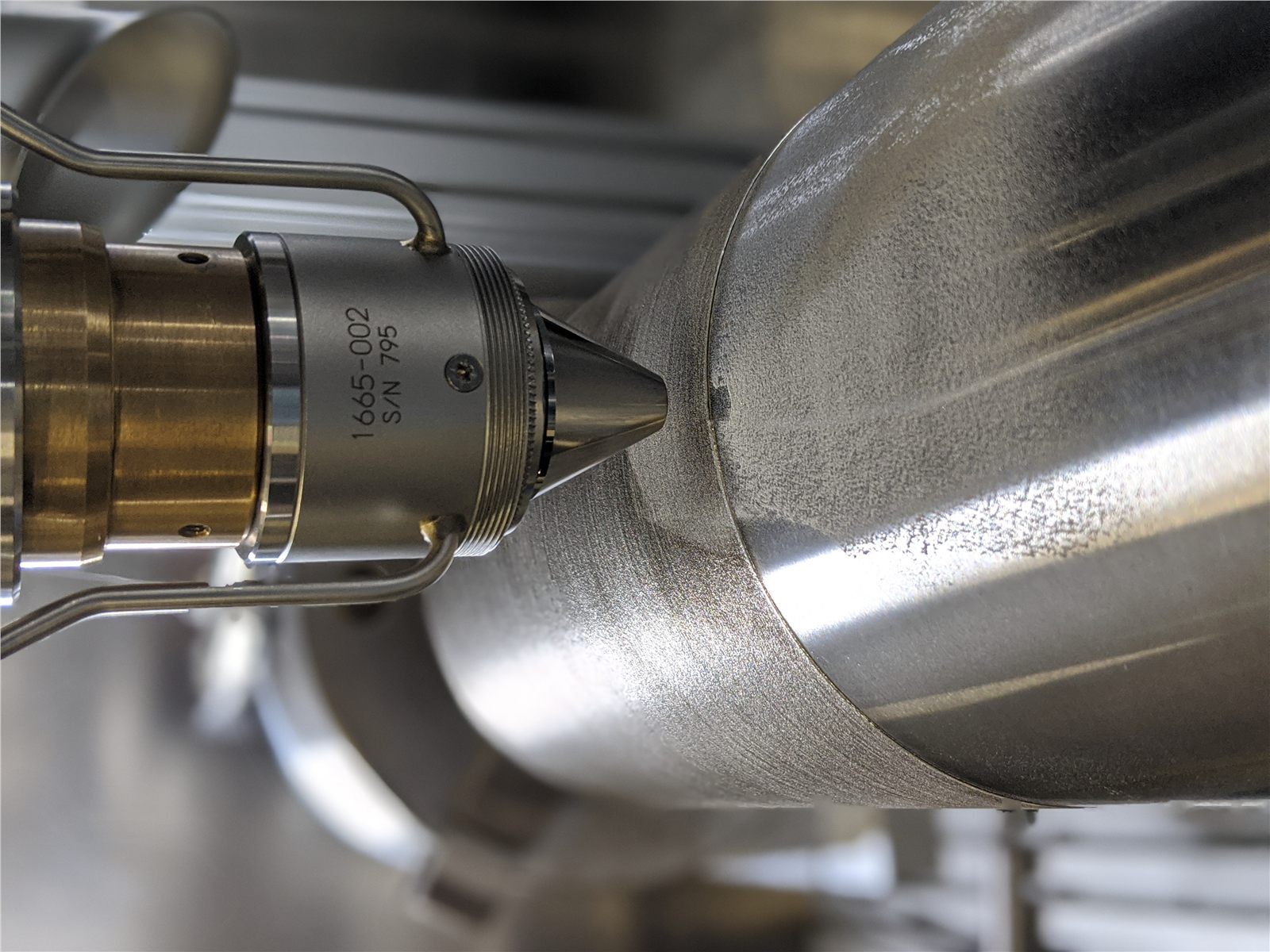
Laser Metal Deposition nozzle above a large cylindrical part during cladding

Published industrial project

Large Cylindrical Part LMD Cladding with Process Video

A visual case for LMD / laser cladding on a large cylindrical component, showing process access, rotation logic, surface planning and a short deposition video.

Wear and corrosionRepair vs replaceQualification

Coating recommendation

Send the failure mode, base material and surface zone.

Exafuse can review the likely alloy and layer strategy. Final feasibility depends on substrate, geometry, finishing, inspection and service conditions.

Get coating recommendation