LMD / DED-LB/M
For large parts and local material addition
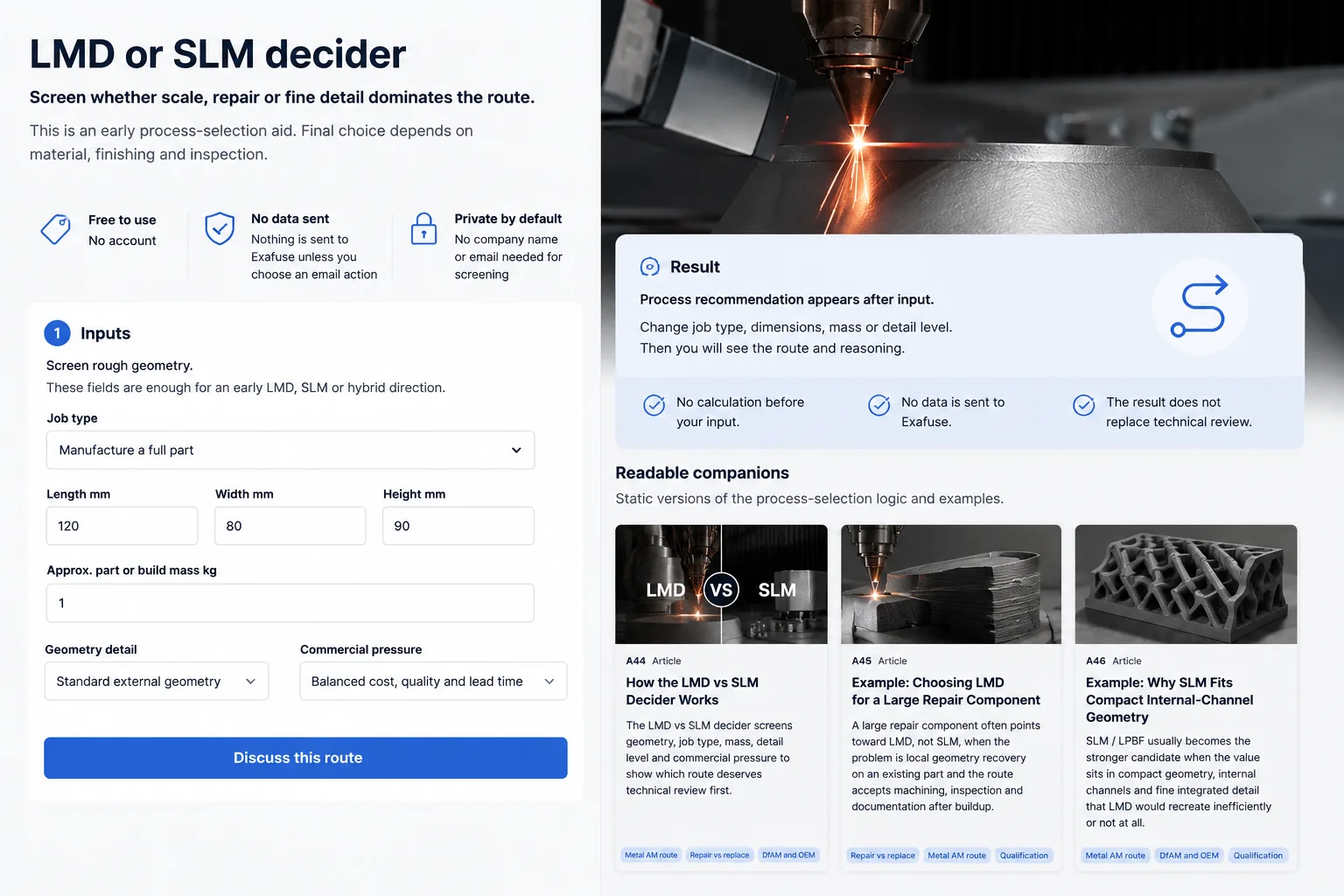
Use it when part scale, local build-up, repair, cladding or near-net-shape geometry creates the value.
 Metal additive manufacturing
Service / Metal AM
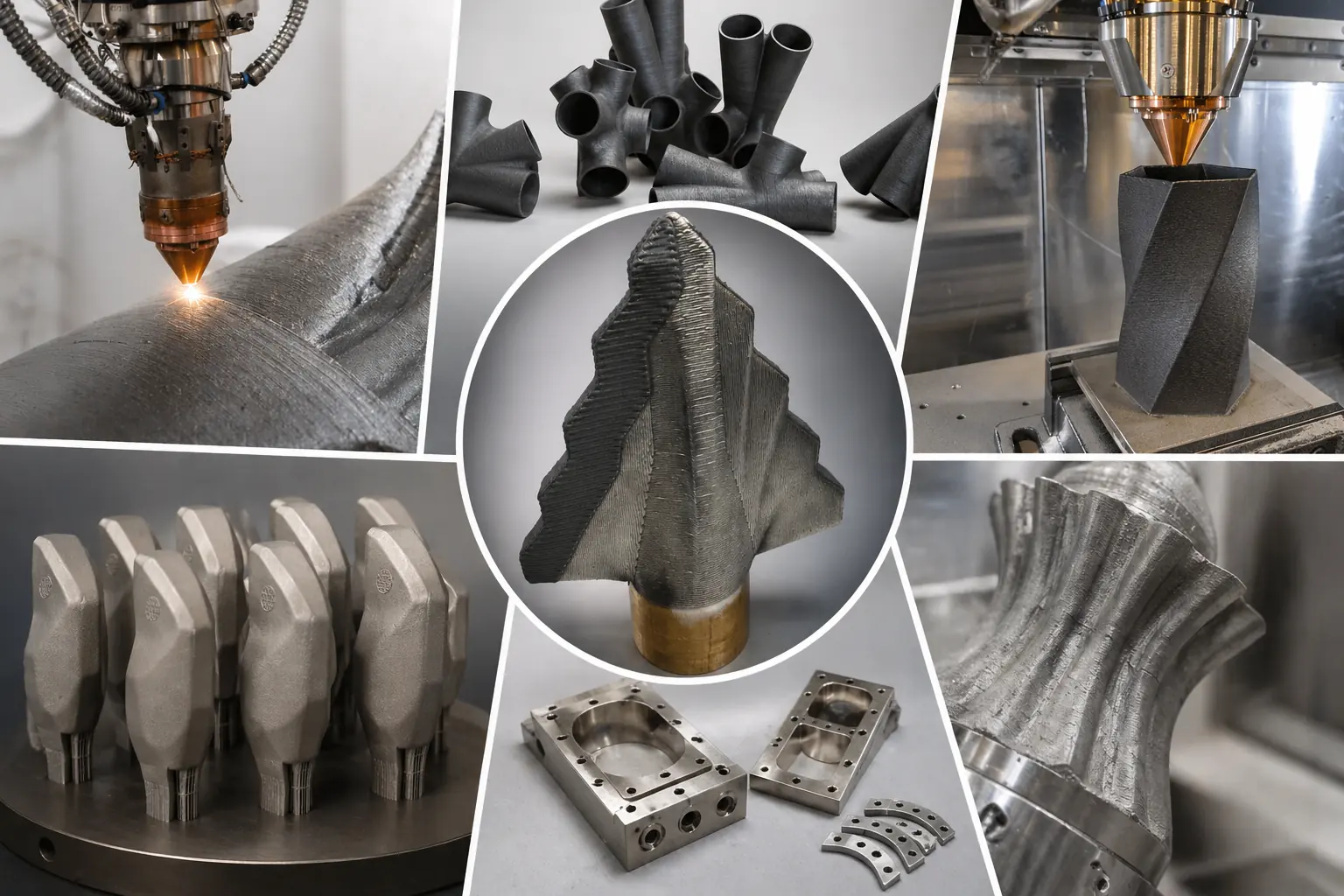
Use this route for new-build parts, prototypes, hard-to-machine alloys, compact SLM geometries, large LMD builds and projects where finishing and inspection must be planned from the start.
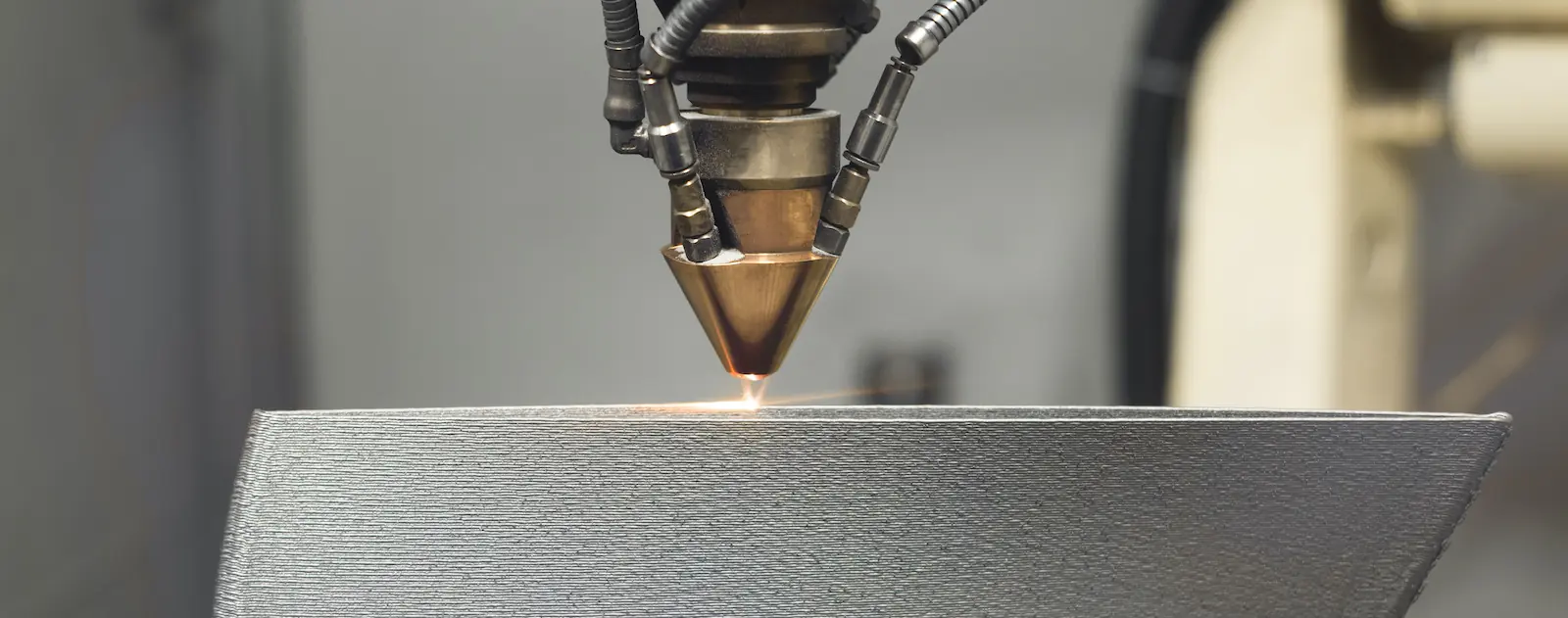
From CAD to manufacture
Technical review starts with the component requirements. Process, material, finishing, inspection and quotation scope are then aligned.
Duisburg bridge project
The public project connects CAD adaptation, path planning, manufacture, monitoring, validation support and final inspection for large LMD components.
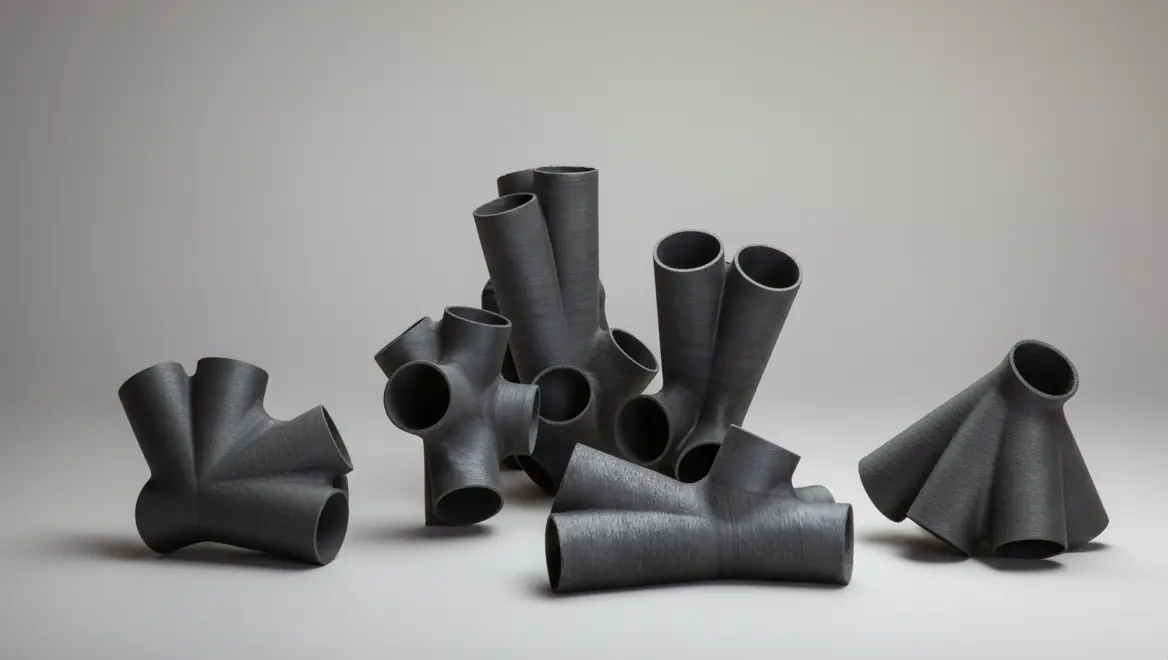
750 kg+ LMD components
The case study is relevant to large metal AM parts, robotic LMD, long builds and project-specific inspection planning.
130 mm drill project
The drill used LMD for both the base geometry and the functional coating. Geometry, coating, finishing and inspection are therefore assessed together.
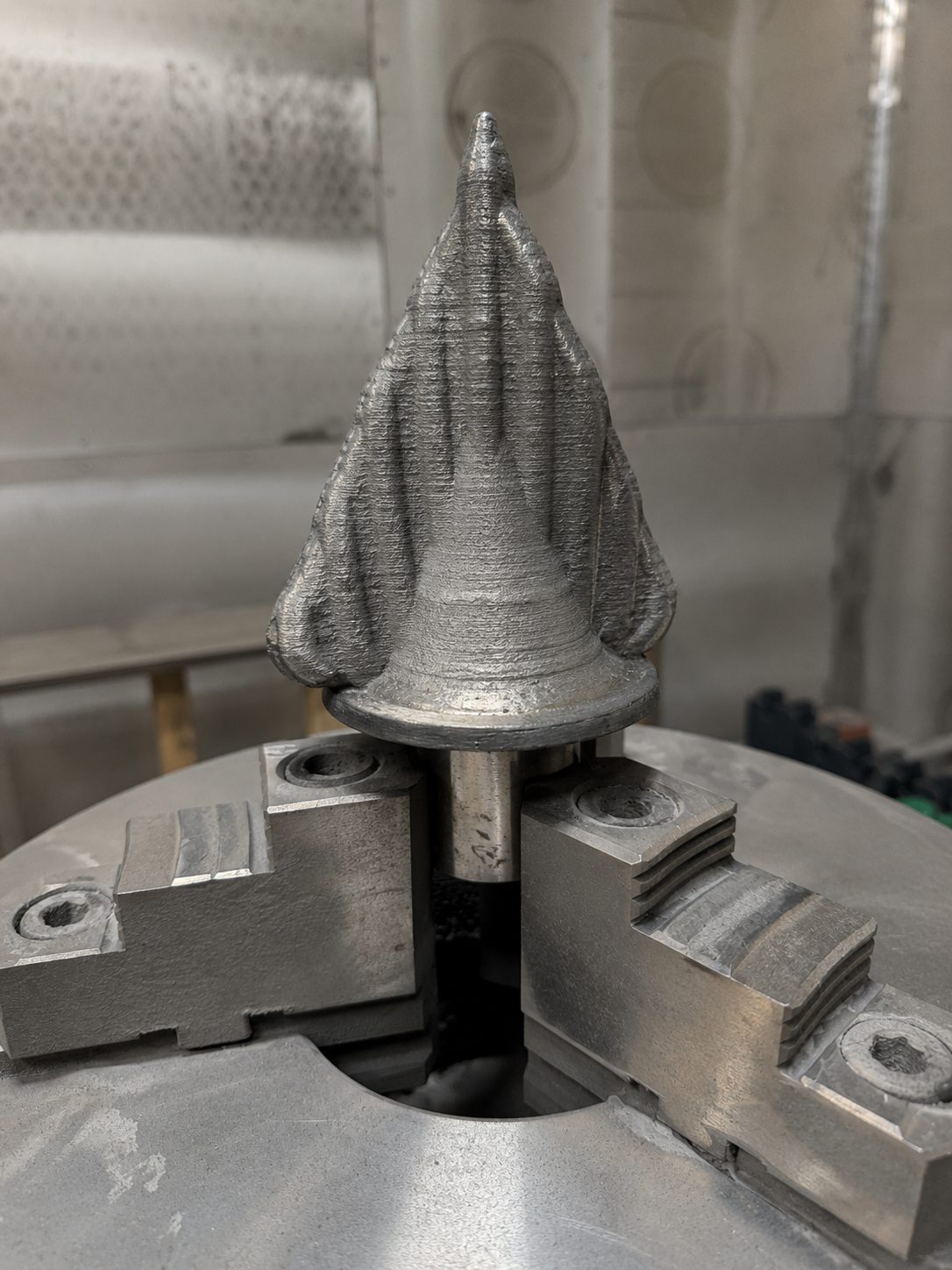
Build and coat
Multi-material nozzle project
The project demonstrates material zoning, thin-wall LMD planning and a long continuous build. Transfer to other geometries requires a separate review.
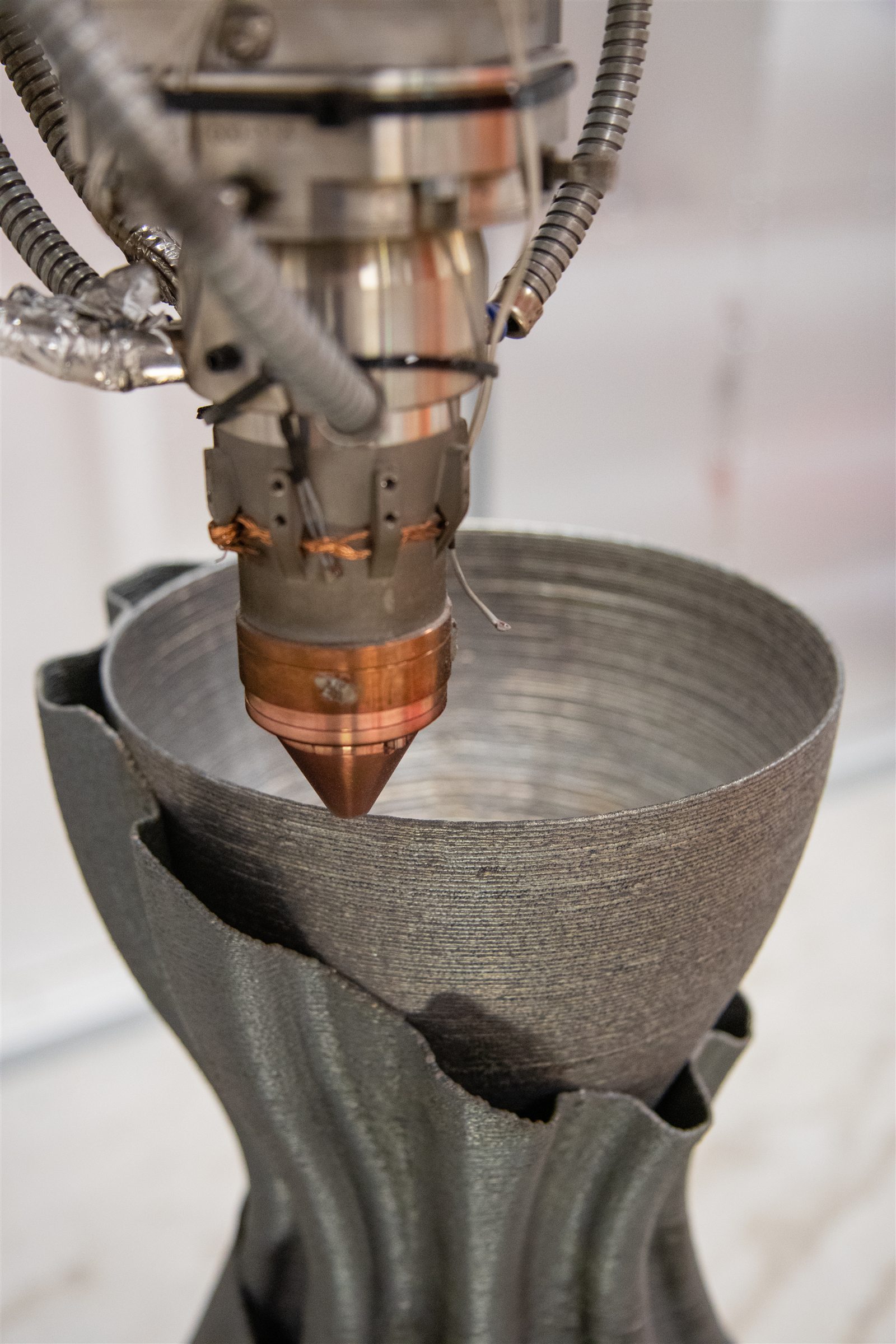
Material zoning
Technical guides
These guides cover process choice, component data, finishing and inspection before a technical enquiry.
Article
The Duisburg bridge project documents large structural LMD in a public infrastructure context, including component scale, manufacturing effort and the limits of what the published data can...
Article
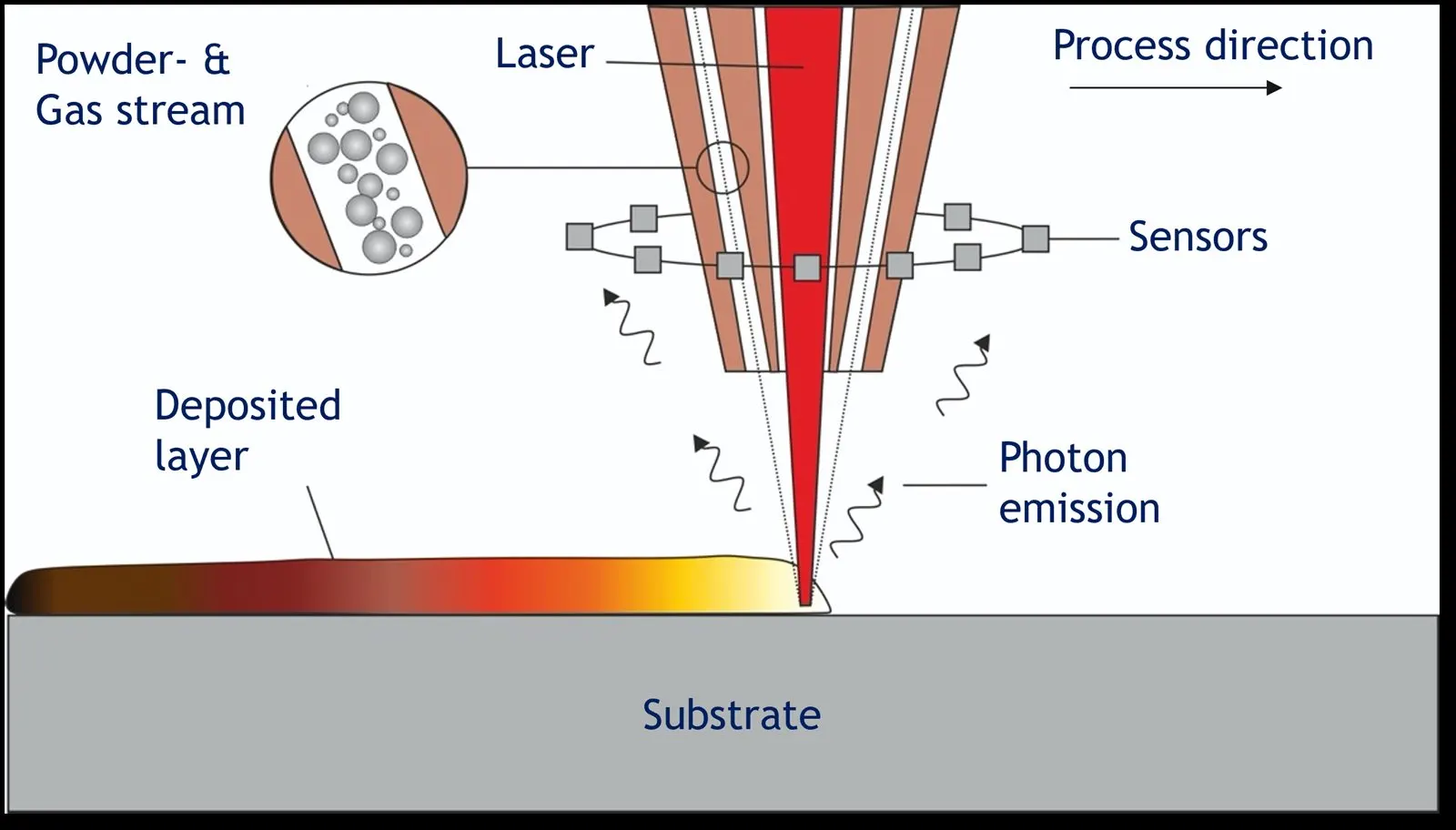
Laser Metal Deposition is most relevant for large parts, local material addition, repair and laser cladding.
Article
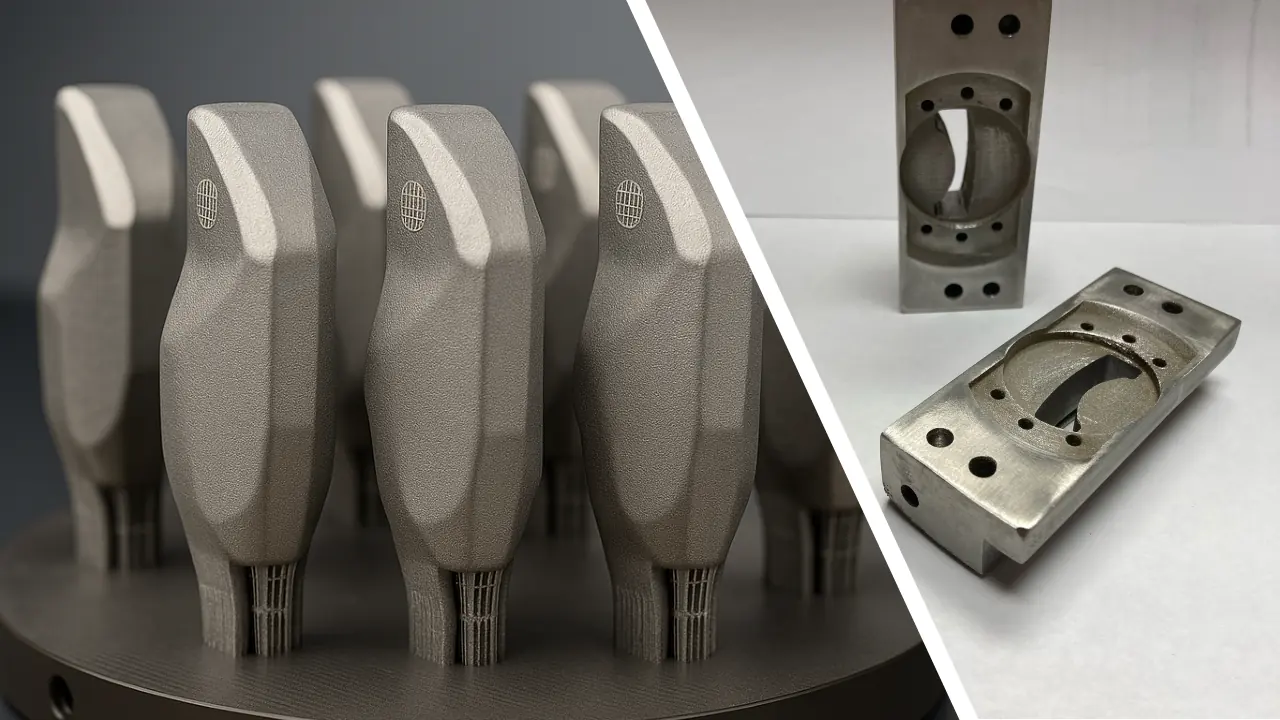
LMD and SLM/LPBF solve different manufacturing problems. LMD is usually considered for local buildup, repair, laser cladding and large geometry;
Article
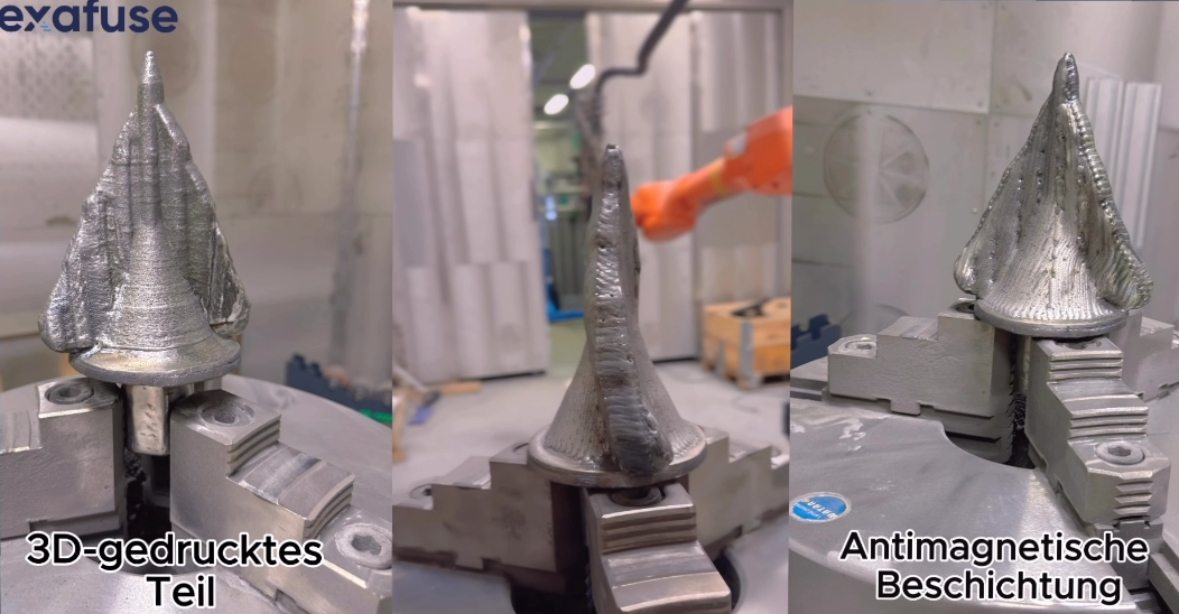
An LMD build-and-coat workflow is worth evaluating when a metal part needs both geometry creation and a functional surface layer. The route should be reviewed as one manufacturing chain:
Article
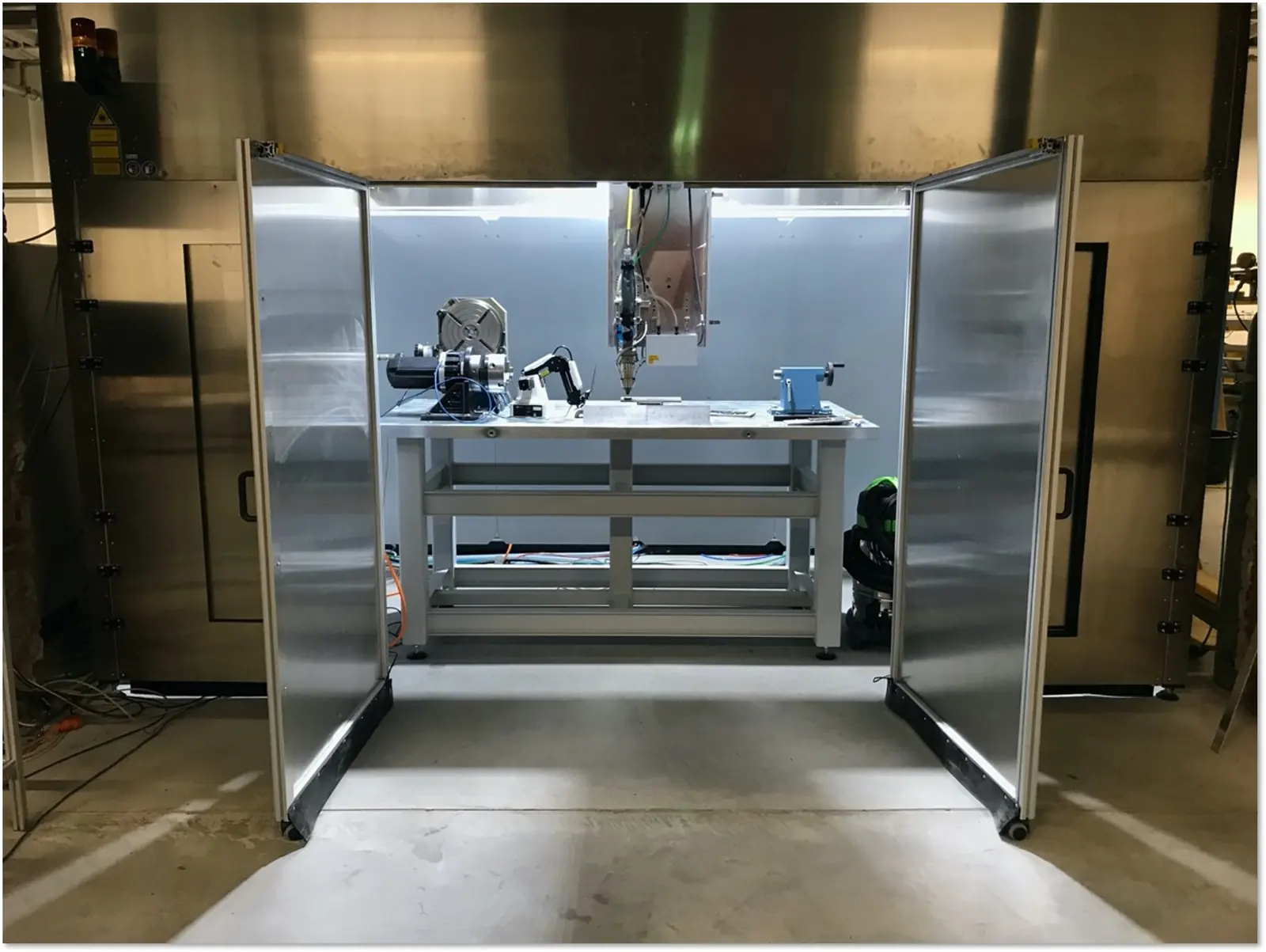
Large-part LMD is not just a scaled-up version of a small coupon build. For large components, productivity and quality depend on the interaction between bead width, overlap strategy, heat...
Article
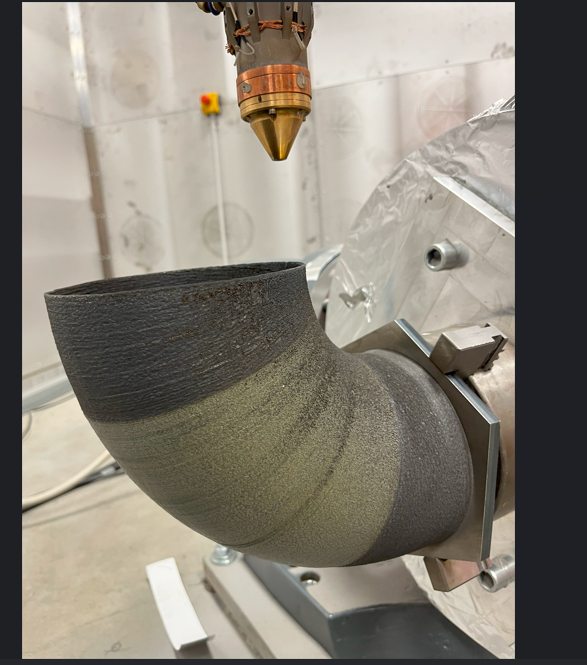
Functionally graded materials use a controlled transition between material compositions instead of one abrupt interface.
Article
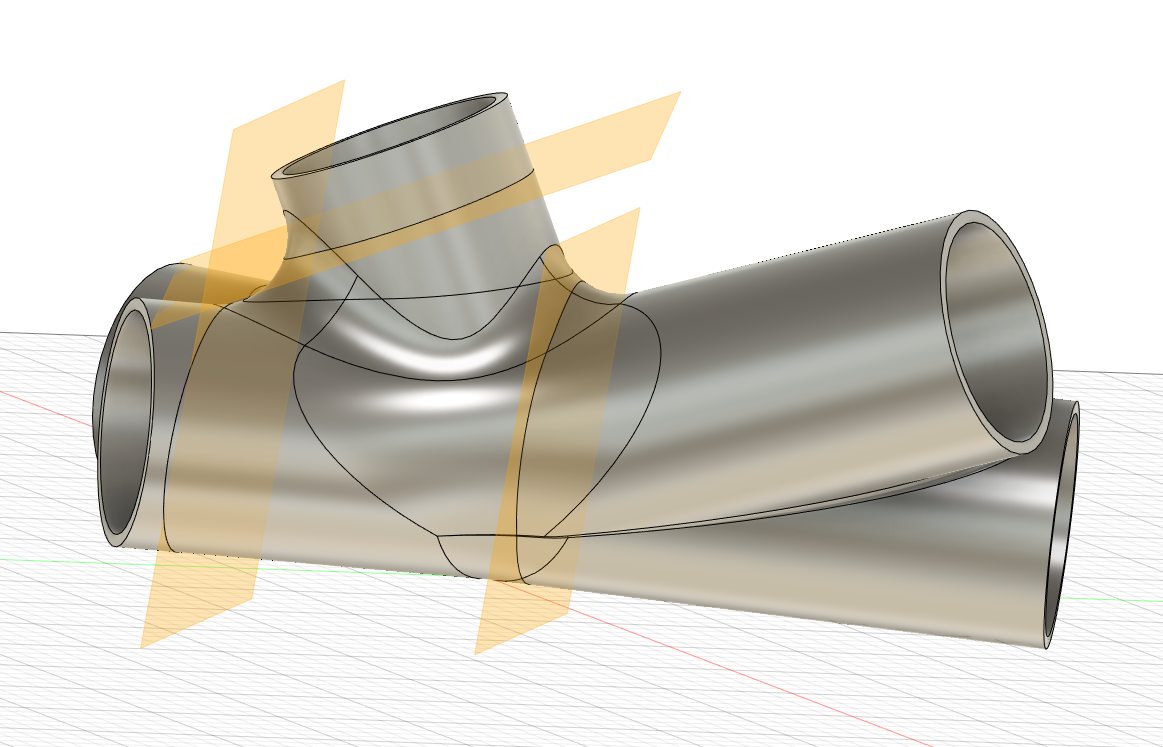
Design for Additive Manufacturing with LMD should focus on reliable near-net deposition, manageable heat input, and accessible finishing, not on powder-bed-style fine detail.
Article
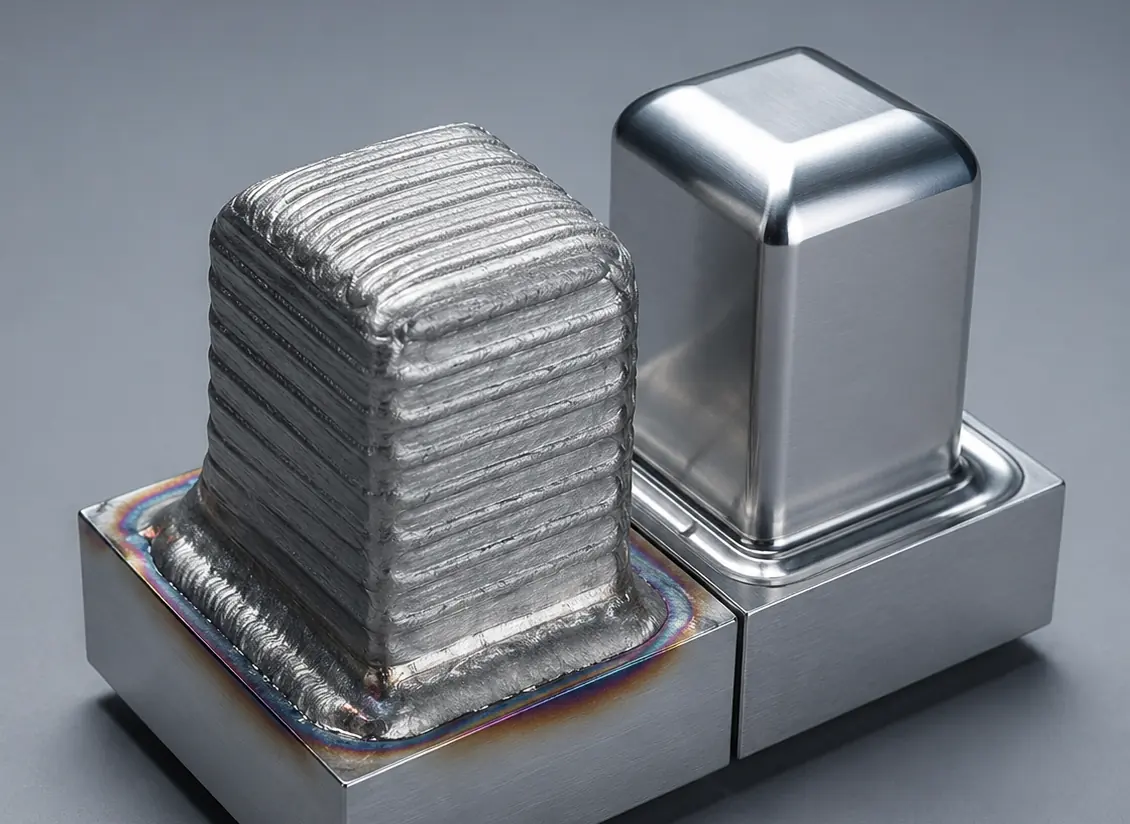
Hybrid manufacturing with LMD and CNC is often the practical route for large industrial parts. LMD adds material where it creates value.
Article
LMD becomes attractive for hard-to-machine alloys when the part is large, the raw material is expensive, and only selected geometry needs to be added or rebuilt.
Article
Exafuse has publicly shown a rapid LMD project example: a functional drill, described publicly as a "Bombenbohrer," produced from metal powder with an antimagnetic coating in under 24 hours.
Article
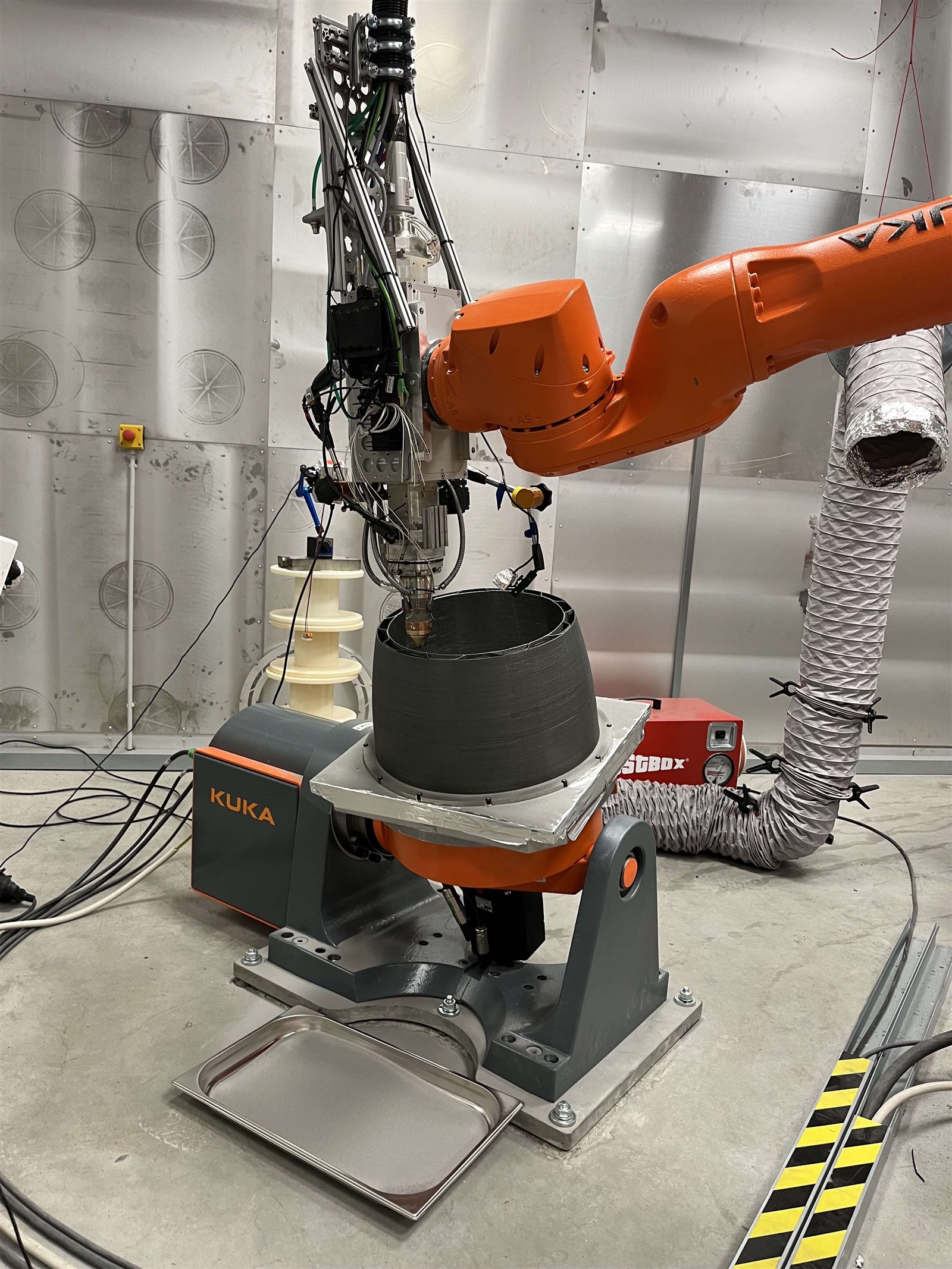
Exafuse has publicly shown a complex 750 mm water-cooled nozzle design manufactured by Laser Metal Deposition with two Ni-based alloys:
Projects and common questions
Compare relevant projects, machine limits and answers before requesting a technical review.
Public infrastructure project
Exafuse produced more than 750 kg of LMD components for a pedestrian bridge project in Duisburg, including six structural nodes and handrail elements.
Published industrial project
A 130 mm drill demonstrator showing how LMD can combine part build-up with a wear-resistant, antimagnetic functional coating in one planned manufacturing chain.
Internal demonstrator
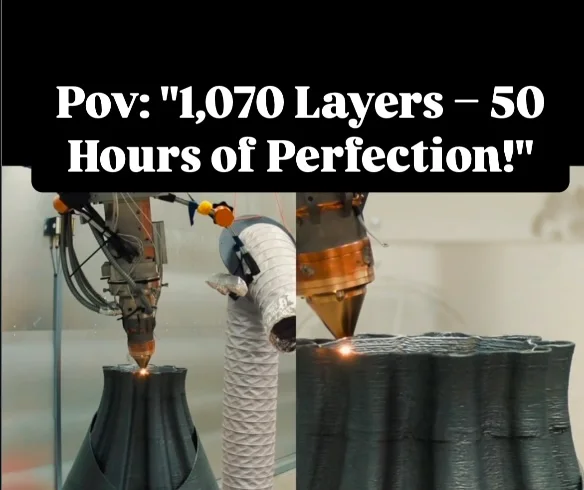
A published Exafuse case on thin-wall LMD, material zoning and long-build process planning using a 750 mm water-cooled nozzle demonstrator with Inconel 625 and Inconel 718.
Application guide
How bridge-node geometry illustrates why metal AM projects need DfAM, manufacturability review, wall strategy, finishing and validation planning before production.
Internal demonstrator
This functionally graded LMD pipe demonstrator examines material zones, controlled transitions, interface risks and validation requirements.
FAQ
Laser Metal Deposition (LMD) is a laser-based form of Directed Energy Deposition (DED / DED-LB/M) used to manufacture, modify, repair, or coat metal parts by feeding powder into a...
FAQ
LMD and SLM solve different industrial problems. LMD/DED is typically stronger for large parts, repair, local feature addition, and bead-based near-net-shape builds, while SLM/LPBF is...
FAQ
DfAM for LMD should be treated as design for a bead-based, near-net-shape process, not as design for a powder-bed process.
Manufacturing RFQ
Exafuse can review whether LMD, SLM or a hybrid route is the practical process path. Final pricing and feasibility depend on technical review.