
Large structural and visible components
Start with CAD manufacturability, access, interfaces, finishing and the validation required for the installed component.
One more related item is available through the linked hub pages.
Industries and applications
The industry provides context. Technical feasibility follows from component function, substrate, damage, access, finishing and acceptance requirements.
Components and duties
Each card links to a documented project. Its results apply to that project scope and do not constitute blanket industry approval.

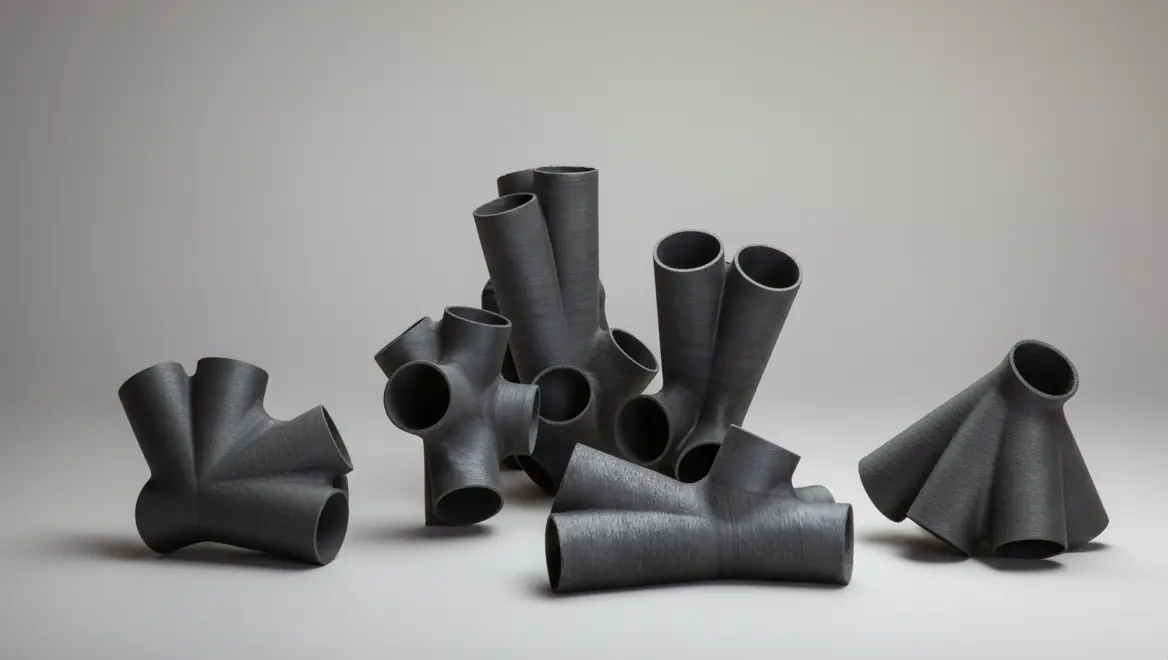
Infrastructure
For bridge nodes, handrails and large connection geometry where CAD adaptation, assembly surfaces and inspection need to be planned together.
View project example
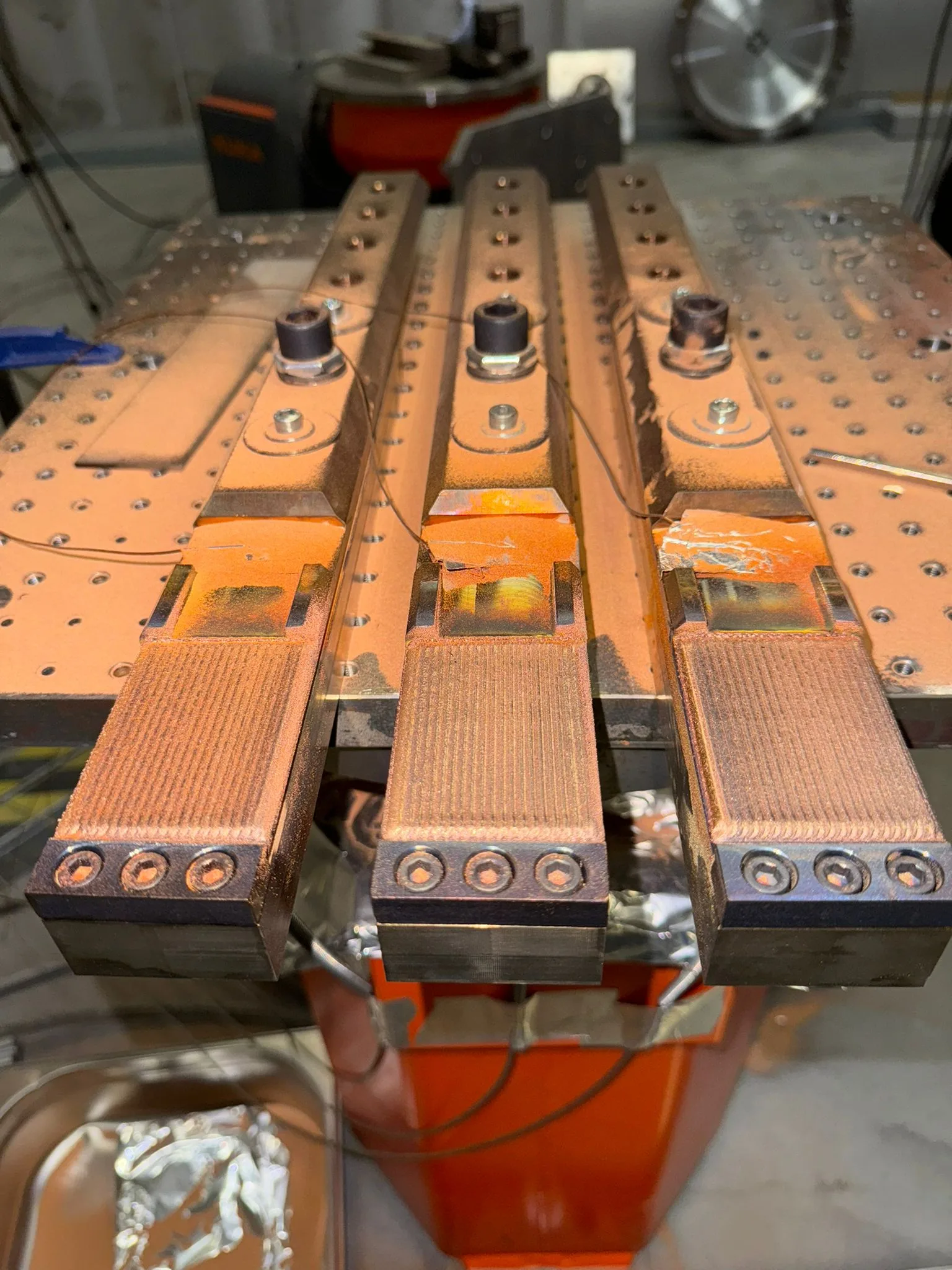
Energy and turbomachinery
For rotor wedges, copper substrates and other components where heat input, layer uniformity and substrate behaviour are critical.
View project example
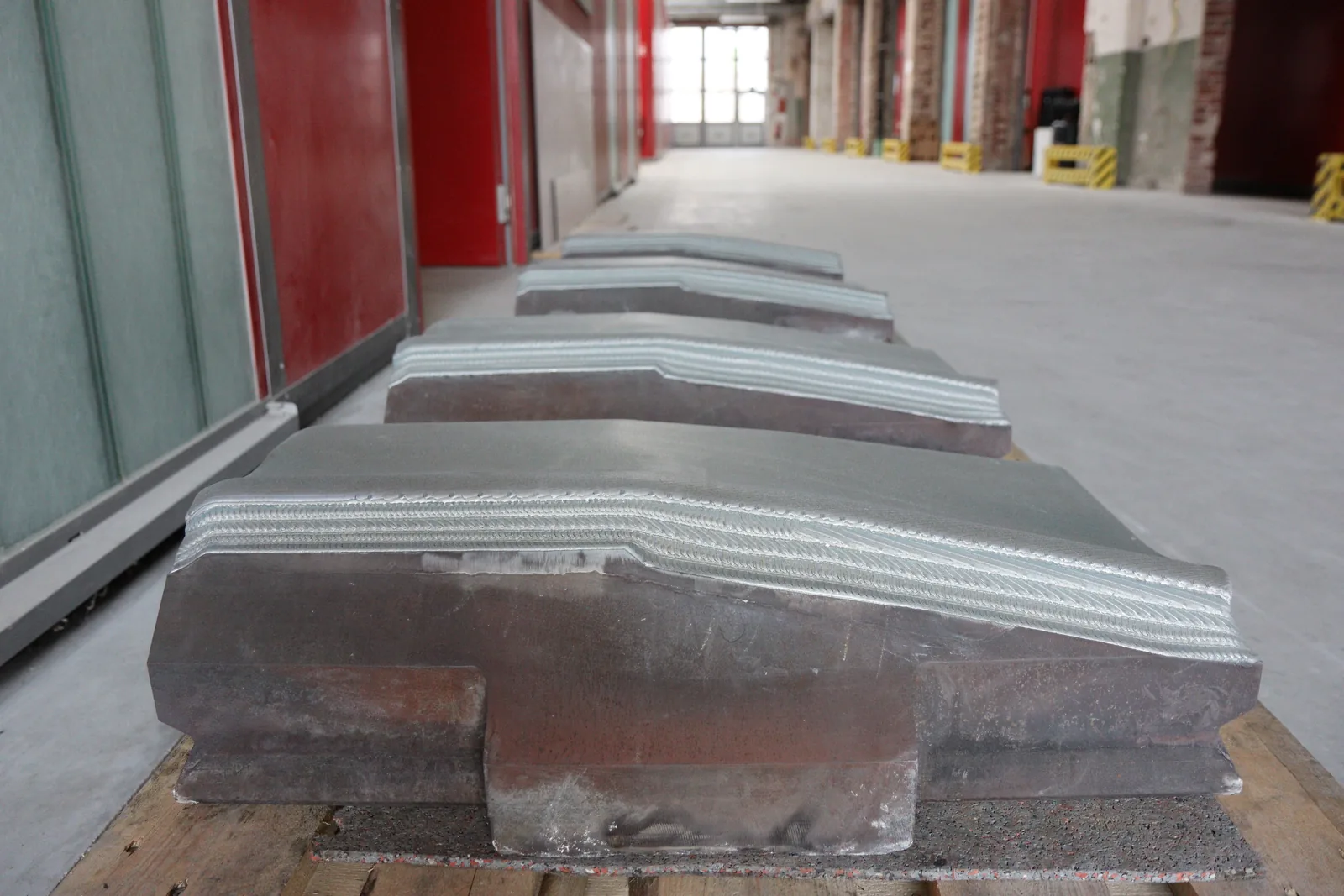
Tooling and forming
For forging hammers, dies and hot-forming tools where repair, toughness, crack condition and finishing need to be compared with replacement.
View project example
Mining and heavy industry
For large wear components where local material addition or a hardfacing layer may reduce downtime and replacement effort.
View project example
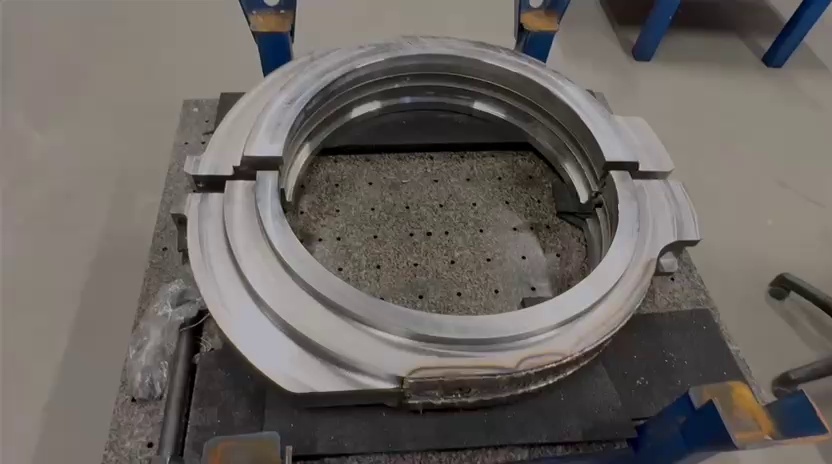
Process industry and plant equipment
For media-contact or sliding surfaces where material choice, final machining and inspection define the coating approach.
View project example
Product development
For new parts and demonstrators where geometry, material zone and surface function are developed iteratively.
View project exampleFeasibility questions
Answers may be incomplete. Unknowns are identified as part of the technical review.
Similar application?
Exafuse will assess whether new manufacture, repair, modification or laser cladding is worth pursuing.
Request feasibility reviewRecommended next steps
Continue with a relevant service, case study, technical article, FAQ or feasibility request.
Start with CAD manufacturability, access, interfaces, finishing and the validation required for the installed component.
One more related item is available through the linked hub pages.
Compare local damage, downtime, replacement lead time and repair acceptance before choosing a manufacturing process.
2 more related items are available through the linked hub pages.
Define impact, abrasion, temperature and the required working surface before reviewing repair or laser cladding.
3 more related items are available through the linked hub pages.