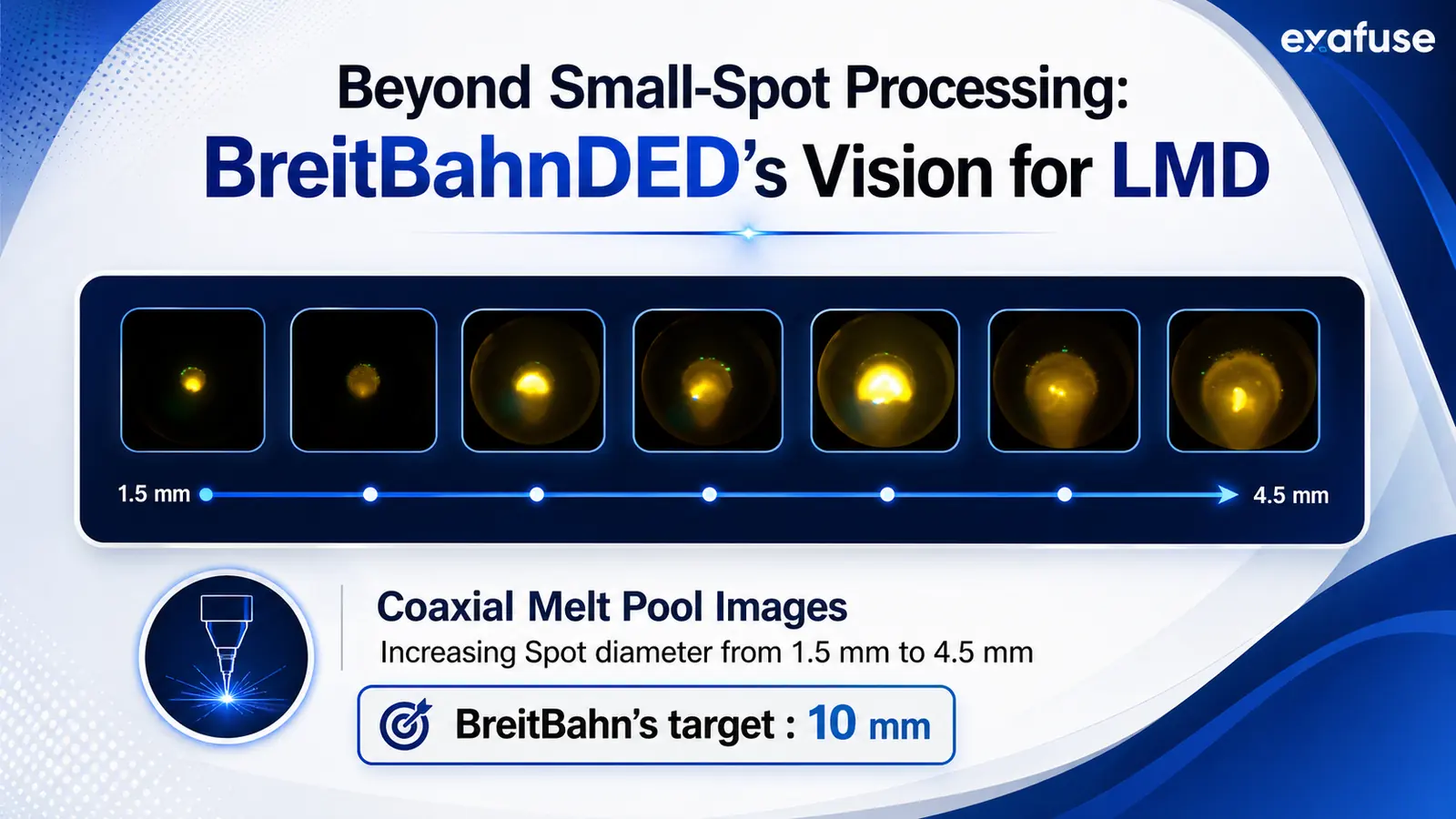
BreitbahnDED
BreitbahnDED investigates wider LMD tracks and their industrial validation.
- investigate wider and more uniform DED/LMD tracks
- evaluate productivity together with the process window
- plan validation before industrial use
 Metal additive manufacturing
Research & projects
Exafuse discusses publicly funded projects, collaborative research and development themes here without publishing confidential project data.
Public collaborative project
The work focuses on rotating multispot optics, wider deposition tracks, process stability and the validation needed before industrial use.
BreitbahnDED
Public collaborative project
The project considers additive manufacturing across process boundaries: SLM/LPBF for compact functional geometry, LMD for local material addition, and combined process chains with finishing and inspection.
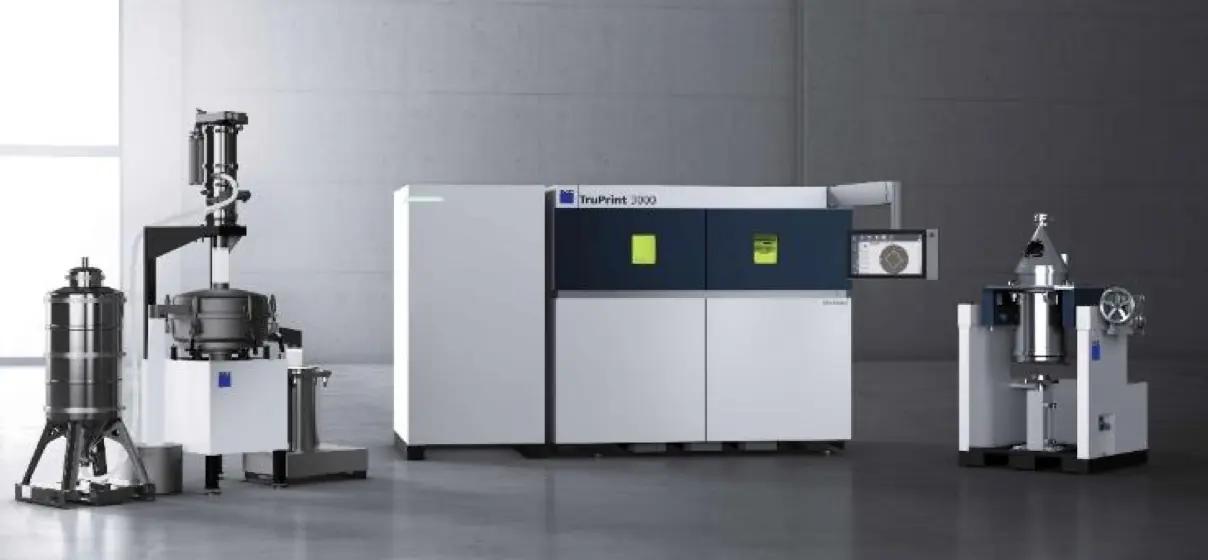
Additive tooling route
Research work
Collaborative projects examine new manufacturing approaches within a defined scope. Monitoring and data work deepen process understanding; both still require application-specific validation.
BreitbahnDED and EIS-KW address specific questions in deposition width, tooling concepts, heat management and industrial validation.
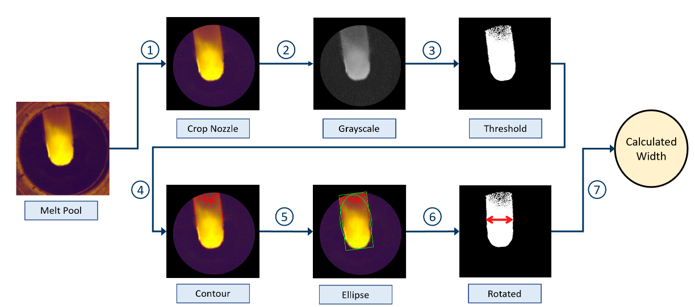
Image and sensor data are used to investigate process behaviour and support inspection planning. Part acceptance remains a separate decision.
Understanding maturity
The stages distinguish research direction, demonstrator evidence and part-specific qualification. They are not certification or acceptance grades.
Define the objective, measured variable, material or process question and unresolved assumptions.
Use a coupon or demonstrator to examine the approach under defined conditions.
Approved project results show what was observed within a specific trial or application context.
Define material, geometry, process, finishing, inspection and acceptance criteria for the actual application.
If the material, geometry, process route or acceptance criteria change, transferability must be reviewed again.
What research makes visible
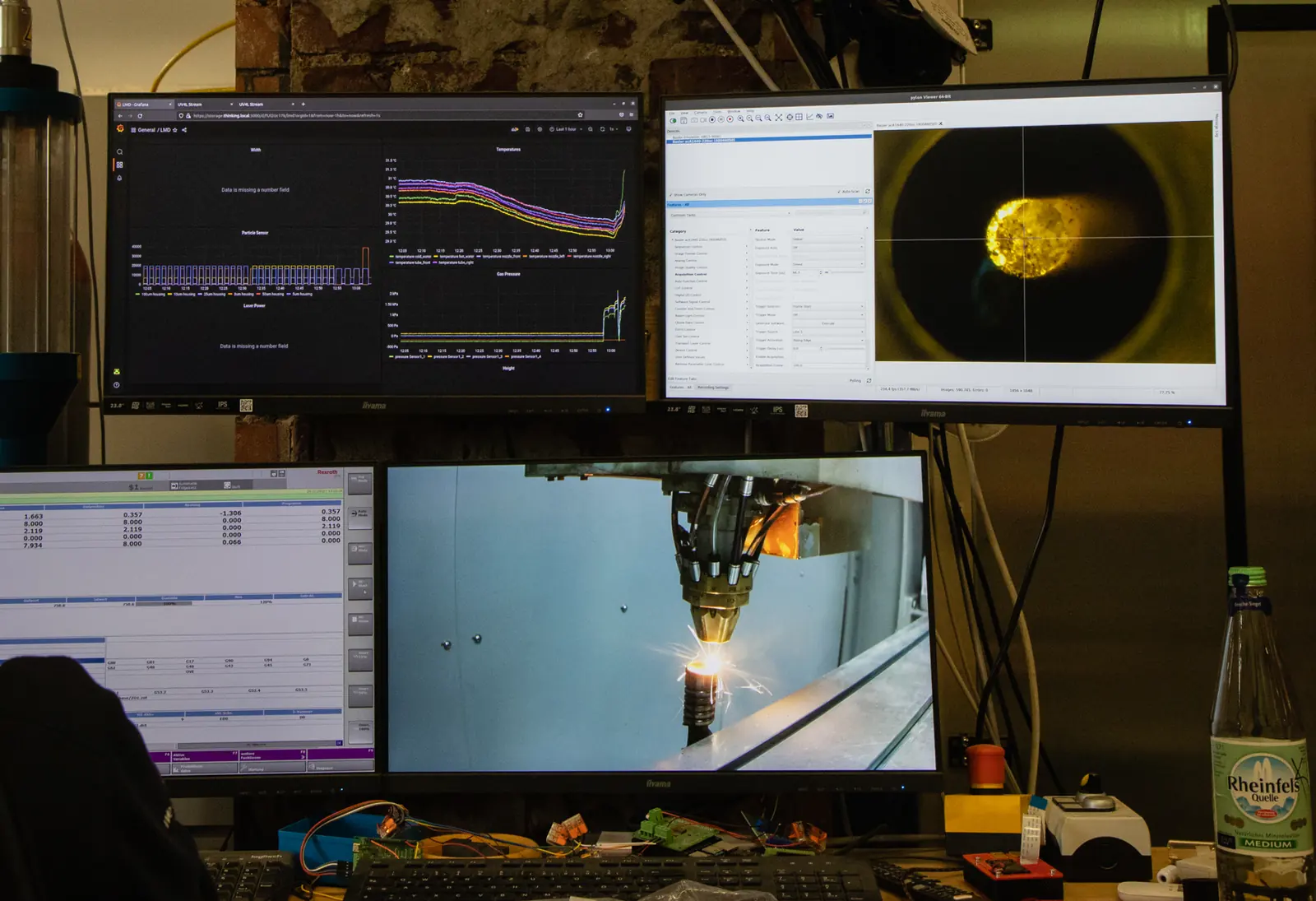
Melt-pool and image data can reveal anomalies and make trials easier to compare. Physical inspection and agreed acceptance criteria remain necessary for release.
Monitoring and AI
Exafuse role
Research results support engineering assessment. Suitability for a specific component is still decided from the part data and inspection requirements.
Research themes
The work ranges from wider deposition tracks and additive tooling concepts to process signals, AI-assisted analysis and physical inspection.
Sensor and image data help Exafuse understand LMD processes more clearly. They do not replace part release.
02 / AI AI as decision supportModels can prioritize signals and review triggers, but they still need inspection, metallography and engineering review.
03 / SLM / LPBF Additive tooling conceptsEIS-KW belongs to additive manufacturing as a whole: SLM / LPBF, LMD, cooling concepts, material route and validation.
04 / DED-LB/M Wider deposition tracksBreitbahnDED examines more productive DED/LMD tracks for larger areas, repair and coating.
05 / Validation Inspection and boundariesResearch stays credible when each monitoring or process claim says what it can show and what it cannot prove.
Research articles
These pages explain monitoring, AI-assisted control and neural-network image processing without exposing confidential model data, process parameters or customer results.
Article
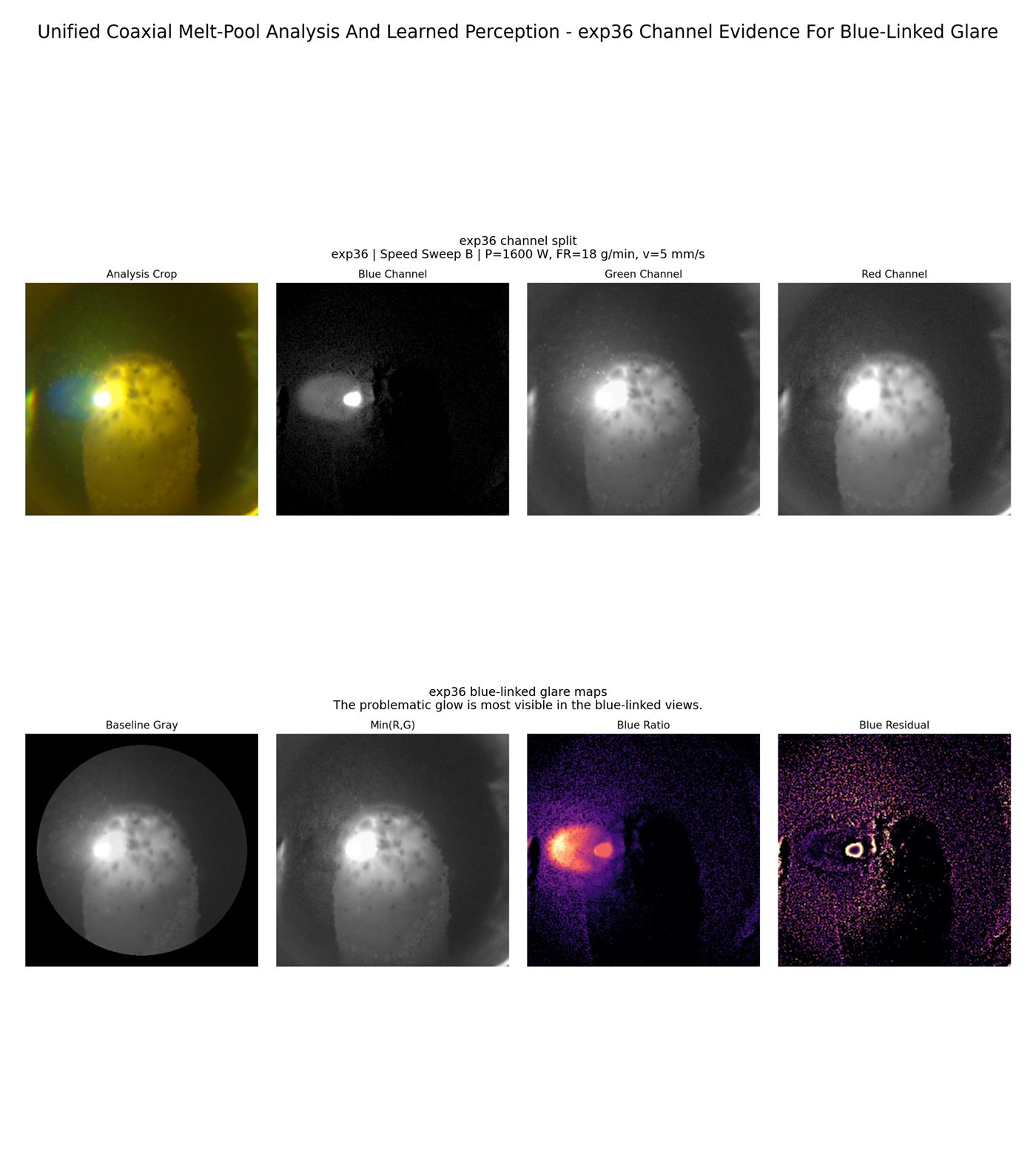
Melt-pool monitoring in LMD is useful when it helps engineers see process behavior, compare signals with physical evidence and decide what needs closer review. It cannot by itself establish final part quality.
Article
AI in Laser Metal Deposition is strongest as decision support, process-image interpretation and structured technical review. It becomes risky when model outputs are treated as autonomous quality release or closed-loop control...
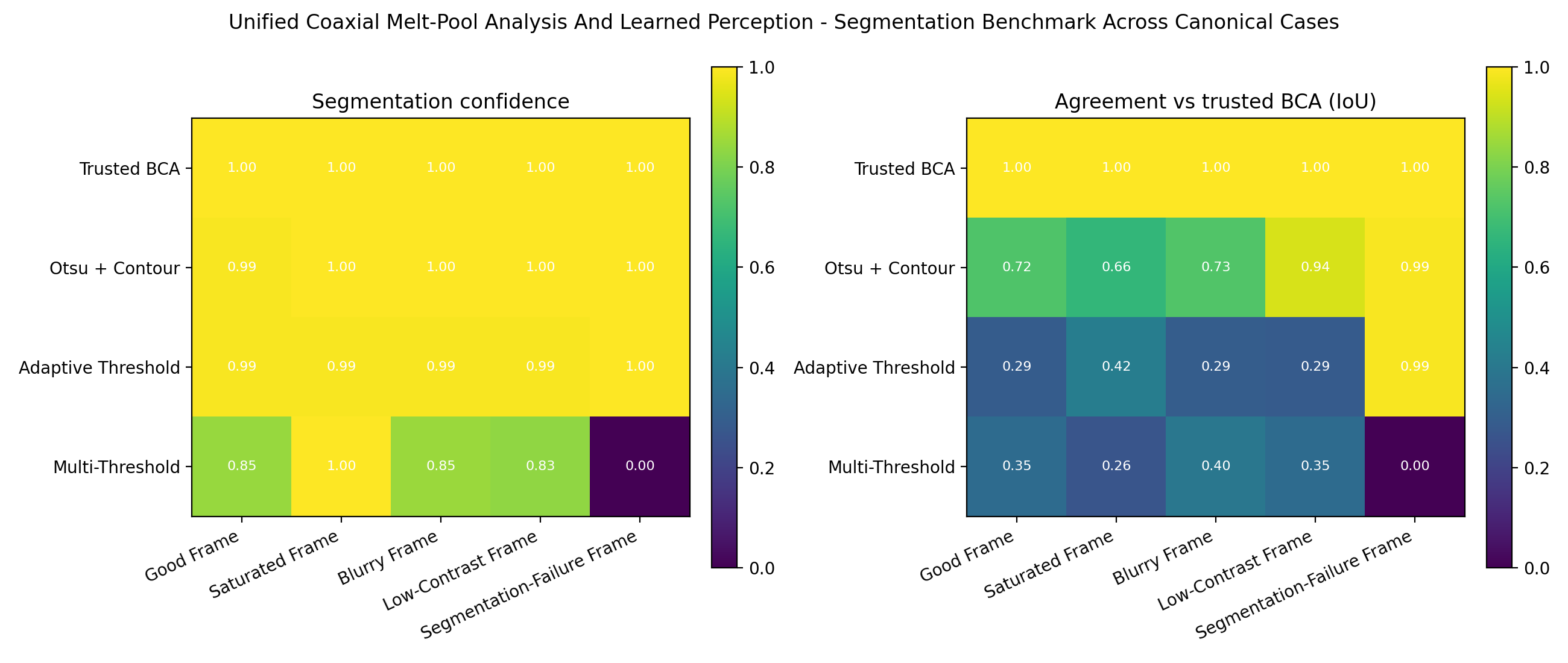
Article
Computer vision can improve melt-pool monitoring in LMD, but only when teams control dataset drift, false positives, false negatives and the gap between image patterns and physical part quality.
Article
AI outputs in Laser Metal Deposition become credible only when they are tested against physical inspection. The validation route has to connect model outputs to dimensional checks, microscopy, metallography and documented...
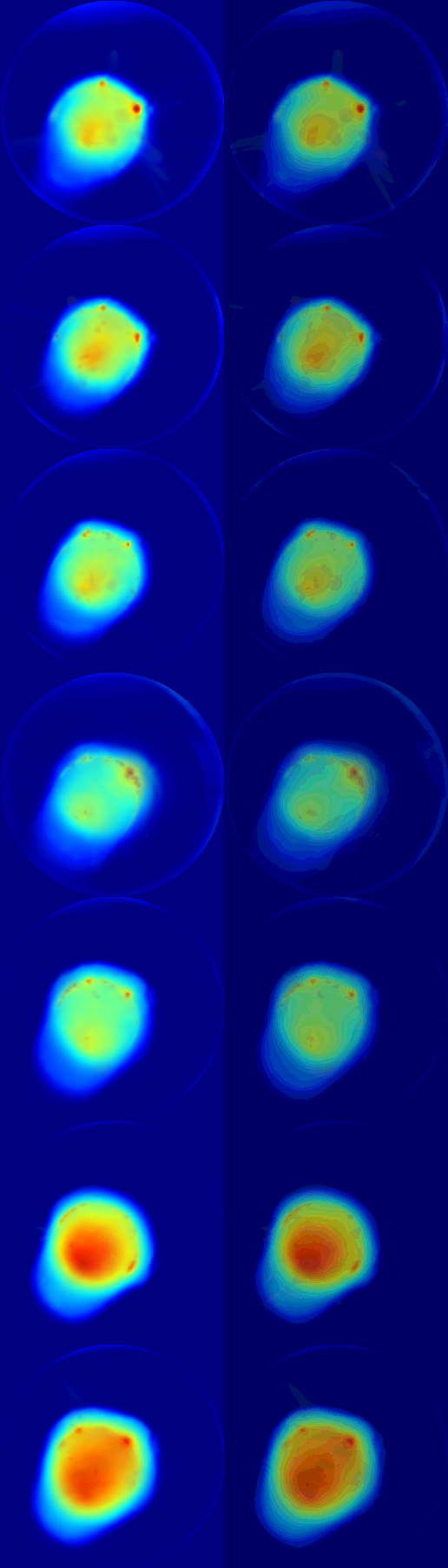
Article
Exafuse uses thermal and coaxial melt-pool monitoring to make LMD process behavior measurable during development, while keeping inspection and metallography in the validation loop.
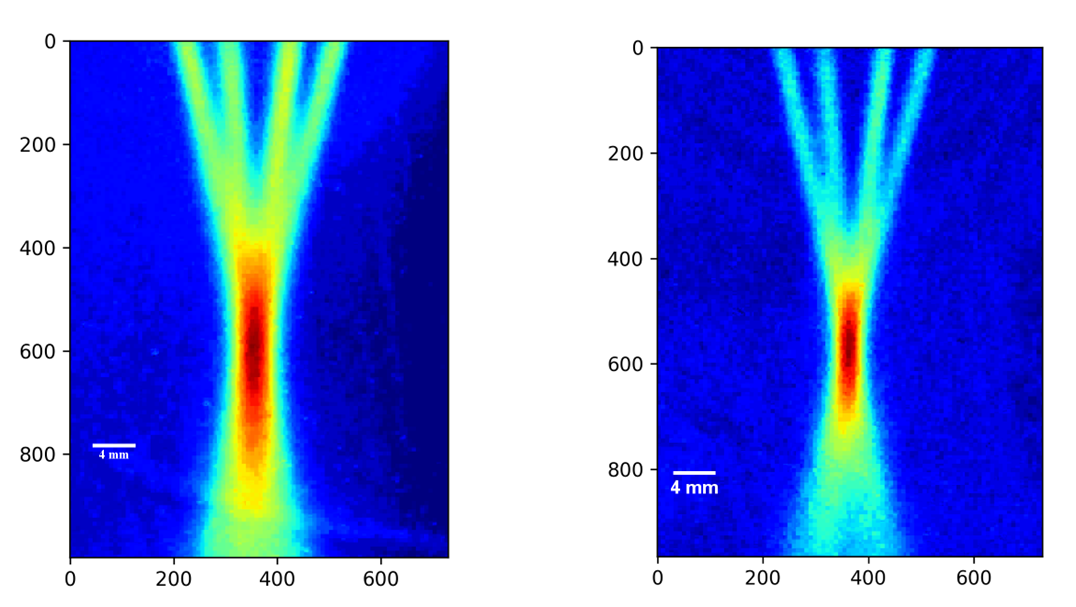
Article
Powder-stream diagnostics help Exafuse see whether an LMD nozzle is delivering a focused, symmetric and repeatable powder cone before a full deposition trial is run.
Article
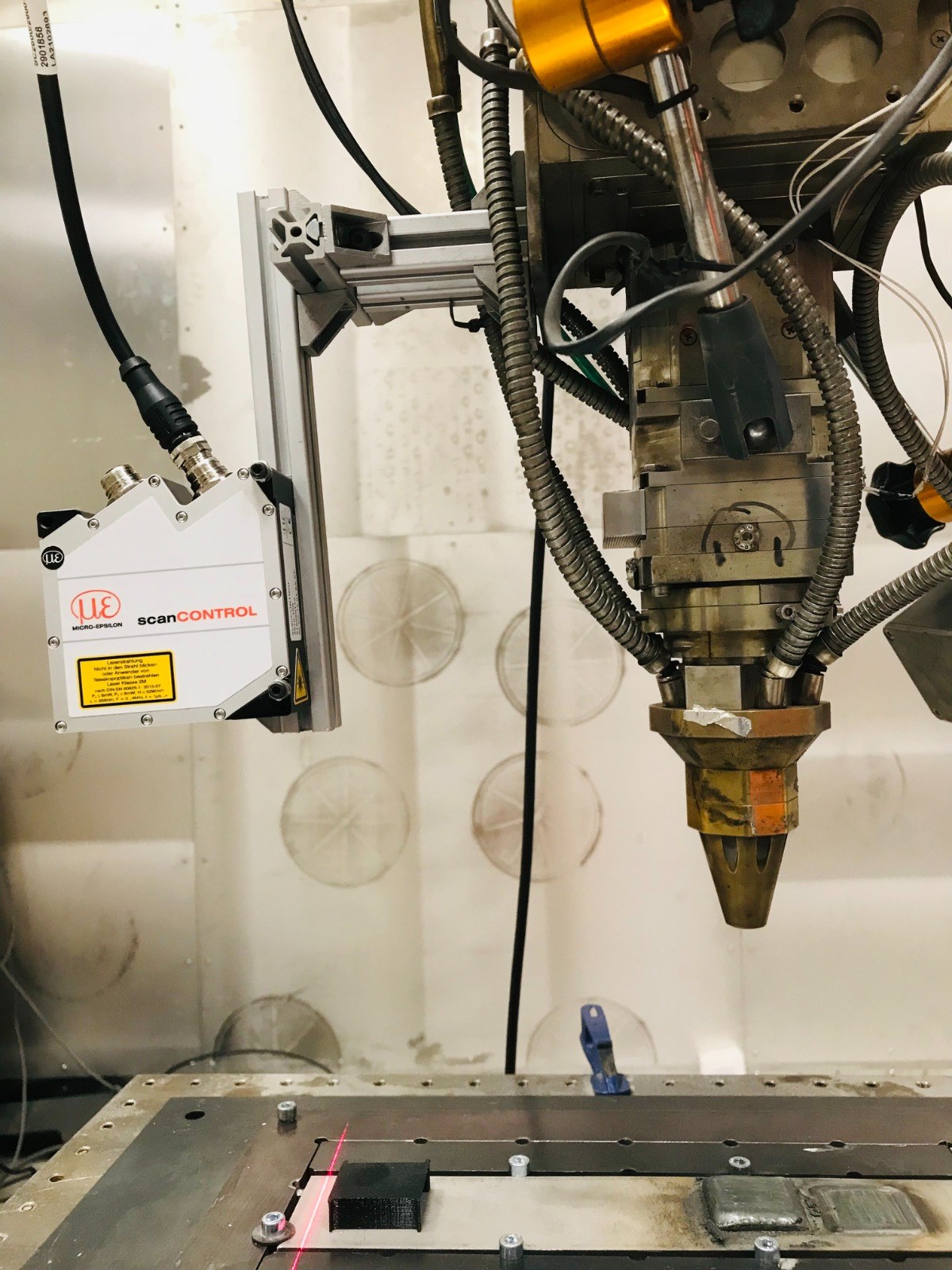
Exafuse uses scanner-supported geometry capture to connect measured surfaces with LMD cladding and contour-following robot path preparation.
Article
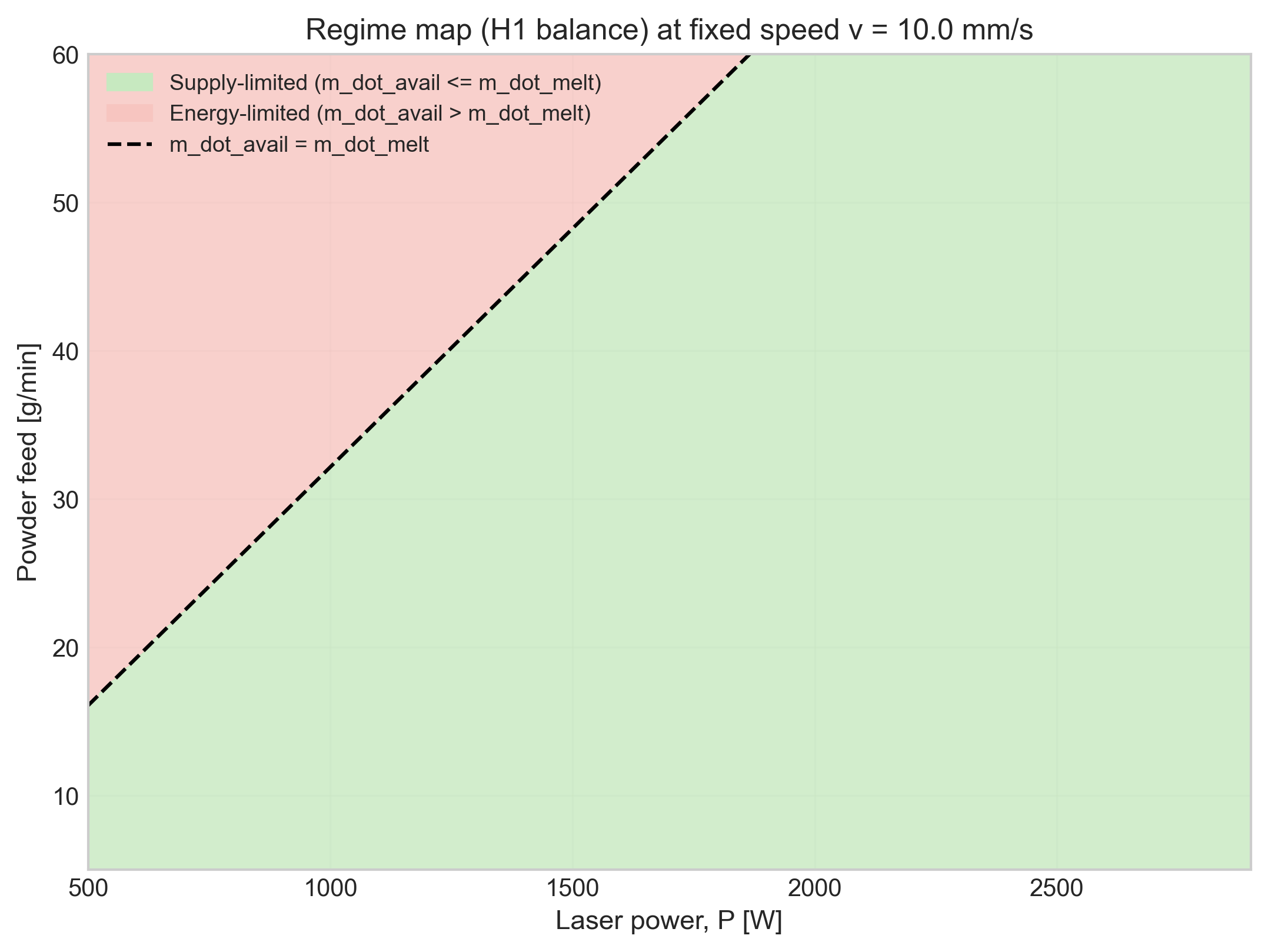
Reduced-order process models help Exafuse screen candidate LMD conditions and plan more useful experiments without replacing physical validation.
Article
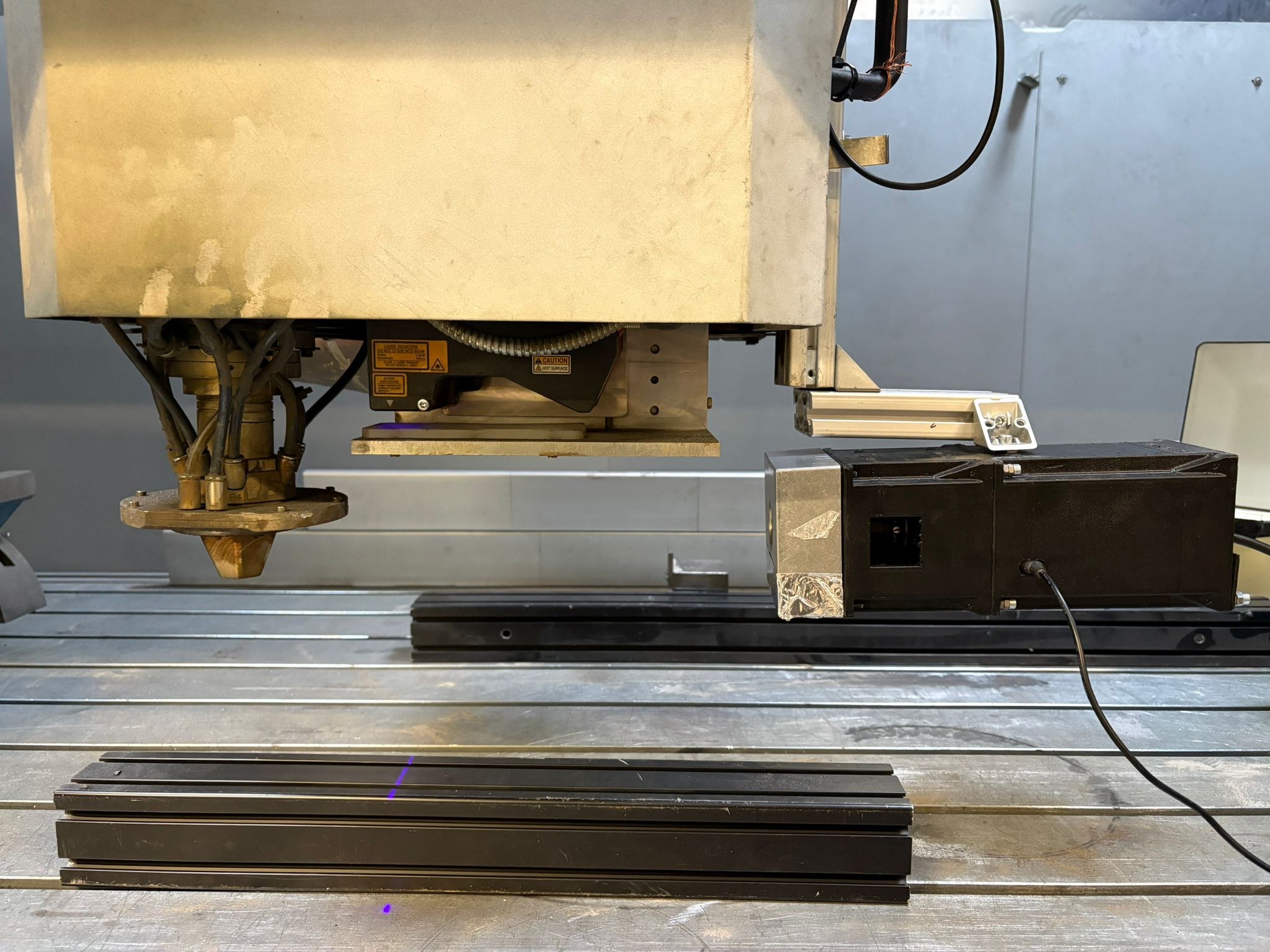
Standoff and height sensing help Exafuse treat process-head distance as a measurable LMD signal instead of a hidden setup risk.
Recommended next steps
Continue with a relevant service, case study, technical article, FAQ or feasibility request.
Use public research pages to understand the technical direction, then define what still needs component-specific trials and validation.
2 more related items are available through the linked hub pages.
Provide the component objective, material, available reference data and the decision that the study should support.
One more related item is available through the linked hub pages.