Exafuse services

Assess geometry, material, surface function, finishing and inspection before requesting a quote.

Service / Repair and modification

Repair high-value metal parts before replacement becomes the only option.

Use this route when maintenance, plant or procurement teams need to compare repair, replacement, downtime, lead time, inspection risk and LMD build-up on an existing component.

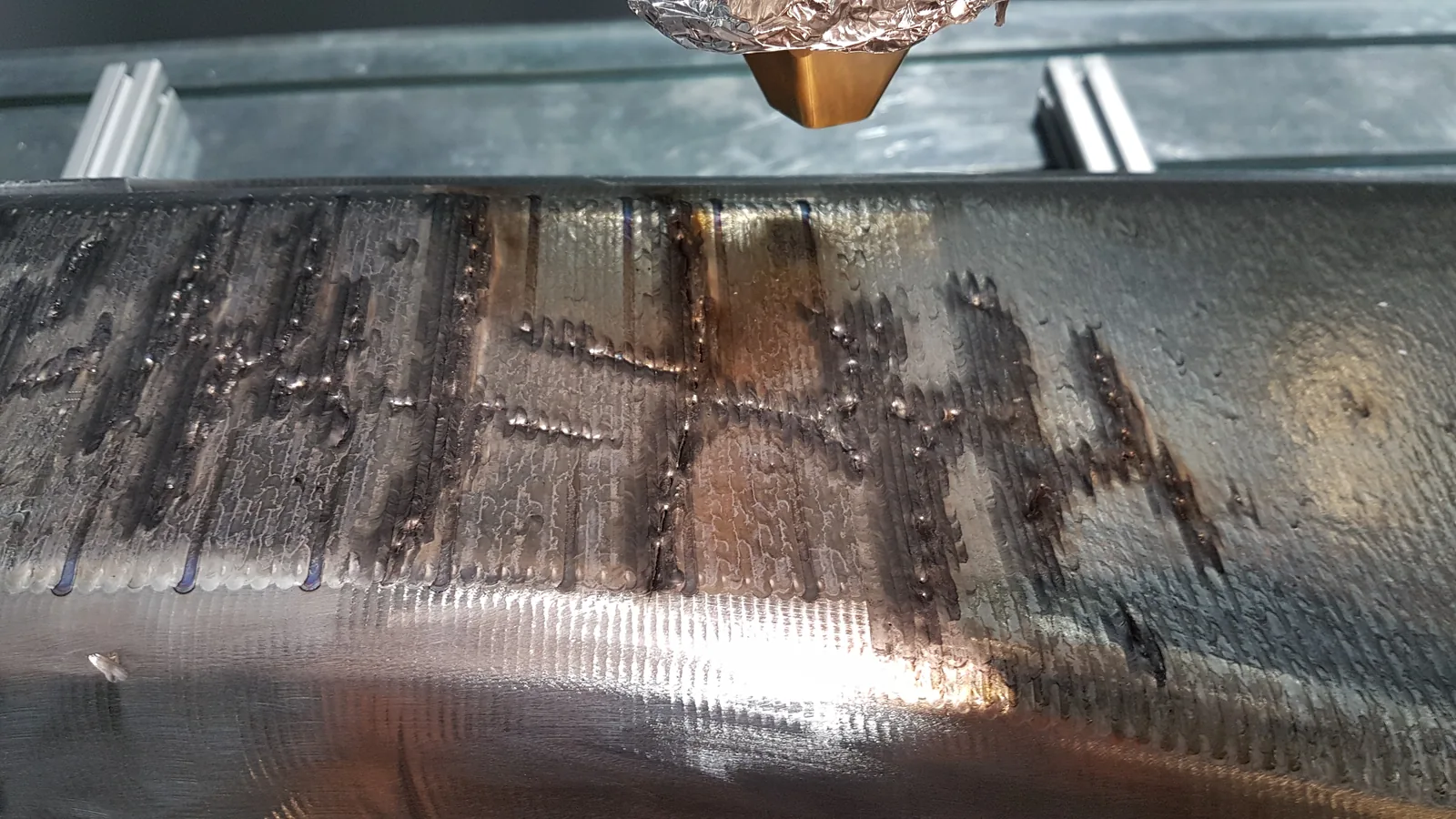
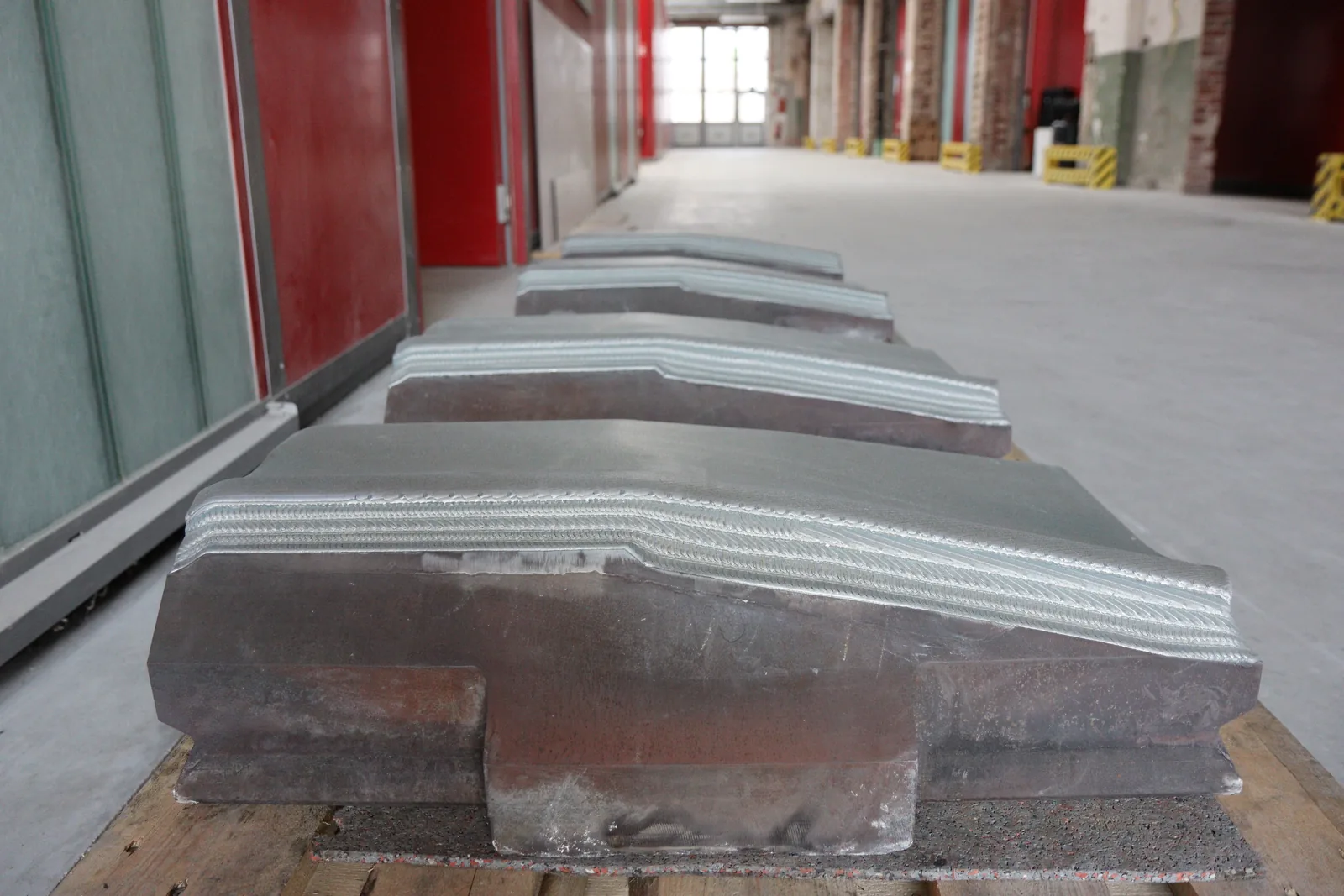
Side view of forging hammers showing incremental LMD layers on the working surface

Repair fit

Targeted LMD build-up restores local geometry where the base part is still worth saving.

Repair and modification work starts with the damaged zone, base material, duty cycle and acceptance criteria. LMD can restore worn surfaces, replace missing geometry, correct machining errors or add functional zones when the repaired area can be inspected and finished to the required condition.

Use whenDamage is localized, replacement lead time is high, downtime matters and acceptance criteria can be defined.
Strong examplesGear teeth, forging hammers, tooling zones, shafts, undersized surfaces, damaged edges or features that can be rebuilt and machined.
Not ideal whenBase material condition is unknown, damage is systemic, cracking is uncontrolled or the required qualification cannot be met.
Commercial logicRepair should be compared against replacement cost, lead time, downtime, machining, inspection and repeat-failure risk.

Repair route

Repair is an engineering and economics decision.

The route should answer whether the part is technically repairable, commercially worth repairing and inspectable after deposition and finishing.

1Damage reviewPhotos, drawings, dimensions, base material and operating conditions.
2Repair fitCheck localized damage, crack risk, substrate condition and route constraints.
3Build-up planDefine deposition zone, material family, stock allowance and heat-management logic.
4Finish routePlan machining, grinding or surface preparation needed for the functional surface.
5AcceptanceDefine inspection, dimensional checks and documentation before the job starts.

Forging-hammer project

The case study connects LMD repair, material selection, finishing and inspection.

The project covers local damage assessment, targeted LMD build-up, layer planning and surface finishing. Suitability and service life must be assessed separately for each tool.

Side view of forging hammers showing incremental LMD layers on the working surface

Repair and reinforcement

Targeted material addition for high-impact tool surfaces where replacement, downtime and inspection effort need to be compared.

Open the case study when you are evaluating forging tools, dies or other locally worn tooling surfaces.
Technical guides

Read the repair articles connected to this service.

These articles cover the business case, toolpath logic, lead-time pressure and design-for-repair questions behind LMD repair work.

Industrial repair component visual for repair versus replacement decisions

Article

Repair vs Replace for High-Value Metal Parts: A Decision Framework

Repair is worth evaluating when the part is expensive, has long replacement lead time, has localized damage, and can be inspected after material buildup.

Repair vs replaceRFQ and buying
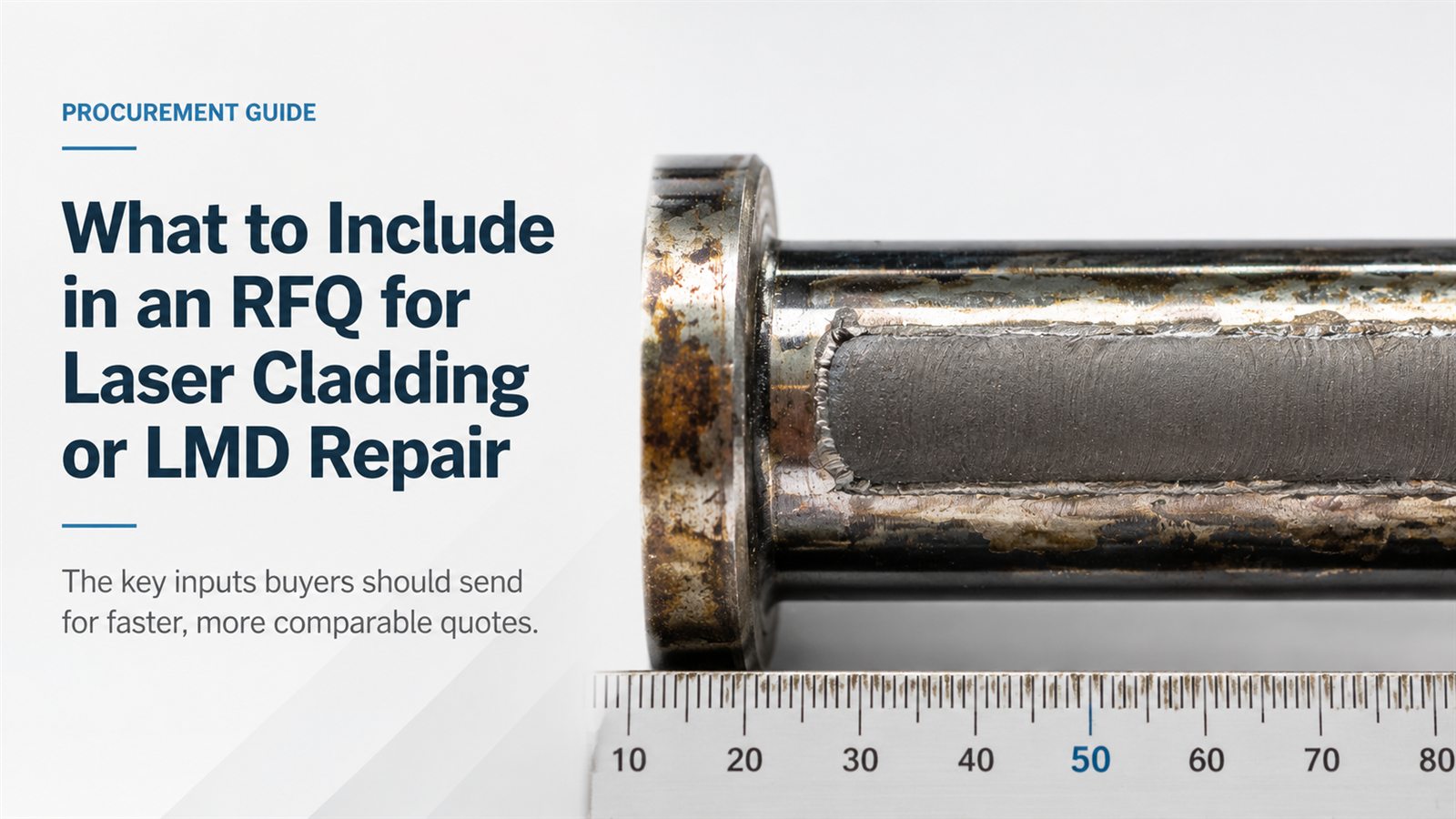
Visual checklist for RFQ inputs and repair cost estimation

Article

Repair ROI Model: How to Quantify Downtime, Machining, and Validation Costs

Repair ROI is not only the price of deposition versus a new part. It includes avoided downtime, replacement lead time, machining and post-processing, inspection cost, logistics, and the...

Repair vs replaceRFQ and buying
Used forging hammer working face with visible cracks and wear before LMD repair review

Article

How to Evaluate Forging Hammer Repair with LMD: Fit, Limits, and RFQ Data

Forging hammer repair with Laser Metal Deposition (LMD) is worth evaluating when damage is local, the base hammer is still usable, oxides and cracks can be handled, and the rebuilt working...

Repair vs replaceWear and corrosionMetal AM route
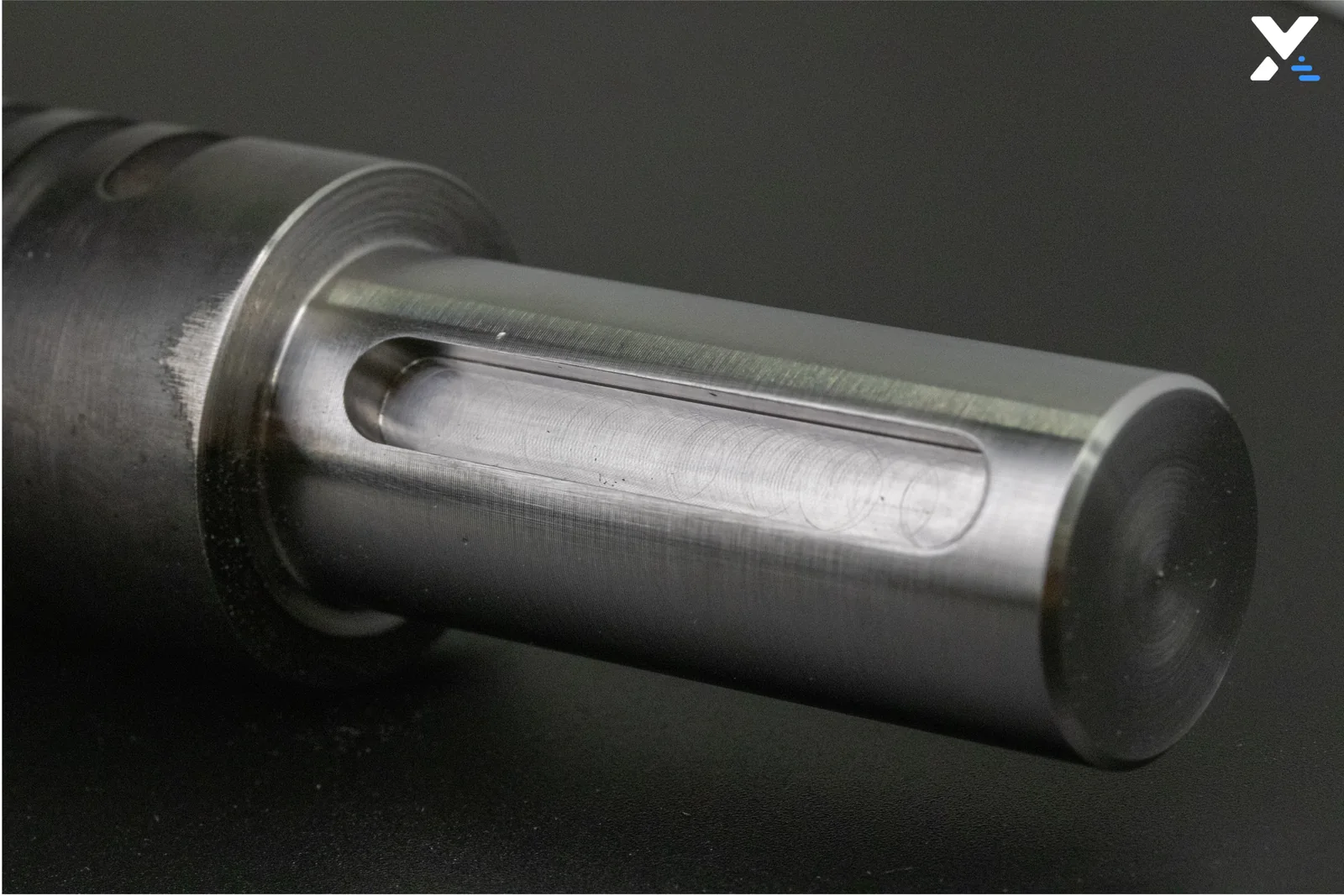
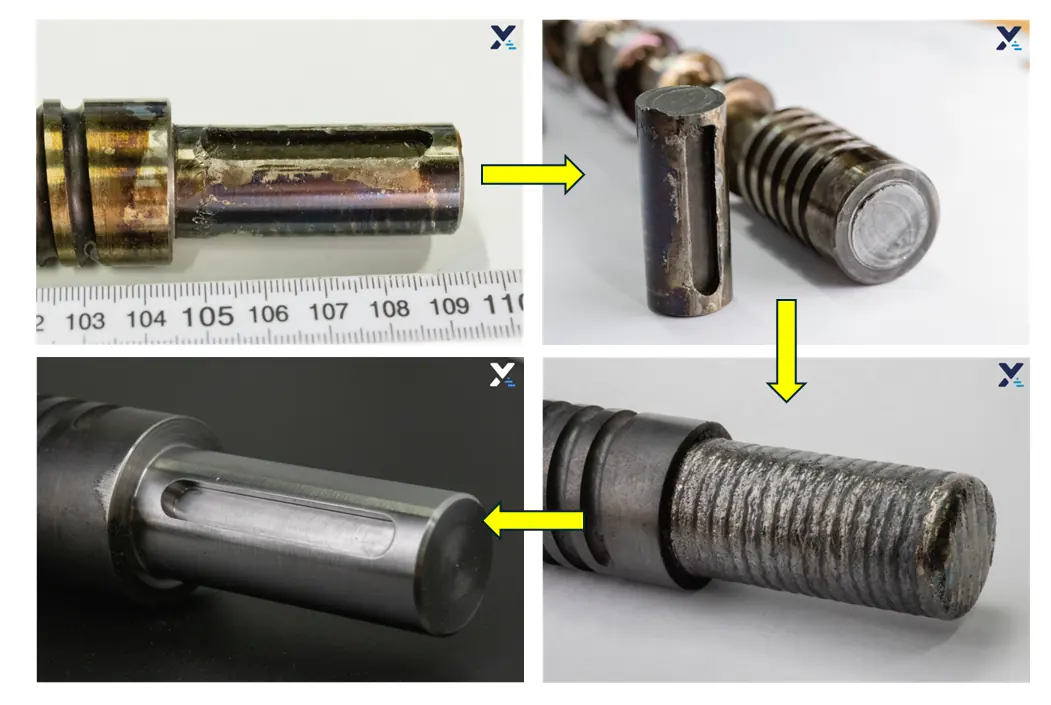
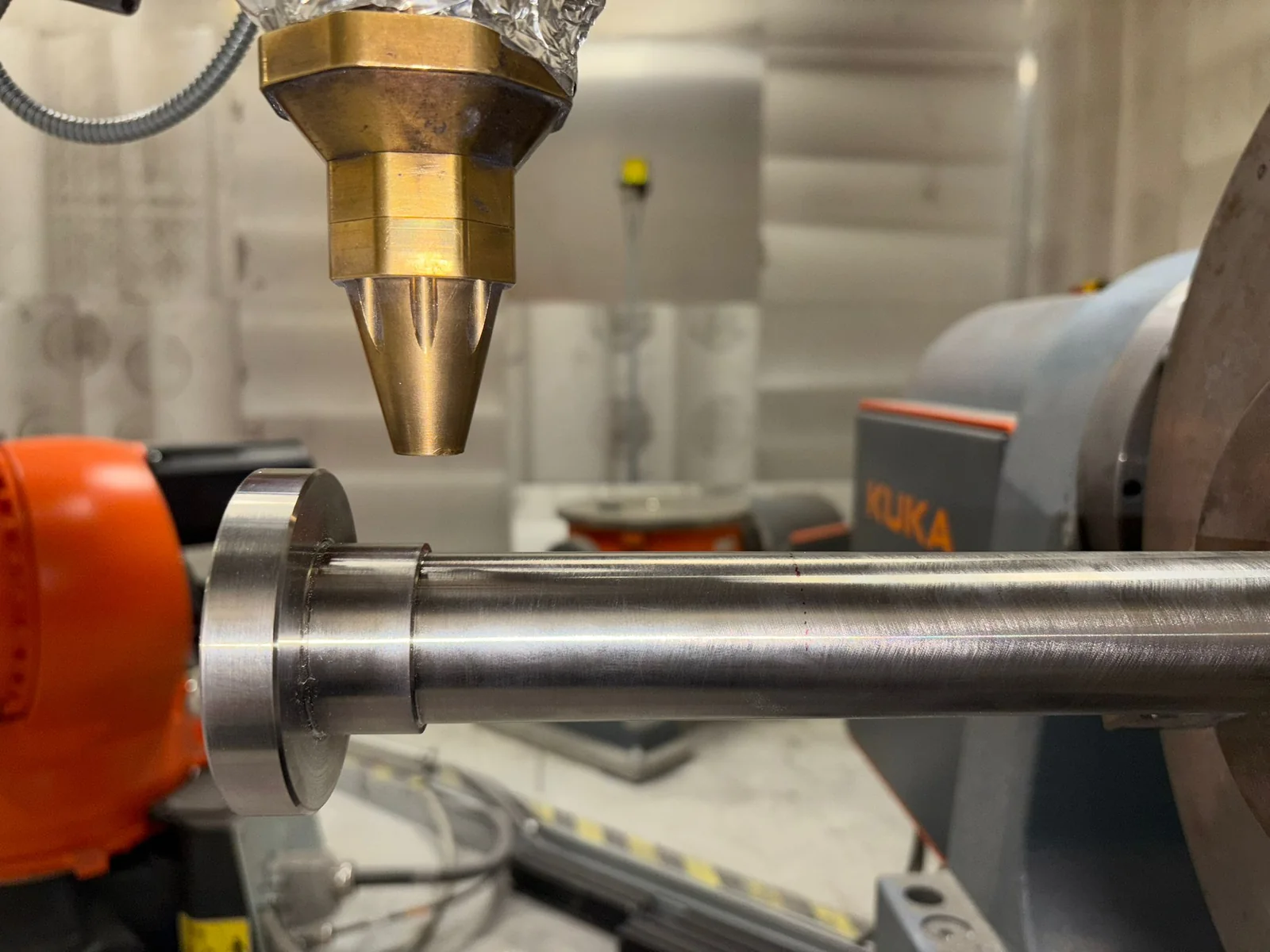
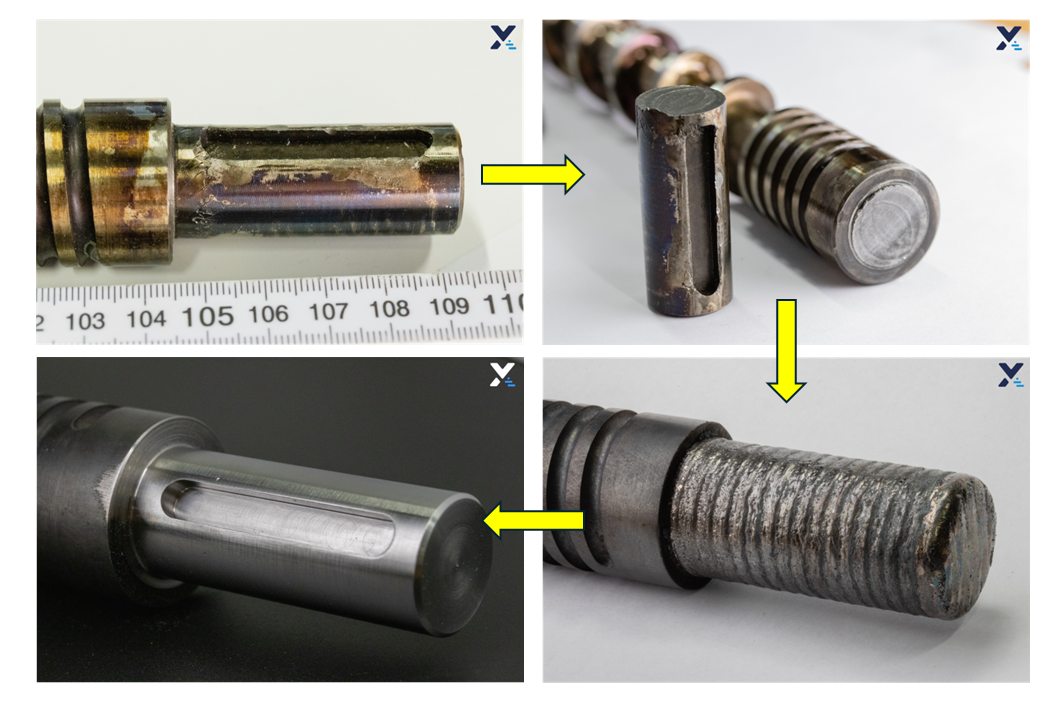
Repaired extrusion screw after final milling

Article

Lead-Time Playbook for Plants: How On-Demand Repair Reduces Critical-Spare Risk

Plants reduce critical-spare risk by identifying high-value, long-lead-time parts before failure, documenting repair acceptance criteria, and pre-qualifying LMD or laser cladding as a...

Repair vs replaceRFQ and buying
Industrial metal component prepared for repair or rebuild

Article

Design-for-Repair: How OEMs Can Add Repair Pads and Wear Allowances Upfront

Design-for-repair means planning sacrificial wear zones, repair pads, access surfaces, machining allowance, material compatibility, and inspection access before the part ever enters service.

DfAM and OEMRepair vs replace
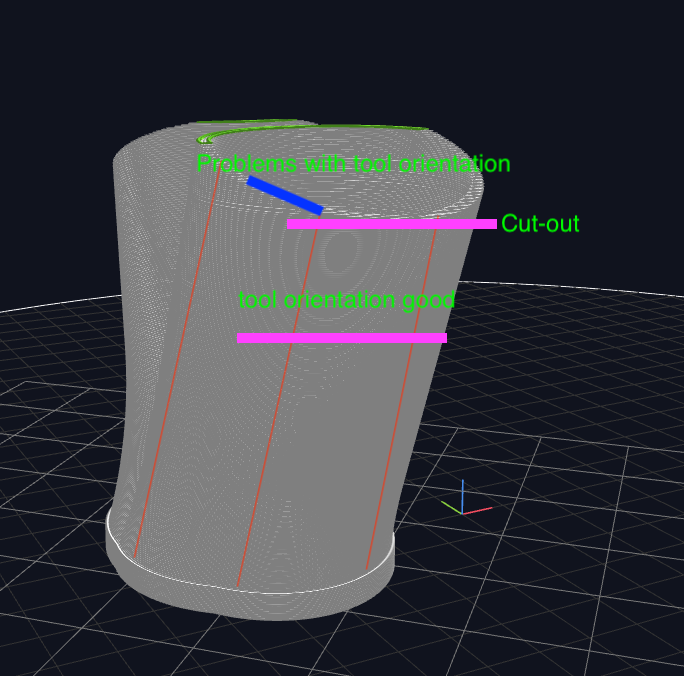
Tool-orientation planning image for LMD bridge-node manufacturability review

Article

LMD Toolpath Strategy for Repairs: Overlap, Heat Management, and Geometry Challenges

Repair toolpaths in LMD have to solve a real damaged geometry, not an ideal coupon. That means overlap, heat accumulation, access, machining allowance, and the transition back into the...

Repair vs replaceQualification
SLM build plate image for digital spare-part and LPBF discussion

Article

Digital Spare Parts for Plants: A Practical Path from CAD to Qualified On-Demand Supply

A digital spare is useful only when the part data, material, manufacturing route, inspection plan, and acceptance criteria are ready before the plant needs the part.

Repair vs replaceRFQ and buying

Projects and common questions

Repair proof paths and direct answers.

These examples clarify repair proof, economics, intake requirements and limits before a component review.

Repair assessment

Send damage photos, dimensions and base material.

Exafuse can review whether LMD repair or modification is realistic. Final feasibility depends on part condition, inspection needs and finishing route.

Request repair assessment