
Expert profile

Meet the person behind Exafuse's LMD monitoring work and the related technical articles.

People

Manish Sharma — AI for Laser Metal Deposition and Metal Additive Manufacturing

Manish Sharma develops industrial AI and decision systems at Exafuse. His work connects LMD/DED process signals, models, engineering context, next actions and physical verification.

At a glance

Industrial AI that connects process signals to engineering decisions.

At Exafuse, the public application focus is LMD/DED monitoring, machine vision, robotic workflows and decision support that remains connected to inspection evidence.

NameManish Sharma
RoleIndustrial AI and R&D lead for LMD/DED decision systems
LocationBochum, Germany
OrganizationExafuse / ThinkIng - Additive Technology GmbH
Core statementManish Sharma develops industrial AI and decision systems at Exafuse. His work connects LMD/DED process signals, models, engineering context, next actions and physical verification.

Bio

From process data to decisions that can be checked against engineering evidence.

The goal is not a model for its own sake. It is a defensible connection between signals, engineering context, the next action and physical verification.

Manish Sharma, AI and R&D lead for process monitoring and LMD/DED systems at Exafuse
Contact

Manish Sharma

Industrial AI and R&D lead for LMD/DED decision systems

Bochum, Germany
Person

Manish Sharma

Industrial AI and R&D lead for LMD/DED decision systems

Profile

Manish Sharma works on industrial AI and decision systems at Exafuse in Bochum. LMD/DED is his strongest public application domain: process monitoring, machine vision, robotic workflows, technical data systems and decisions that remain connected to inspection evidence.

The motivation is practical. A prediction alone rarely settles an industrial question. Engineers still need to know which signal matters, what the model assumes, which action follows, what uncertainty remains and how the result will be checked against the physical component.

His working method connects sensing, modelling, decisions and verification. Process images and sensor data are interpreted with engineering constraints; recommendations keep human-review boundaries visible; inspection, metallography and measured outcomes close the feedback loop.
Working method

Sense, model, decide and verify.

The four steps keep data, engineering constraints, recommended action and verification evidence in one workflow.

01

Sense

Bring together process signals, images, machine data, engineering context and missing-information cues.

02

Model

Combine machine learning, engineering rules, constraints and uncertainty in a traceable analysis.

03

Decide

Frame recommendations, trade-offs, risks and next actions without hiding the boundary of human review.

04

Verify

Compare outputs with inspection, metallography, measured outcomes and feedback from the physical process.

AI and monitoring support process understanding and prioritisation. Component acceptance, certification and engineering responsibility remain tied to agreed inspection and expert review.

Focus areas

Four working areas within industrial LMD/DED systems.

The focus spans sensing and machine vision, decision logic and traceability back to the physical component.

Industrial sensing and monitoringConnect melt-pool images, height signals, machine context and operator observations so deviations can be reviewed in the correct process context.
Machine vision and modellingUse image processing, machine learning and engineering rules to extract useful features while keeping assumptions, uncertainty and data limits visible.
Decision systems and robotic workflowsConnect process data, robotic paths and engineering constraints to recommendations, trade-offs and practical next actions.
Verification and traceabilityTie monitoring and AI outputs to inspection, metallography, measured outcomes and a traceable record of what was observed and decided.

Public work

Public Exafuse articles closely tied to monitoring, AI and process data.

These pages are the clearest current public reference for Manish Sharma's work on AI, machine learning, image processing and process-data interpretation in the LMD context.

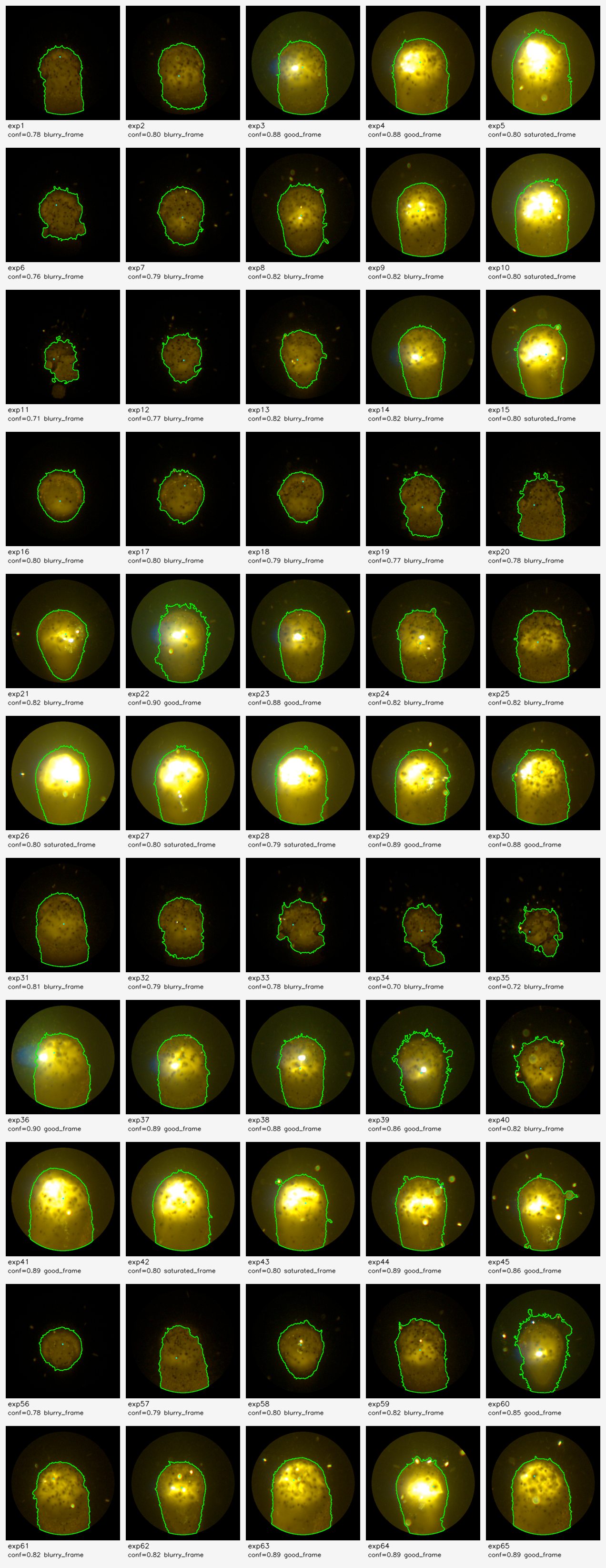
Contact sheet for reviewing LMD monitoring examples and edge cases

Article

Monitoring and Control in DED/LMD: What In-Process Signals Mean for Quality

In-process monitoring in DED and LMD can help track whether the build is behaving consistently, but it does not replace final inspection or qualification.

Qualification
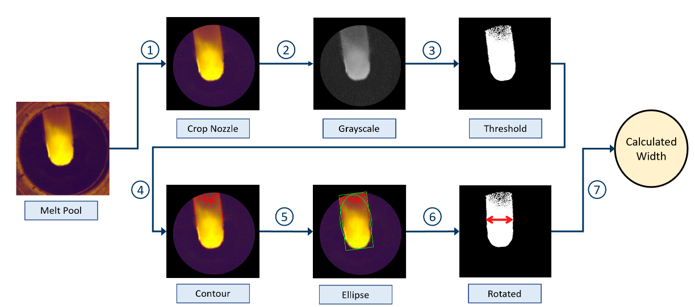
Image-processing path for melt-pool width measurement in LMD

Article

Melt-Pool Monitoring in Laser Metal Deposition: What Process Images Can and Cannot Prove

Melt-pool monitoring in LMD is useful when it helps engineers see process behavior, compare signals with physical evidence and decide what needs closer review. It cannot by itself establish final part quality.

QualificationMetal AM routeDfAM and OEM
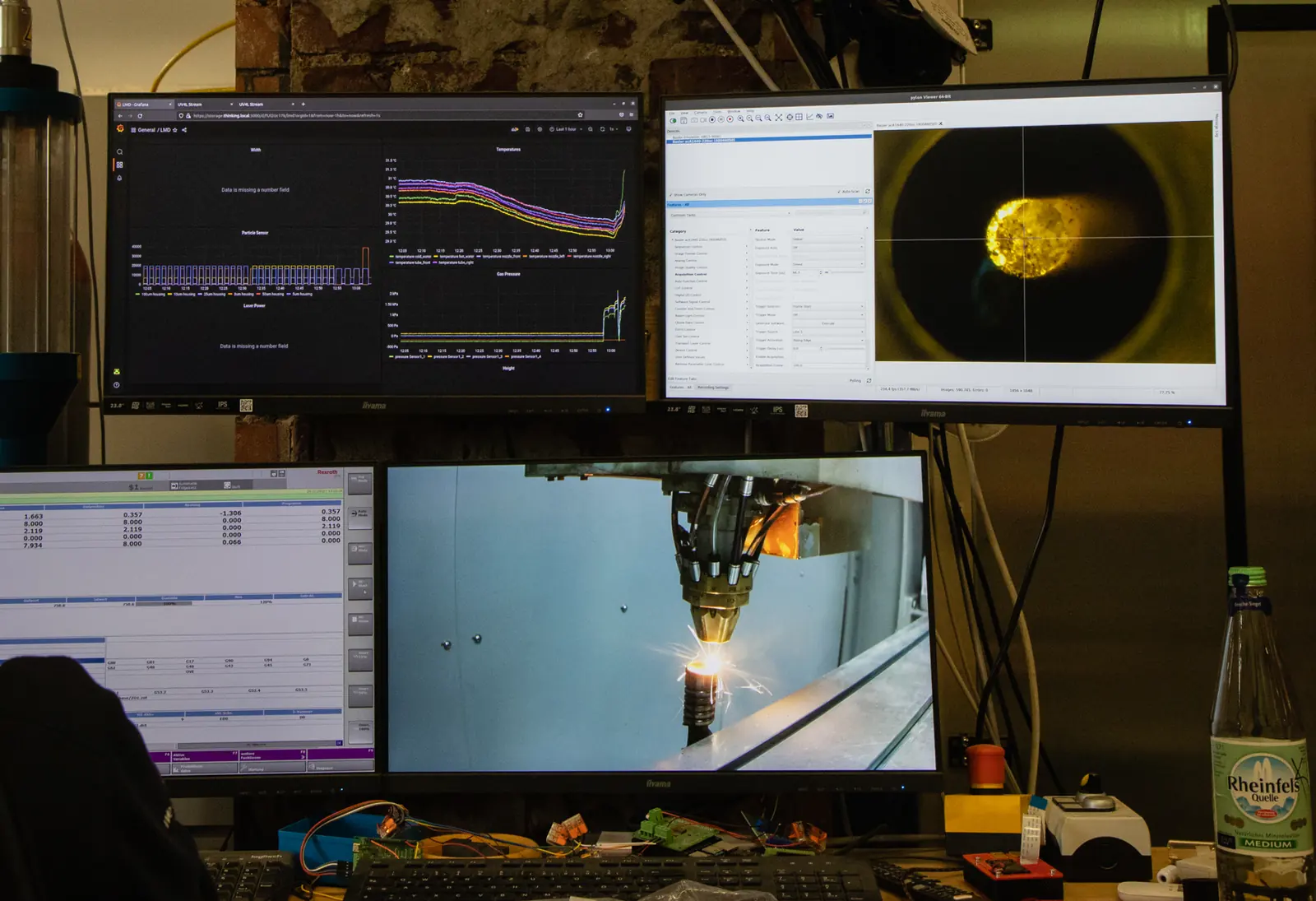
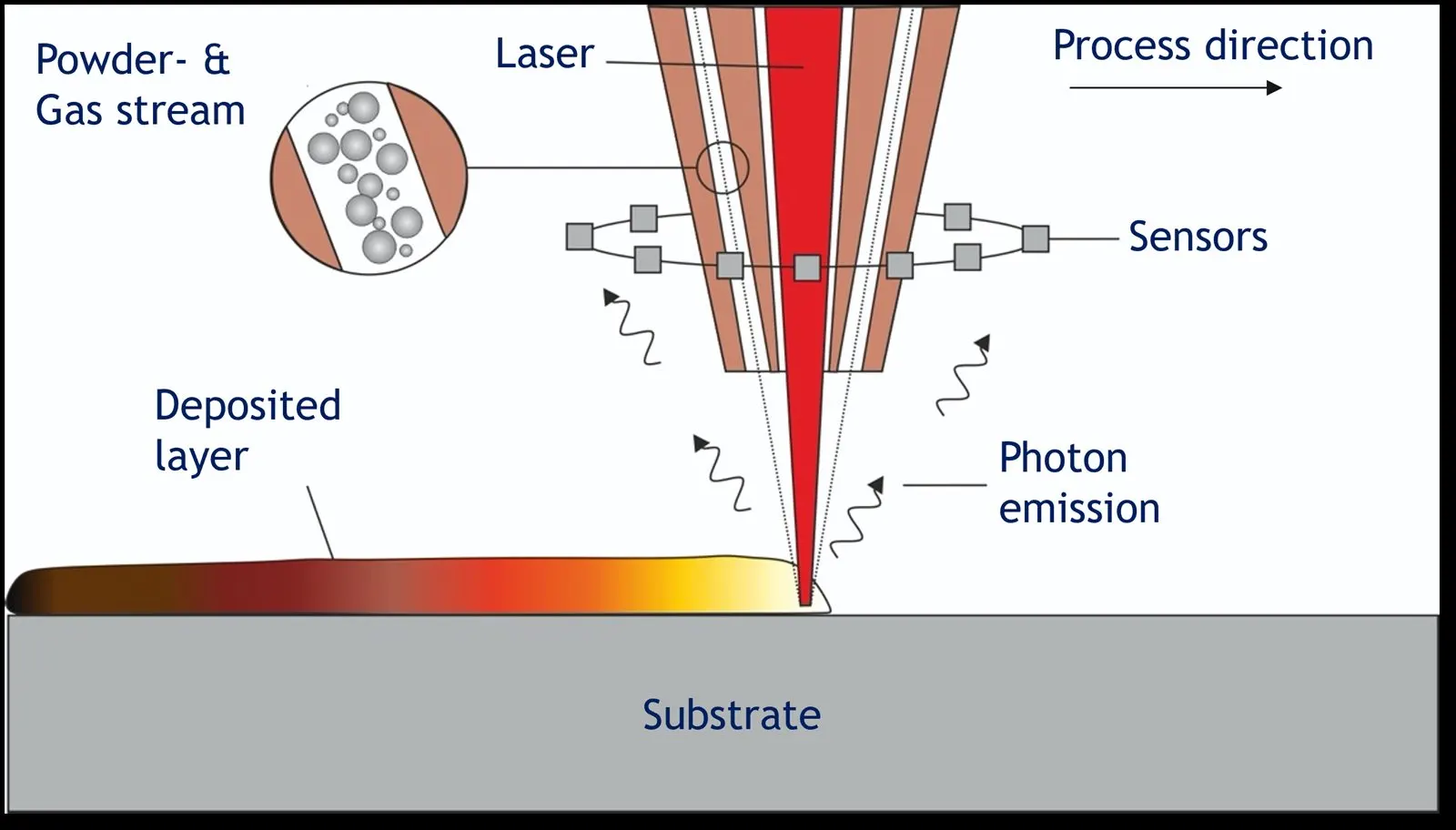
LMD process monitoring and melt-pool signal view

Article

AI in Laser Metal Deposition Process Control: From Decision Support to Closed-Loop Claims

AI in Laser Metal Deposition is strongest as decision support, process-image interpretation and structured technical review. It becomes risky when model outputs are treated as autonomous quality release or closed-loop control...

QualificationMetal AM routeDfAM and OEM
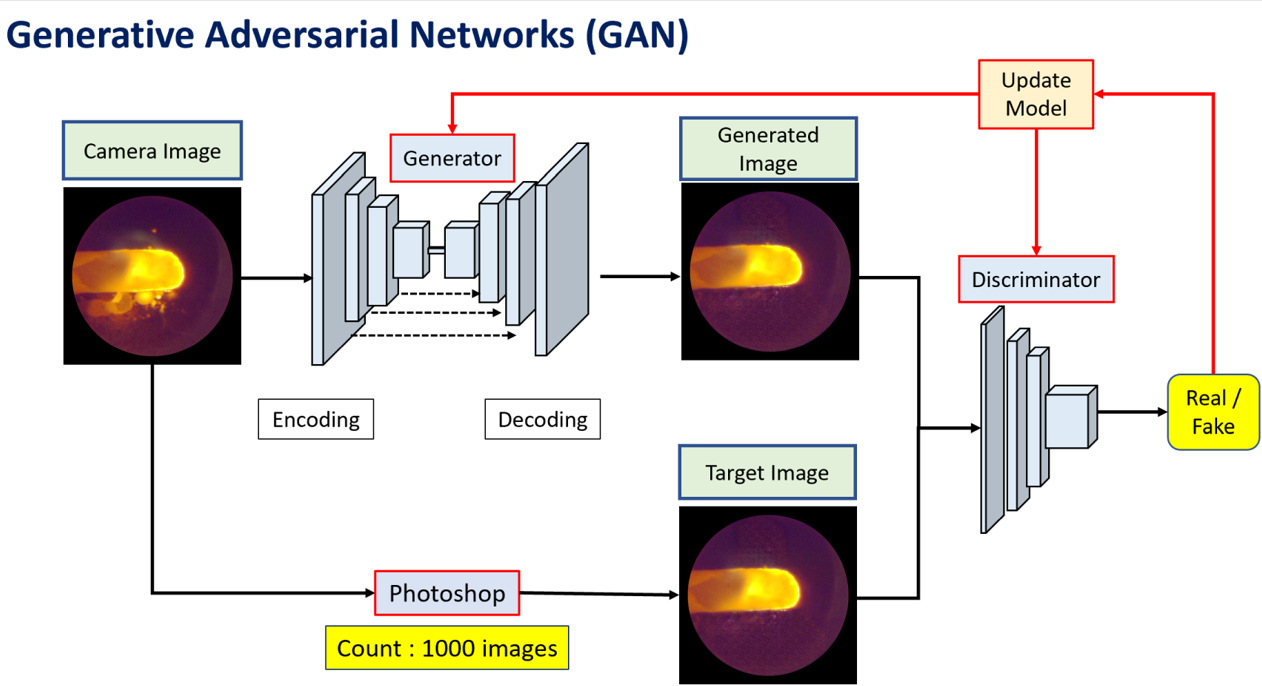
AI-assisted image cleaning workflow for melt-pool monitoring

Article

Image Processing with Neural Networks in LMD: Where Pix2Pix-Style Models Fit

Pix2Pix-style neural networks can support LMD image-processing research by translating process images into more useful visual representations, but generated outputs must be validated against real inspection and process context.

QualificationDfAM and OEMMetal AM route
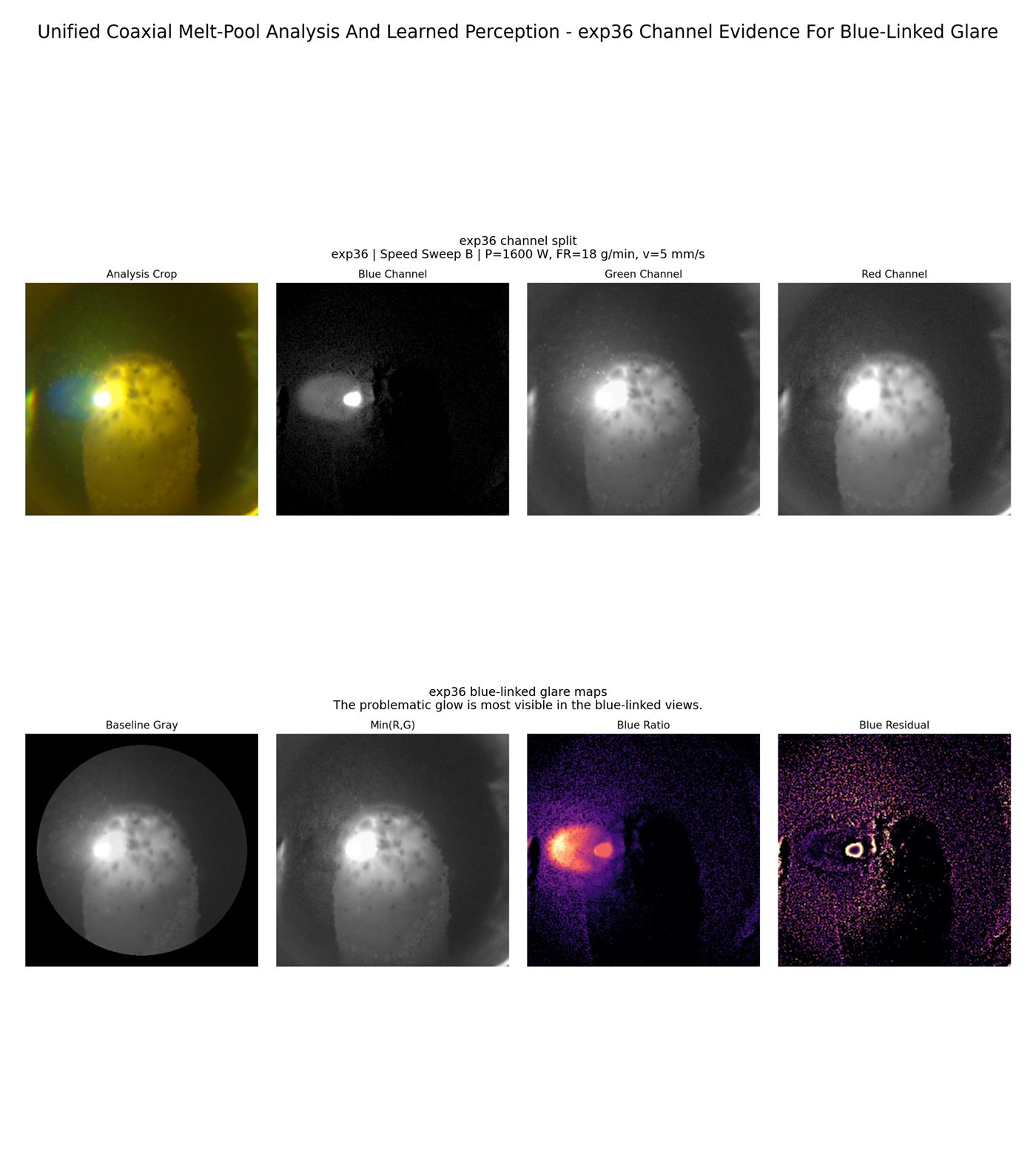
Coaxial melt-pool analysis showing blue-linked glare channel evidence

Article

Computer Vision for Melt-Pool Monitoring in LMD: Dataset Drift, False Positives and Practical Limits

Computer vision can improve melt-pool monitoring in LMD, but only when teams control dataset drift, false positives, false negatives and the gap between image patterns and physical part quality.

QualificationMetal AM routeDfAM and OEM
Image-processing path for melt-pool width measurement in LMD

Article

LMD Monitoring Data Pipeline: From Camera Signal to Decision Support and Validation

A useful LMD monitoring pipeline does more than collect images. It links camera signals, process metadata, engineering context, review logic and physical inspection so the data supports a real decision.

QualificationMetal AM routeRFQ and buying
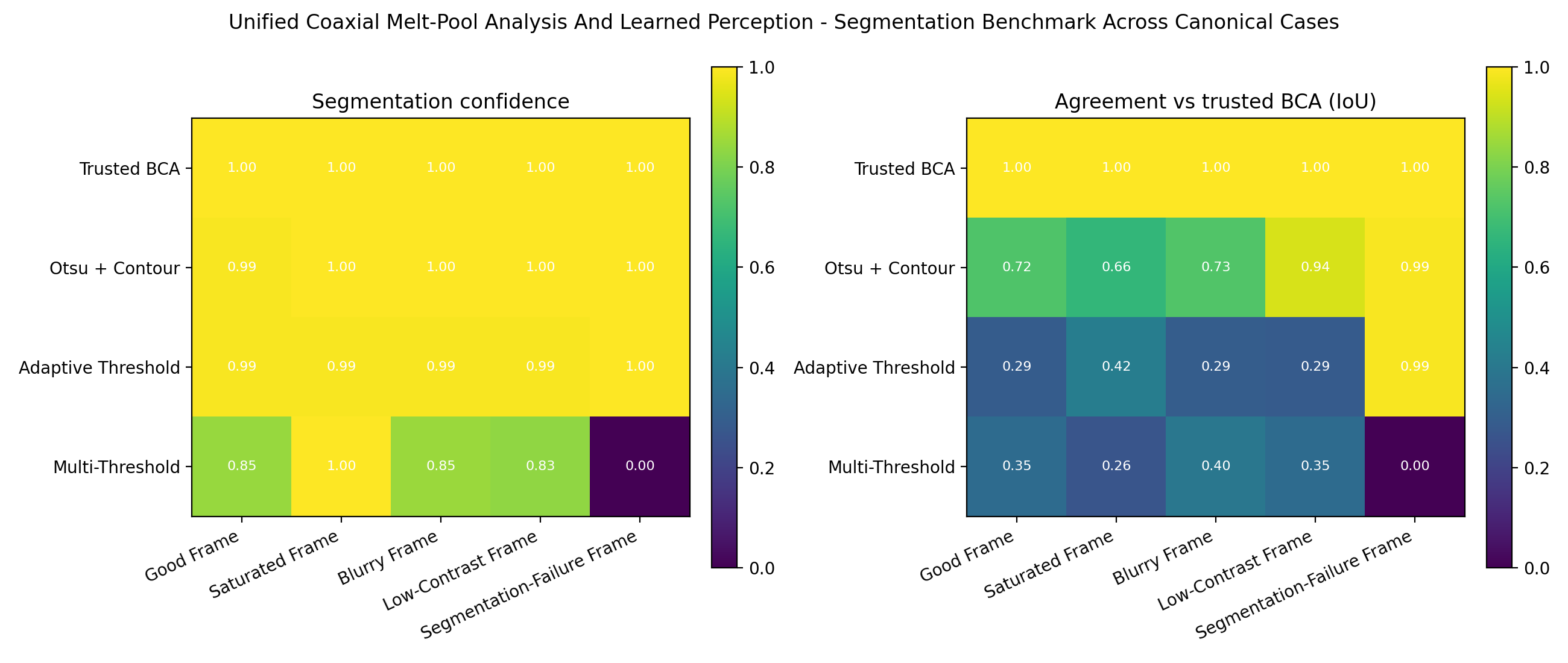
Segmentation benchmark heatmaps for validating AI image-processing outputs

Article

How to Validate AI Outputs Against Physical Inspection in Laser Metal Deposition

AI outputs in Laser Metal Deposition become credible only when they are tested against physical inspection. The validation route has to connect model outputs to dimensional checks, microscopy, metallography and documented...

QualificationMetal AM routeRFQ and buying
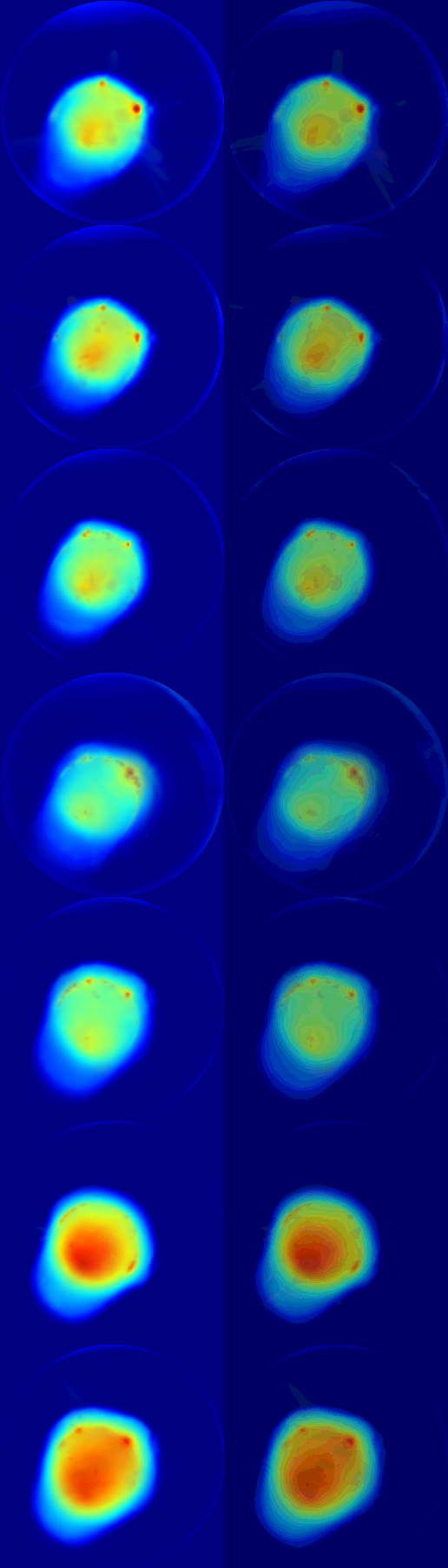
Combined thermal monitoring image across LMD experiments one to seven

Article

Thermal and Coaxial Melt-Pool Monitoring for LMD

Exafuse uses thermal and coaxial melt-pool monitoring to make LMD process behavior measurable during development, while keeping inspection and metallography in the validation loop.

QualificationMetal AM routeDfAM and OEM
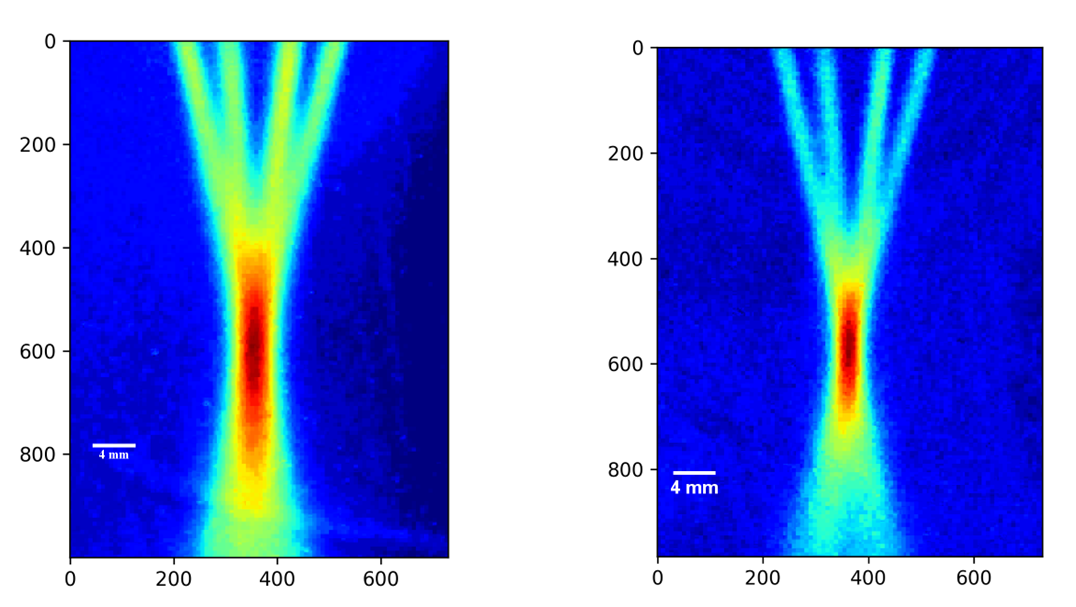
Powder stream image showing cone shape and focus region for LMD nozzle diagnostics

Article

Powder-Stream and Nozzle Diagnostics for Laser Metal Deposition

Powder-stream diagnostics help Exafuse see whether an LMD nozzle is delivering a focused, symmetric and repeatable powder cone before a full deposition trial is run.

Metal AM routeQualificationDfAM and OEM
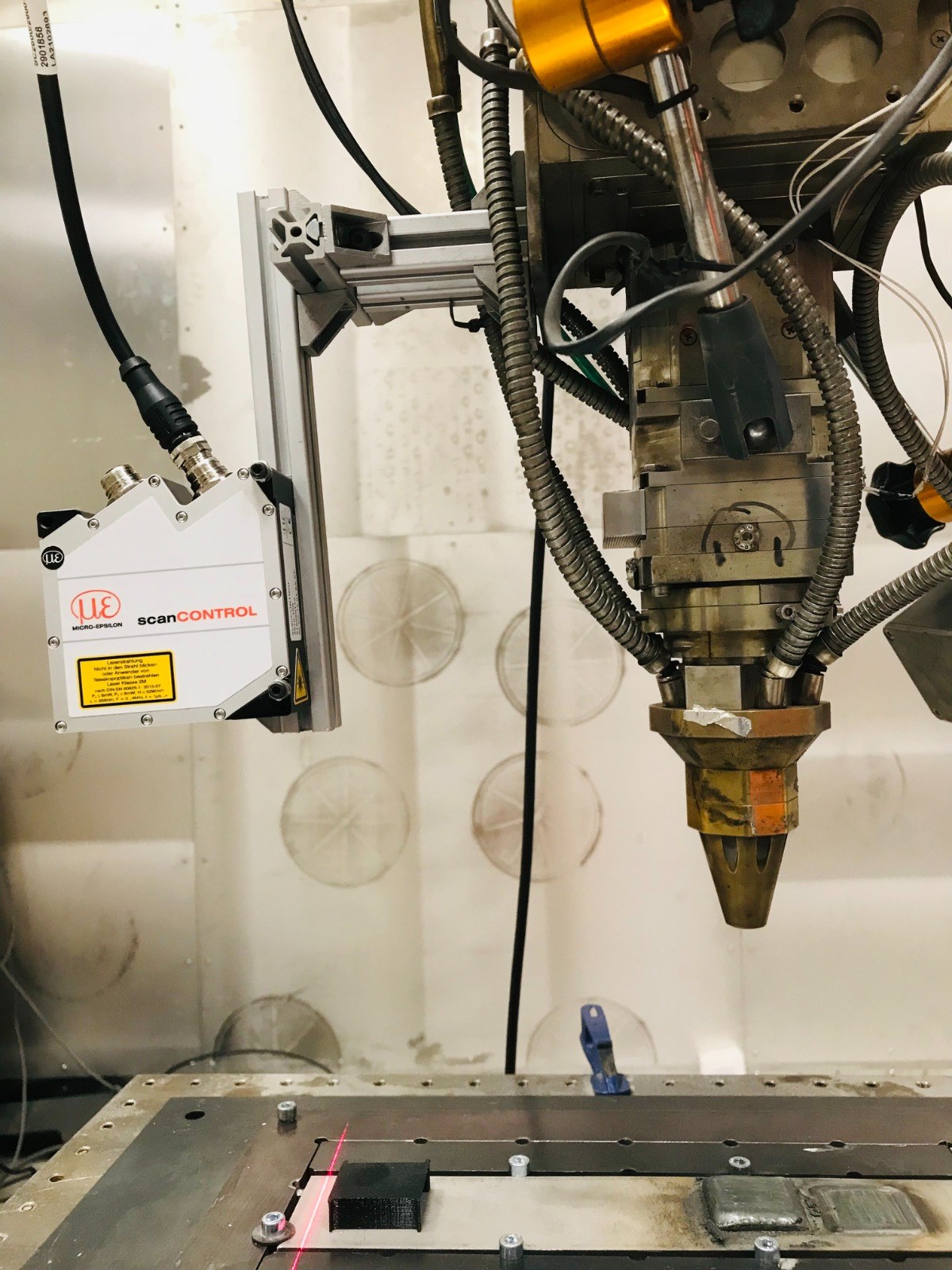
Line scanner mounted near a Laser Metal Deposition process head for profile measurement

Article

Line Scanning and Robot Path Preparation for LMD Cladding

Exafuse uses scanner-supported geometry capture to connect measured surfaces with LMD cladding and contour-following robot path preparation.

Metal AM routeWear and corrosionQualification
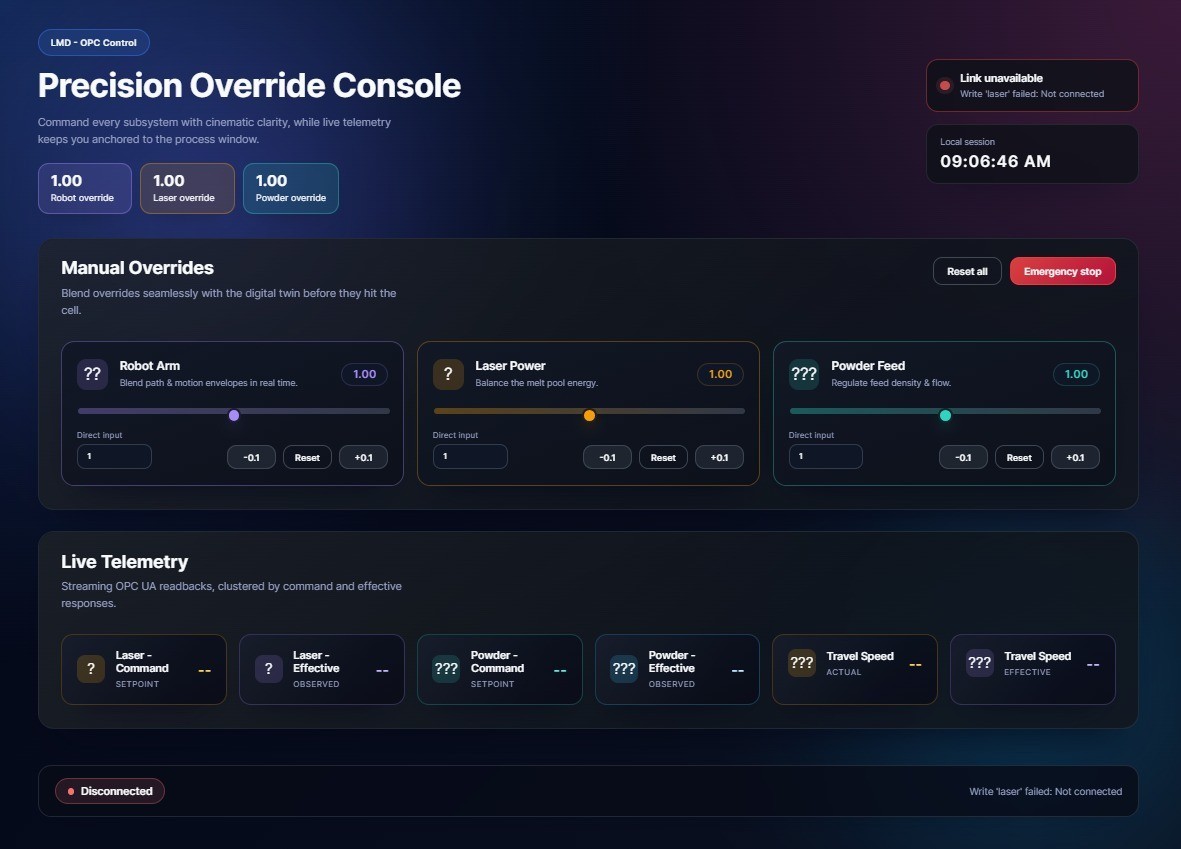
Operator control panel for Laser Metal Deposition monitoring and process supervision

Article

Building a Software Stack for Intelligent LMD Process Control

Exafuse develops a supervised software stack that connects sensor acquisition, analysis, operator control and machine communication for traceable LMD process-development work.

QualificationMetal AM routeDfAM and OEM
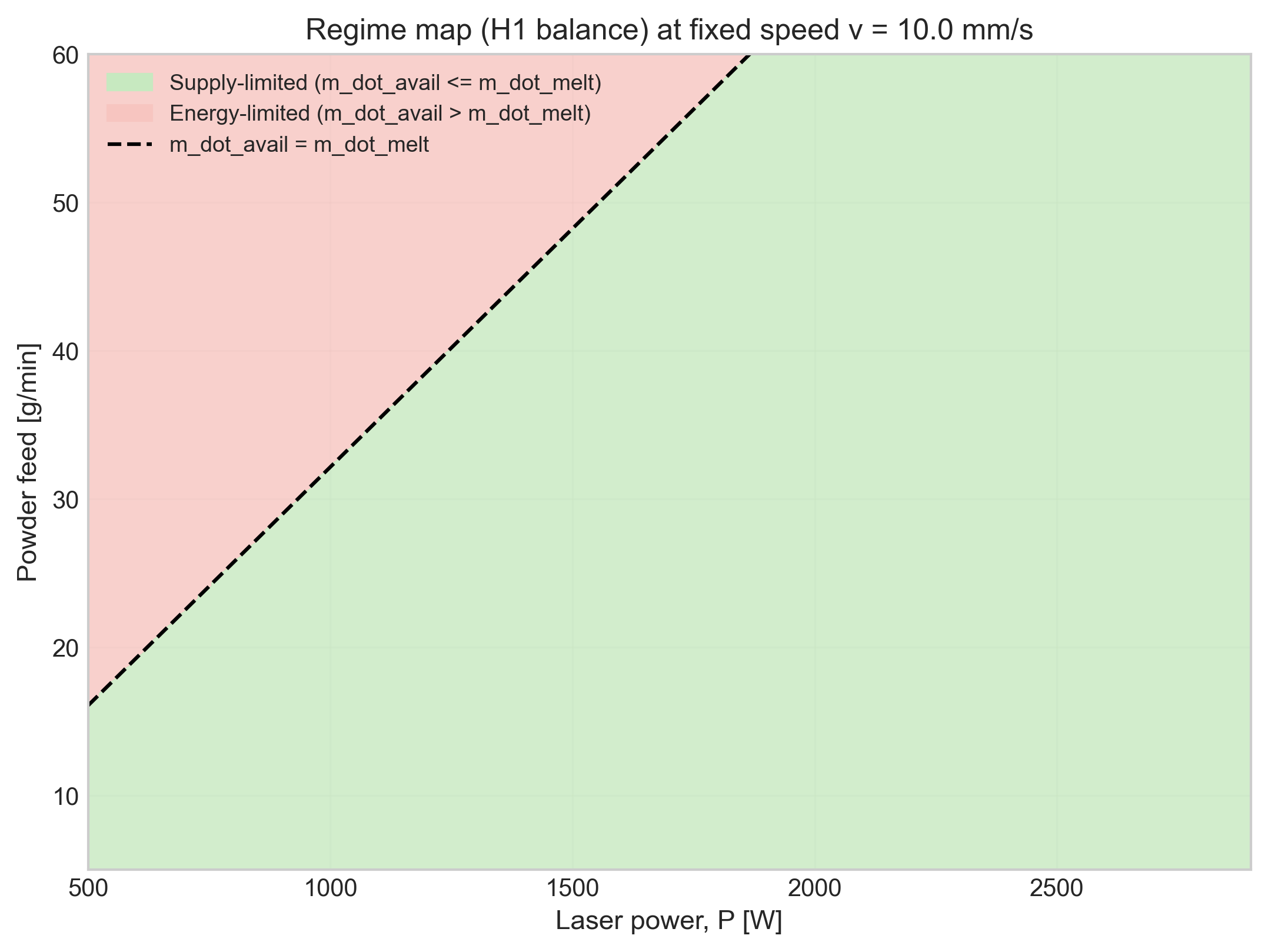
Reduced-order process regime map for Laser Metal Deposition decision support

Article

Reduced-Order Modeling for LMD Process Decisions

Reduced-order process models help Exafuse screen candidate LMD conditions and plan more useful experiments without replacing physical validation.

Metal AM routeQualificationDfAM and OEM
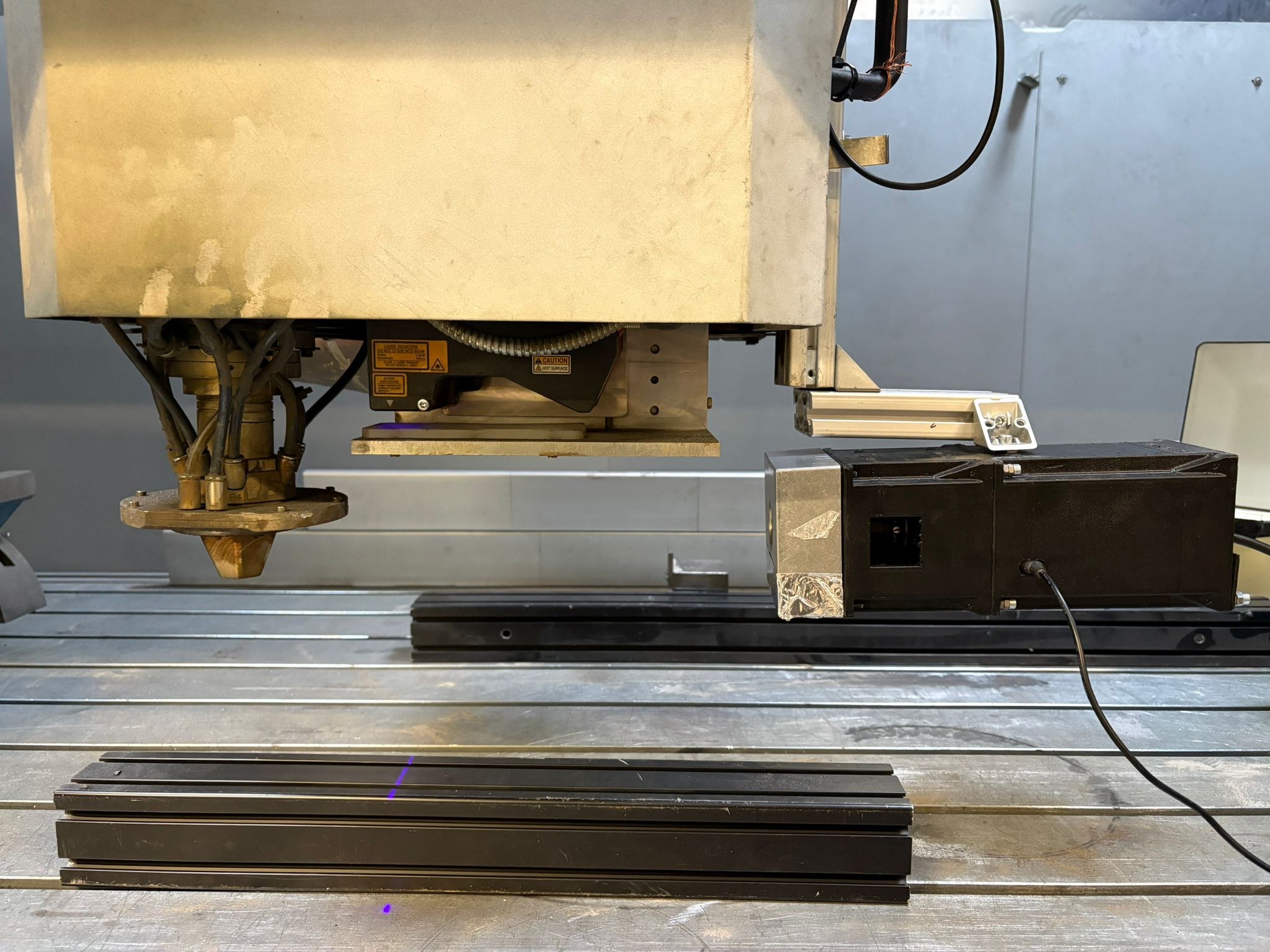
Triangulation sensor setup near the Laser Metal Deposition process head

Article

Standoff and Height Sensing for LMD Process Stability

Standoff and height sensing help Exafuse treat process-head distance as a measurable LMD signal instead of a hidden setup risk.

QualificationMetal AM routeDfAM and OEM

Reviewed articles

Exafuse articles technically reviewed by Manish Sharma.

These pages sit close to industrial AI, process monitoring or LMD/DED systems questions and therefore carry an explicit Manish Sharma review relationship.

Laser Metal Deposition process basics visual for industrial buyer education

Article

What Is Laser Metal Deposition (LMD) and When Should Industrial Buyers Use It?

Laser Metal Deposition is most relevant for large parts, local material addition, repair and laser cladding. SLM/LPBF is often more suitable when compact geometry, fine detail or internal channels determine the part's value.

Metal AM route
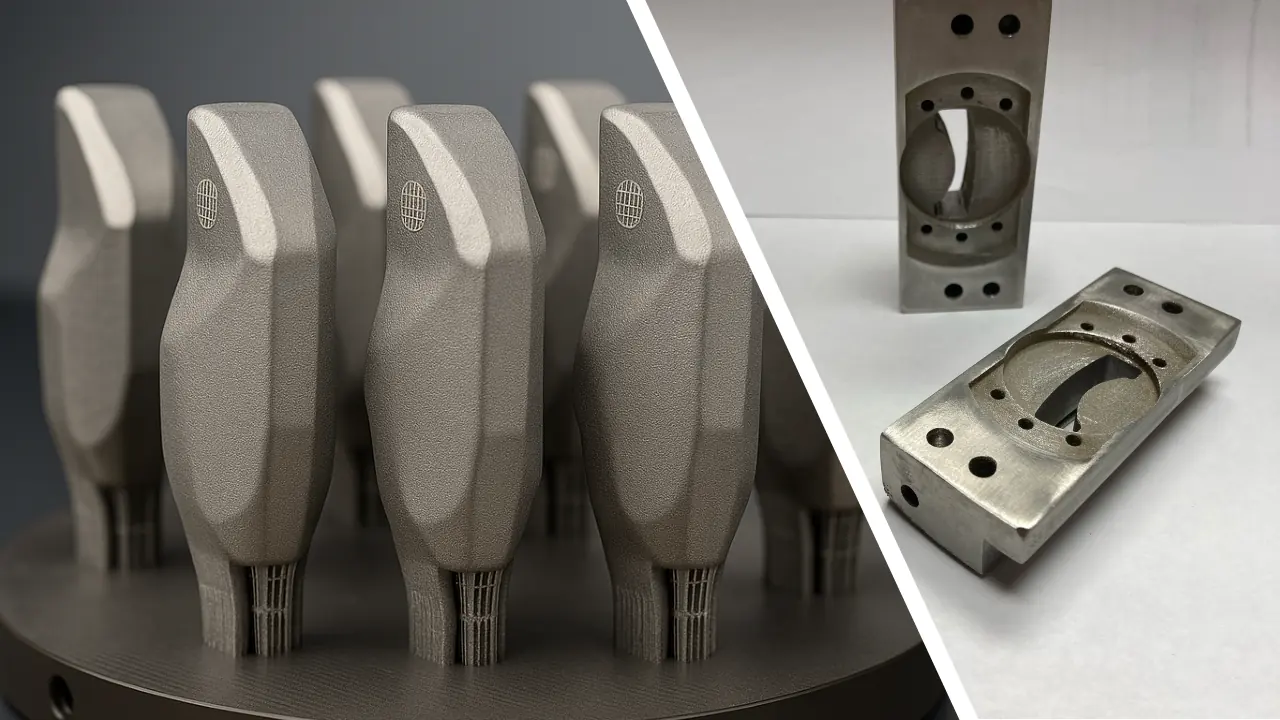
Powder-bed fusion visual for SLM comparison

Article

LMD vs SLM (PBF): A Practical Process-Selection Matrix for Industrial Metal Parts

LMD and SLM/LPBF solve different manufacturing problems. LMD is usually considered for local buildup, repair, laser cladding and large geometry; SLM/LPBF for compact parts with fine detail or internal channels.

Metal AM routeQualification
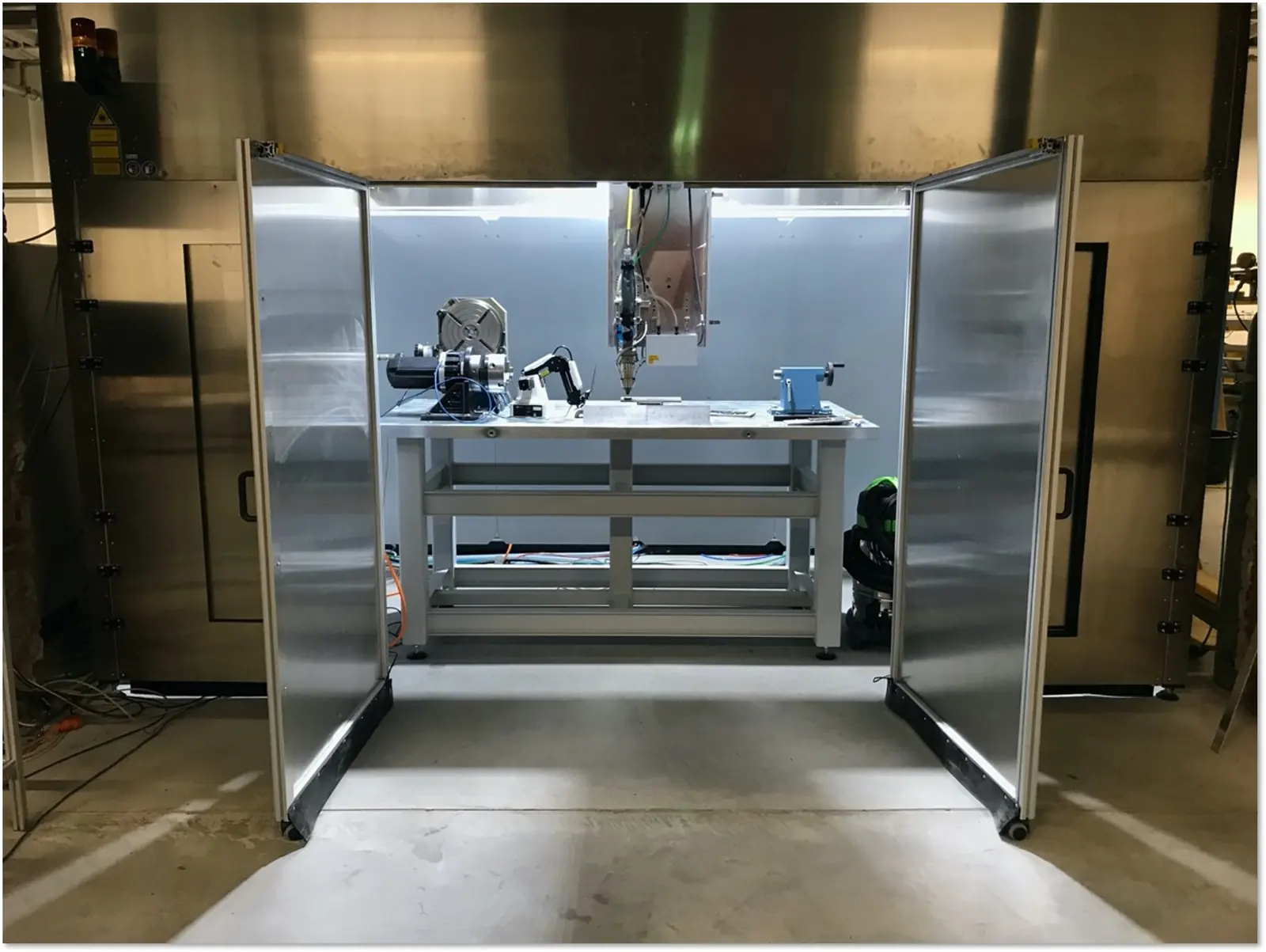
CNC-based LMD machine at Exafuse

Article

LMD for Large Metal Parts: Bead Width, Deposition Efficiency, and Productivity

Large-part LMD is not just a scaled-up version of a small coupon build. For large components, productivity and quality depend on the interaction between bead width, overlap strategy, heat management, machining allowance,...

Metal AM route
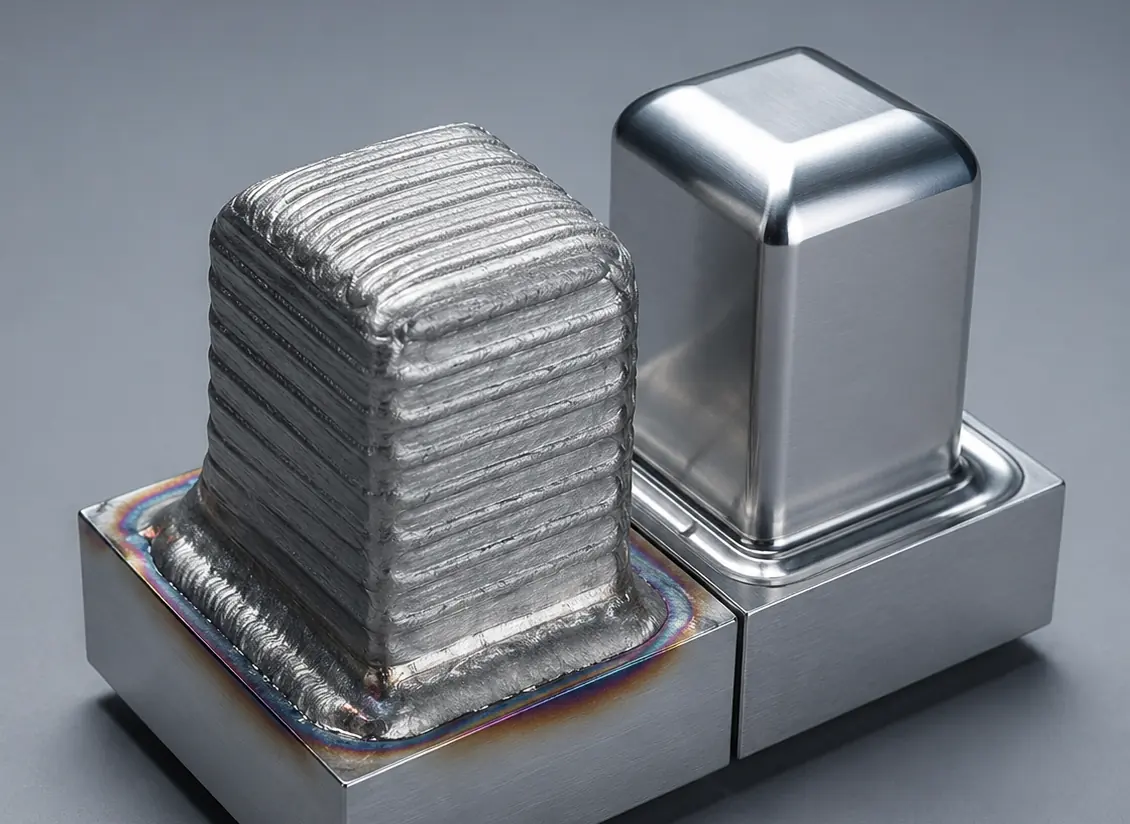
Finished component after LMD deposition and post-processing

Article

Hybrid Manufacturing: Combining LMD and CNC Machining to Hit Tolerances on Large Parts

Hybrid manufacturing with LMD and CNC is often the practical route for large industrial parts. LMD adds material where it creates value.

Metal AM routeDfAM and OEM
BreitbahnDED research process visual

Article

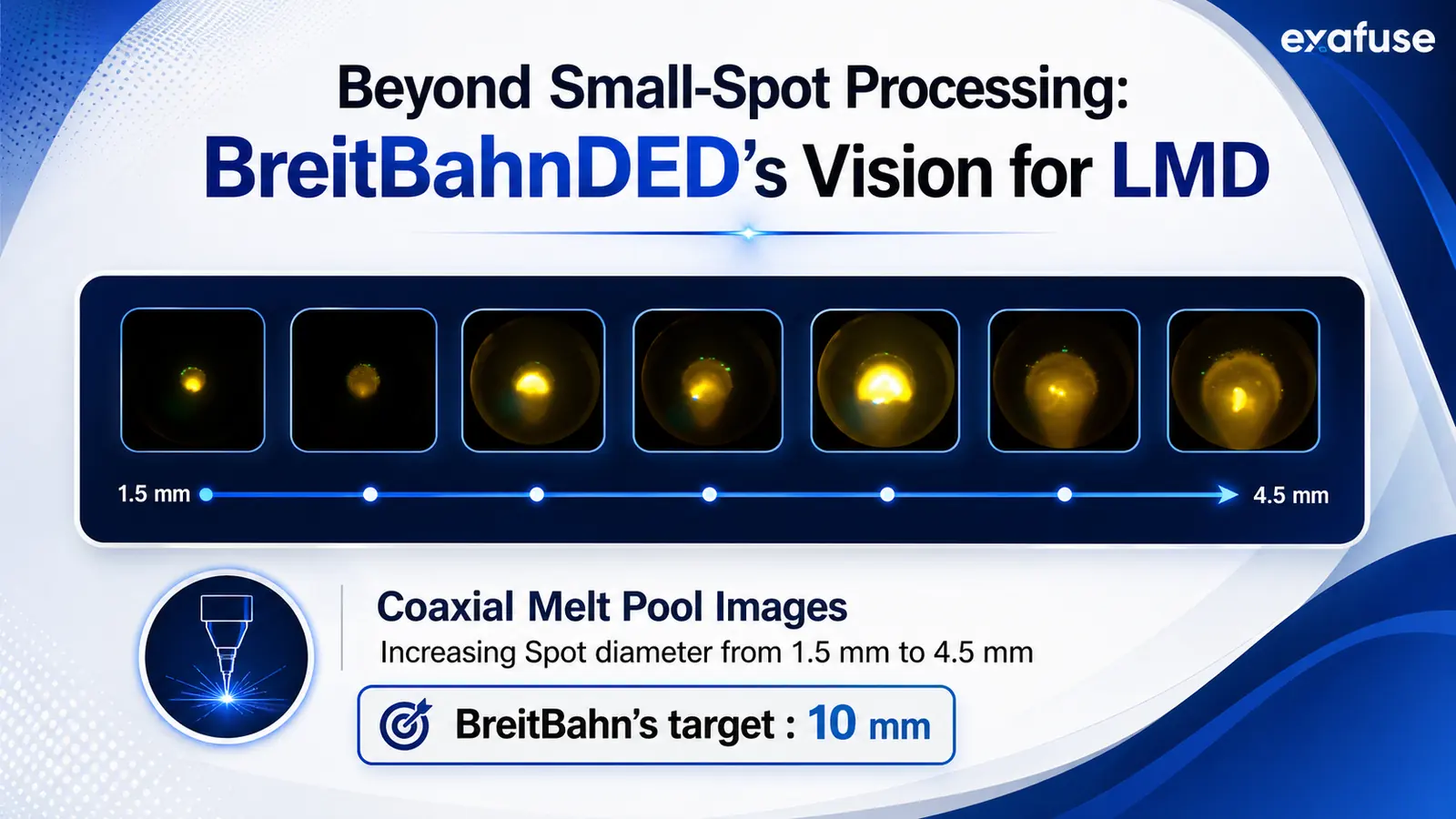
Research Spotlight: BreitBahnDED and Why Wider Beads Matter for Industrial Productivity

BreitBahnDED is a publicly funded research project for developing wider weld beads in Laser Metal Deposition, also known as DED-LB/M or Laserauftragschweissen. The industrial question is simple:

DfAM and OEMMetal AM route
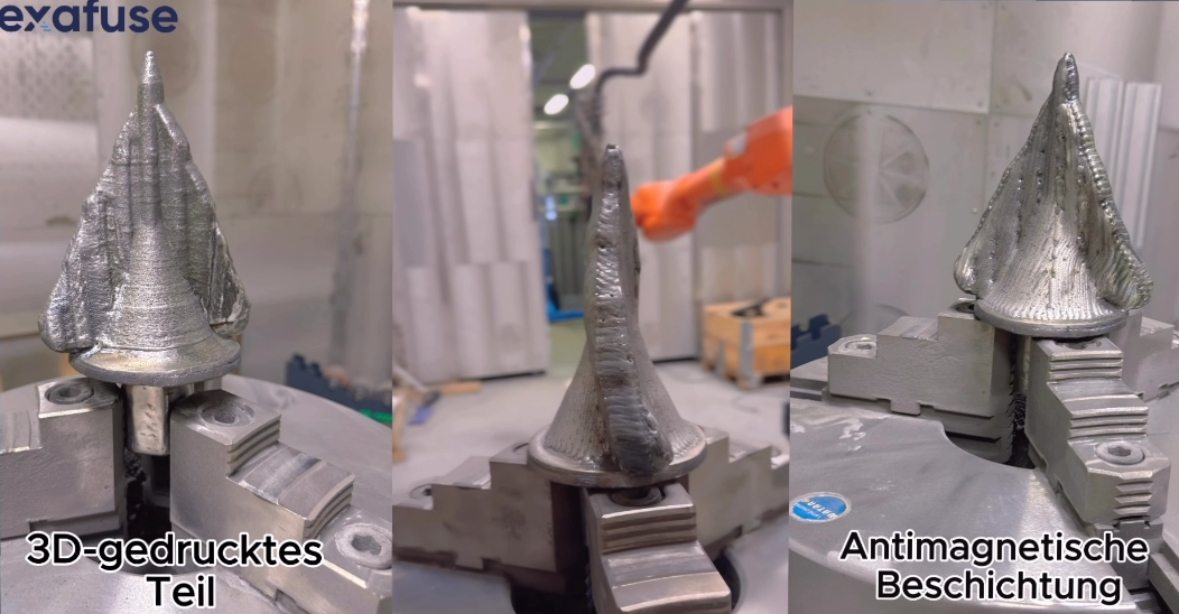
130 mm drill during Laser Metal Deposition build and coating workflow

Article

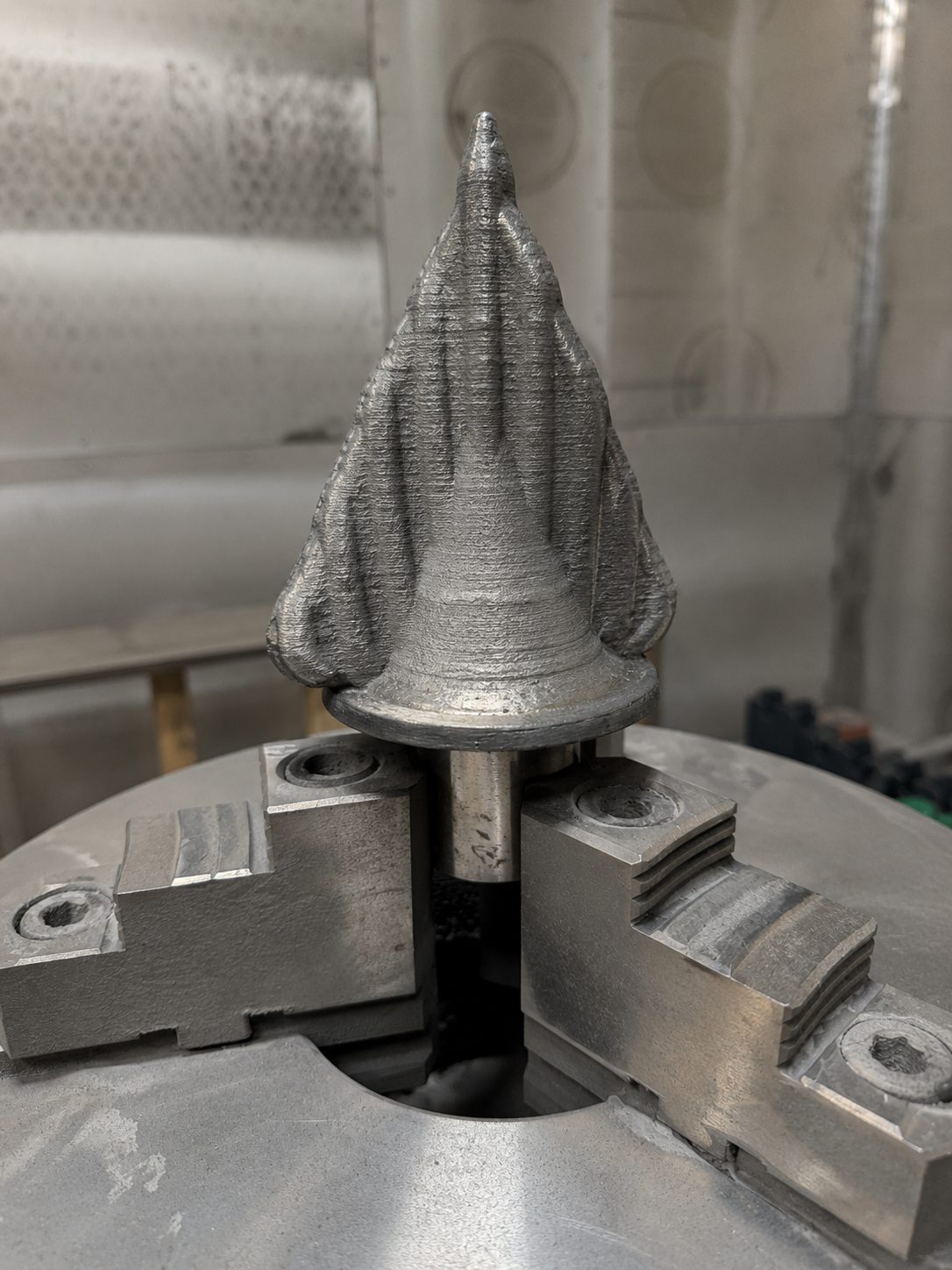
From Metal Powder to Functional Drill in 24 Hours: What Rapid LMD Prototyping Can Prove

Exafuse has publicly shown a rapid LMD project example: a functional drill, described publicly as a "Bombenbohrer," produced from metal powder with an antimagnetic coating in under 24 hours. The useful takeaway is not that every..

Wear and corrosionMetal AM routeQualification
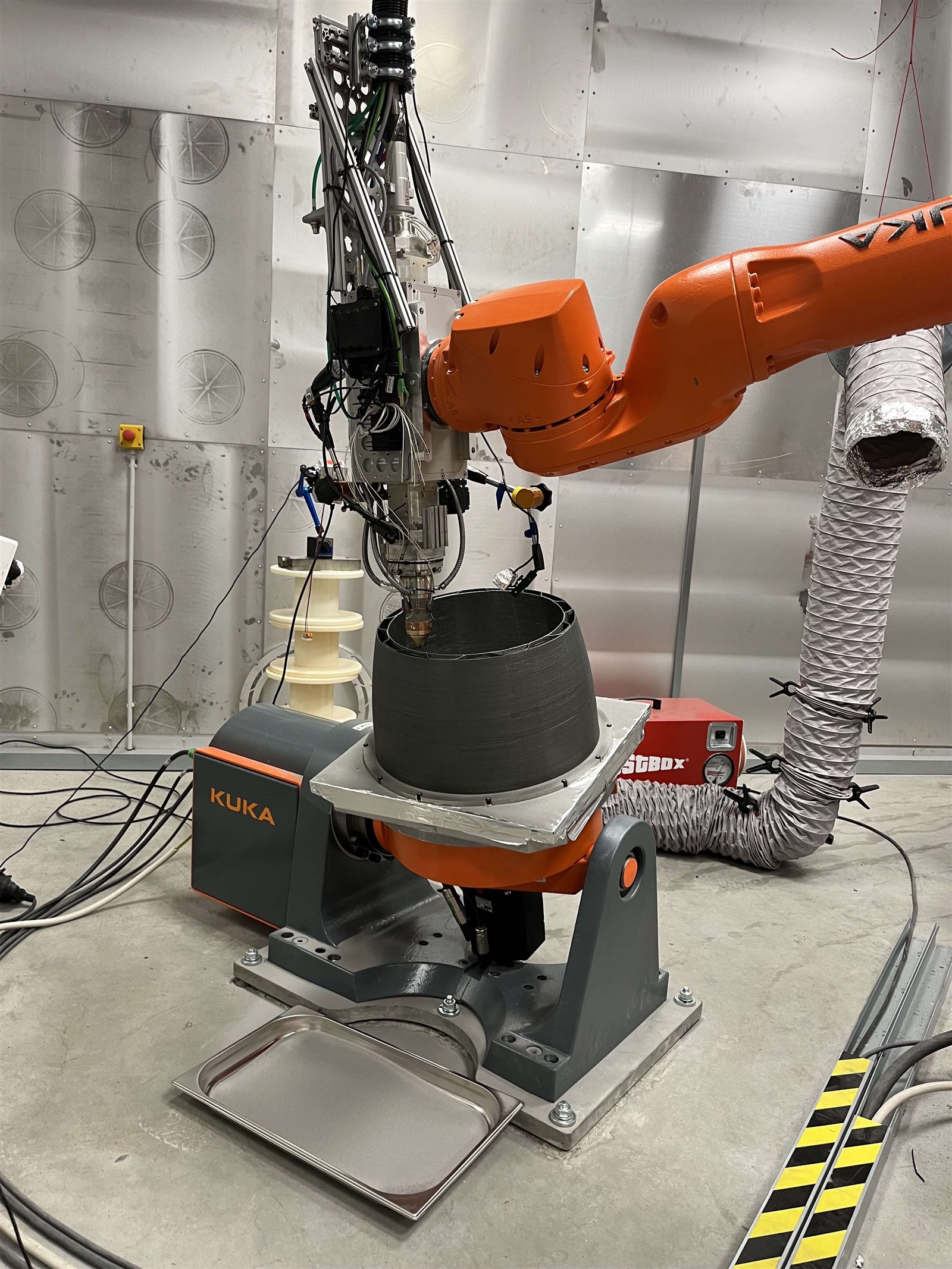
Robotic LMD setup for a 750 mm multi-material nozzle demonstrator

Article

750 mm Water-Cooled Nozzle by Multi-Material LMD: What Thin-Wall Nickel-Alloy Builds Prove

Exafuse has publicly shown a complex 750 mm water-cooled nozzle design manufactured by Laser Metal Deposition with two Ni-based alloys: Inconel 625 for the inner structure and Inconel 718 for the outer structure and cooling ribs.

Wear and corrosionMetal AM routeQualification
130 mm drill cover image for LMD build-and-coat workflow explanation

Article

How to Evaluate LMD Build-and-Coat Workflows: Geometry, Surface Function, and Validation

An LMD build-and-coat workflow is worth evaluating when a metal part needs both geometry creation and a functional surface layer. The route should be reviewed as one manufacturing chain:

Wear and corrosionMetal AM route
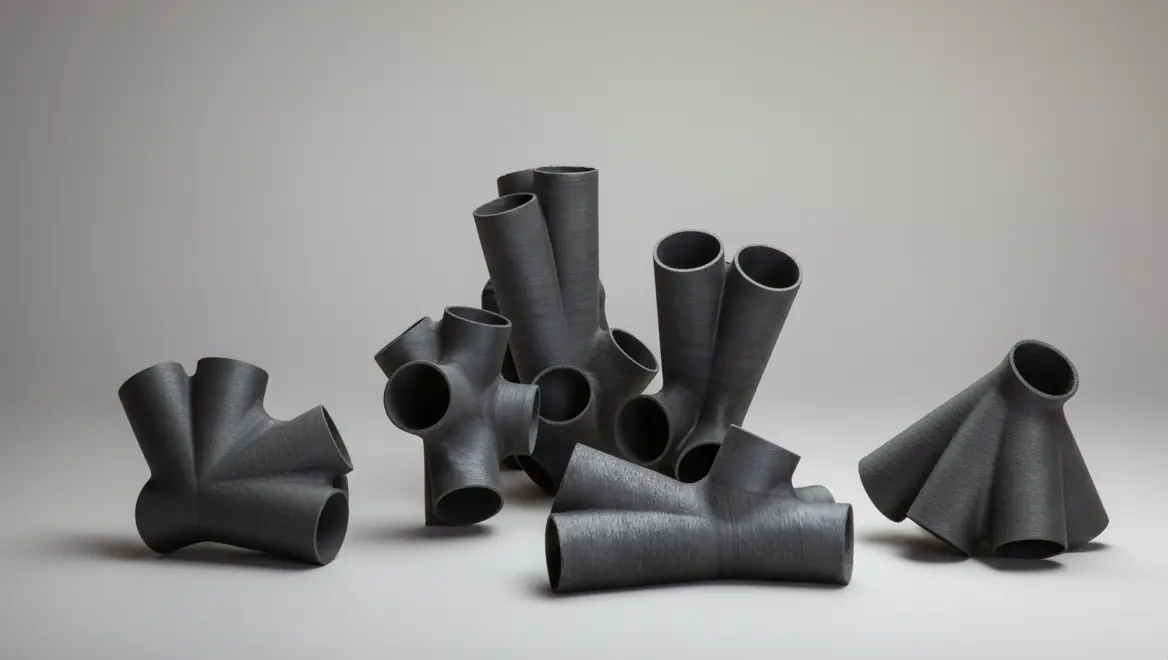
Large LMD-manufactured bridge node component

Article

Large Structural LMD for Bridge Components: Lessons from the Duisburg Bridge Project

The Duisburg bridge project documents large structural LMD in a public infrastructure context, including component scale, manufacturing effort and the limits of what the published data can establish.

Metal AM routeQualificationDfAM and OEM
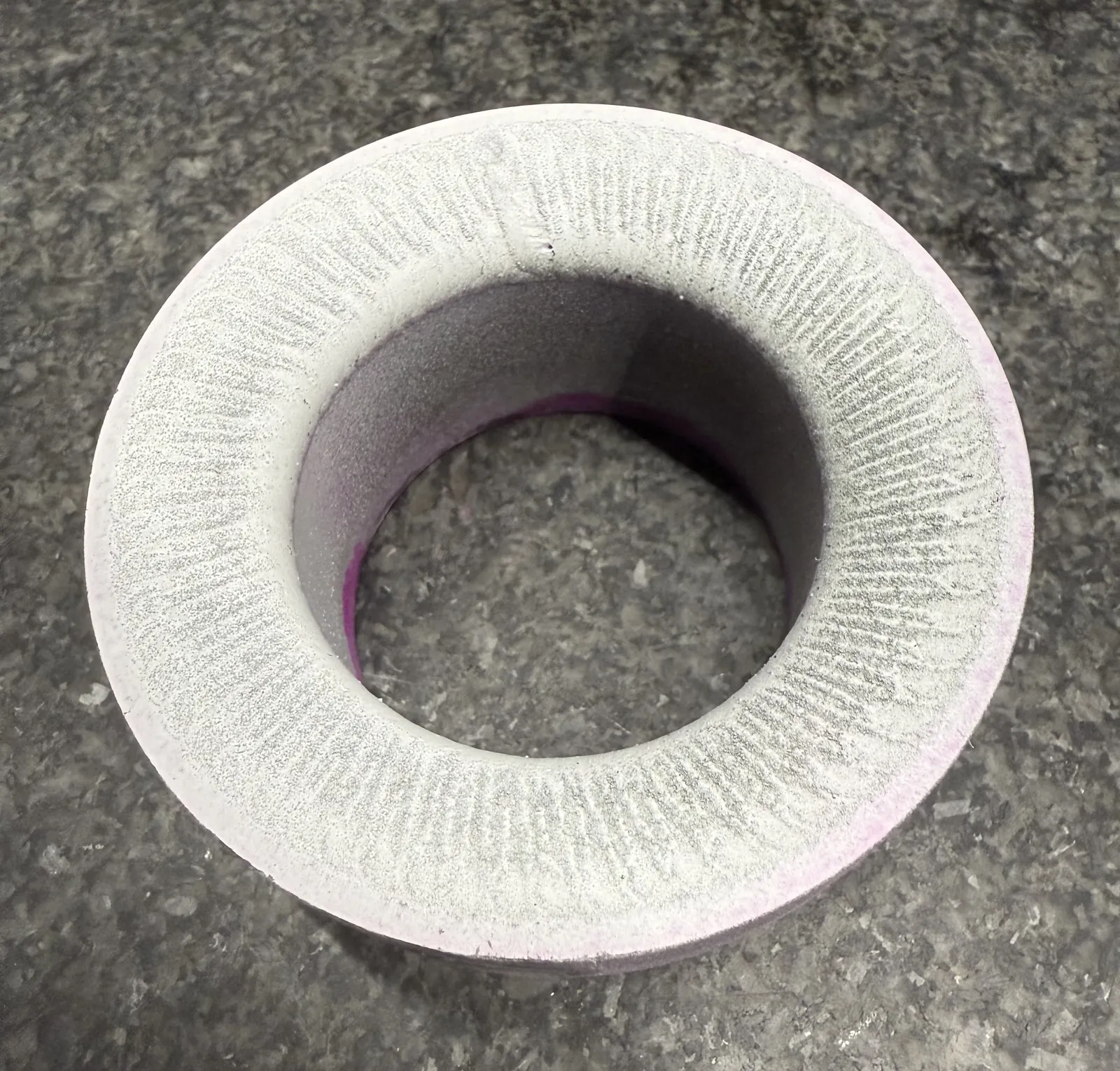
Valve seat ring after dye test with no visible cracks or pores in the photographed condition

Article

Crack-Risk Control for Wear-Resistant LMD Coatings on Ring Geometries

Wear-resistant LMD coatings on ring geometries need more than a powder selection. Geometry, preheating, layer strategy, powder-feed direction, travel-speed review and dye inspection shape whether a coating route is technically...

Wear and corrosionQualificationRFQ and buying
Laser Metal Deposition process adding metal to a component

Article

Laser Metal Deposition / DED-LB/M: Industrial Guide for Large Metal Parts, Repair, Cladding, and AI Process Monitoring

This is the central Exafuse hub for industrial buyers comparing Laser Metal Deposition, DED, DED-LB/M, laser cladding, repair, large-part manufacturing, validation and AI-assisted process monitoring.

Metal AM routeRepair vs replaceWear and corrosion

Related topics

Additional public pages that reinforce this direction.

Alongside the core articles, these pages help show how research, monitoring and process understanding connect to industrial application.

Talks and events

Public event profiles and speaker references.

Public event references on this page stay limited to material that is already released for publication, including the linked speaker profile and public event post below.

Case-study involvement

Published where monitoring, process selection and validation can be explained clearly.

Public case-study involvement is framed conservatively. The visible contribution is in monitoring context, process interpretation, route explanation, validation logic and technical storytelling where publication is already approved.

Links

Contact and personal profiles.

Further information is available through Exafuse, direct contact and the linked personal website.